

“For one thing, the whole house must be put in apple pie order; and for another, an elaborate supper must be prepared for the expected return of the travellers that night.”
— The Story Girl, L. M. Montgomery, Chapter XVII
This letter may contain affiliate links. As an Amazon Associate I earn from qualifying purchases, at no extra cost to you.
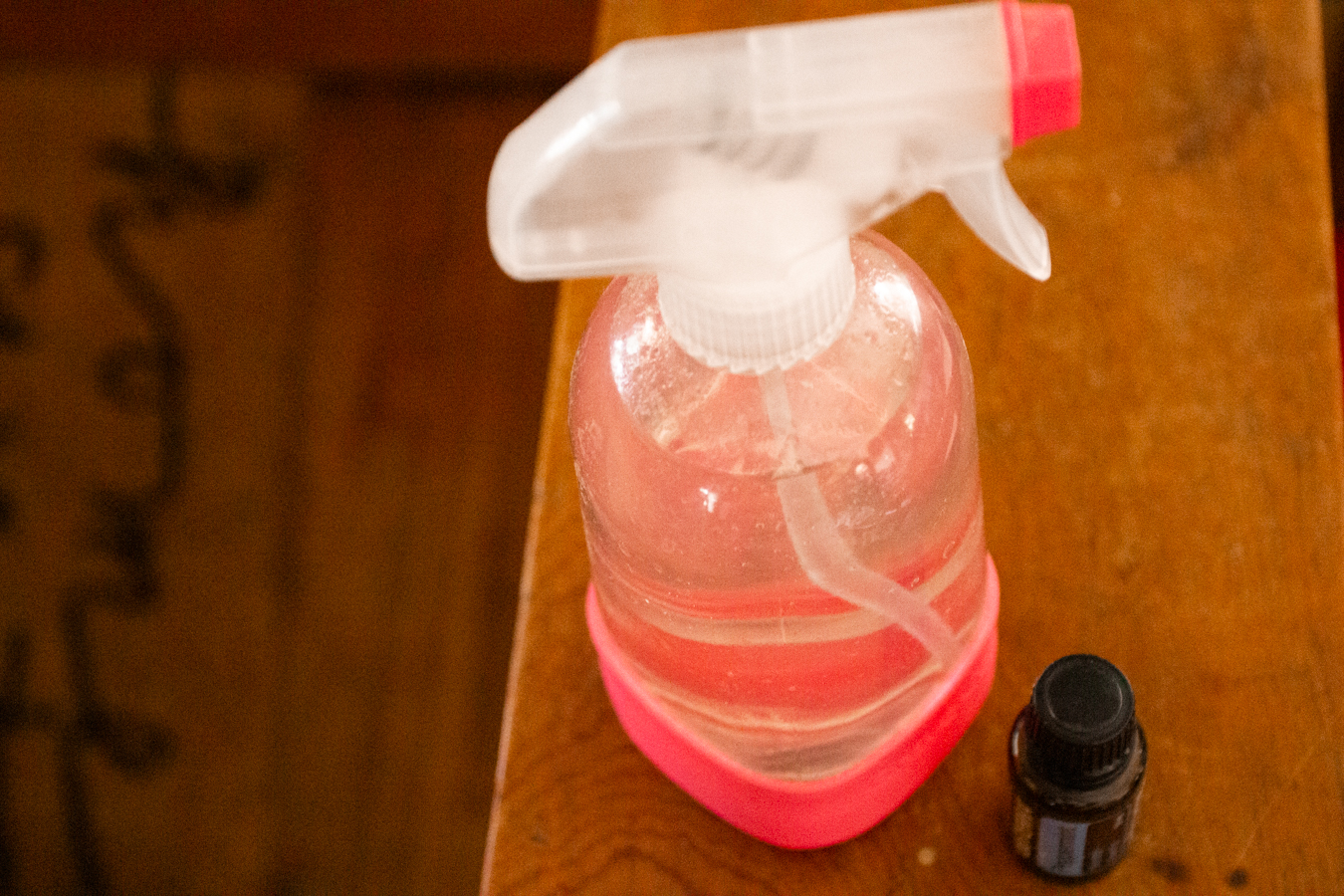
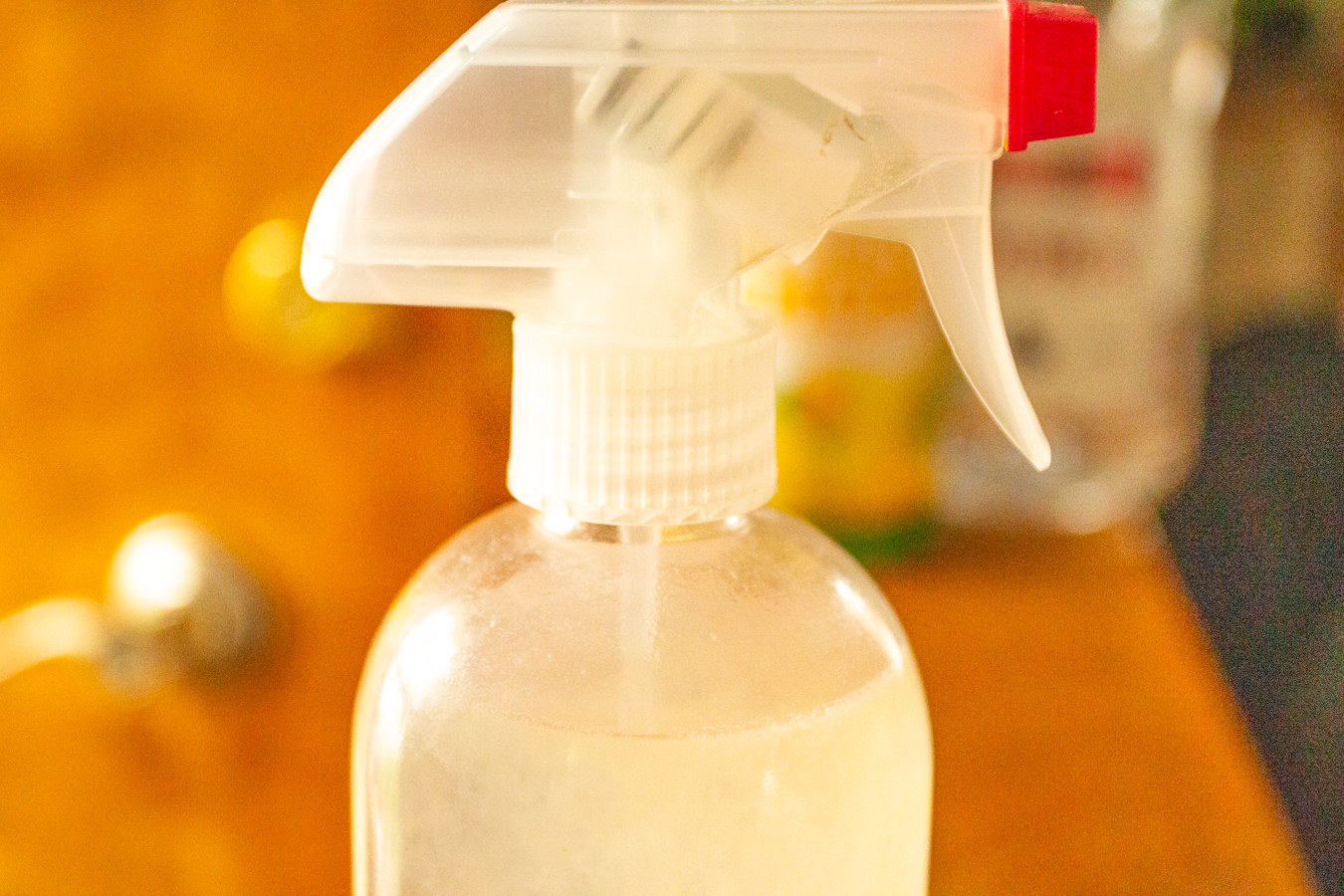
This fragrant, sweet smelling natural cleaner is powerful and effective. It will cut through fingerprints and grime from “doing life” with no problem at all.
Because vinegar contains acetic acid, it is a natural anti-mold agent and anti-fungal. This simple 3-ingredient mix is both cheaper and more potent than many store bought household cleaners. One batch costs about 50 cents to make.
When you have a busy schedule, it is easy to think that you don’t have time to mix your own natural cleaning products. However, it is extremely simple and only takes a few seconds.
Cleaners marketed as “green” are often overpriced for what you get. Sometimes, they are not all that natural, but only say that they are. There is definitely a “green tax” – anything green cleaners are marked up, even if there is a better solution that you can easily obtain elsewhere.
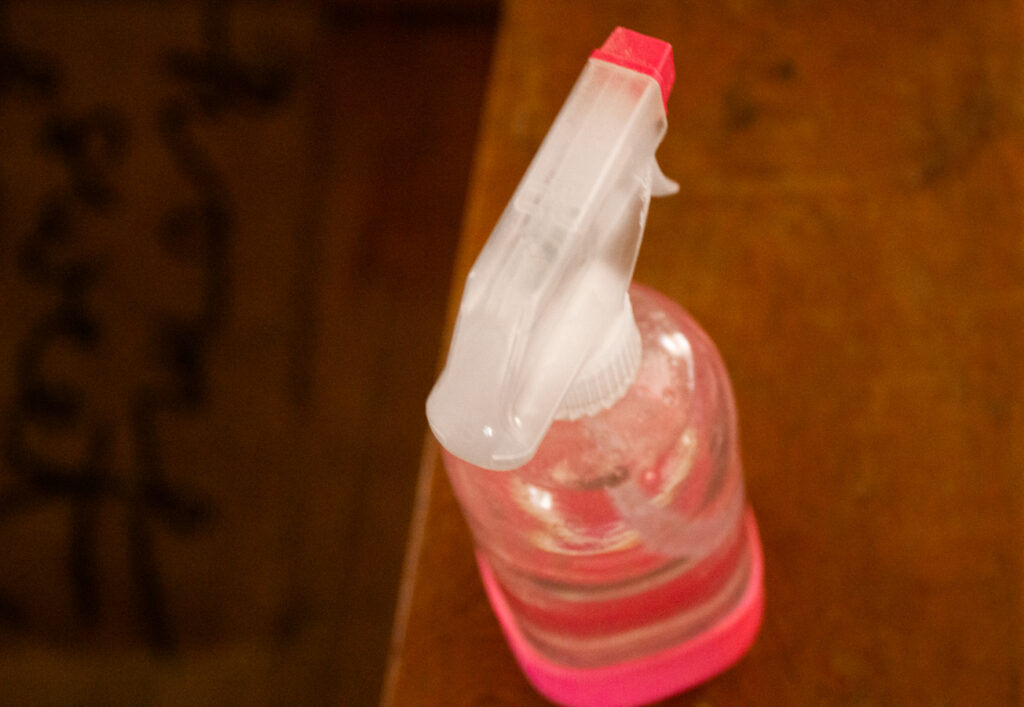
Making your own cleaners doesn’t have to be hard or time consuming. Fill a series of spray bottles, store on a shelf, and grab one when you are cleaning the house. You can even make a year’s supply at one time to prevent having to make it all the time.
I love the way these smell. You can use lavender or tea tree essential oils for an antibacterial option, or wild orange, lemon, or grapefruit for that classic clean fragrance.
A ridiculously easy afternoon project, you can shake it up in just a few seconds and save yourself a lot of hassle in dealing with the expense of buying harsh chemicals.
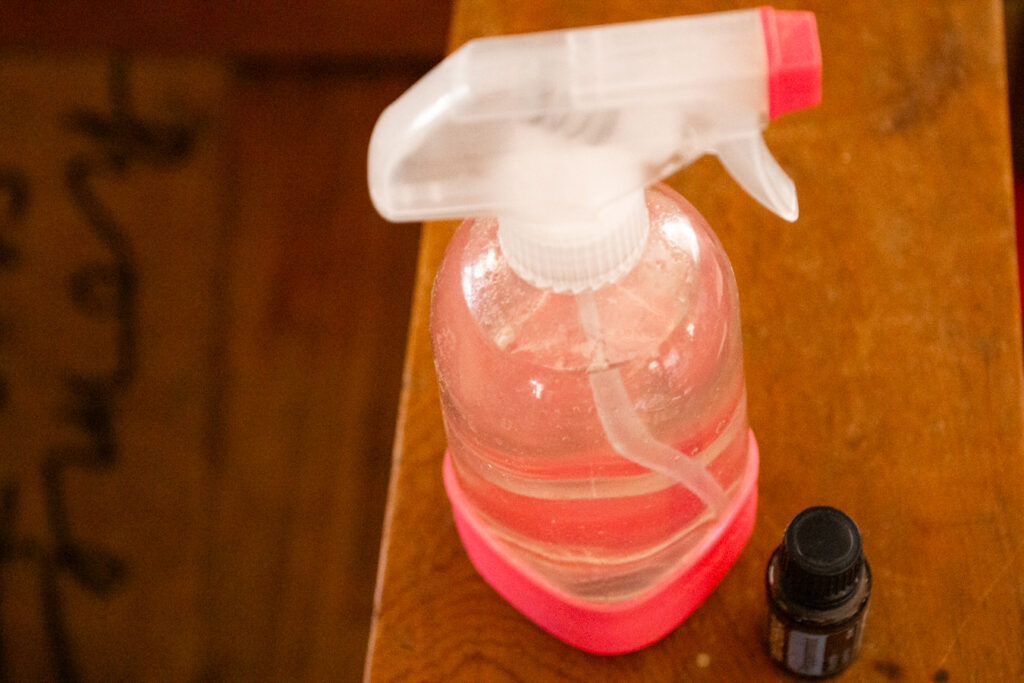
NATURAL CLEANER TIPS:
- If you’ve never made a cleaning product before, don’t overthink it – but also, don’t be too creative. The recipes are simple and straightforward, usually only requiring a couple of ingredients. However, there are certain chemicals that should never be mixed together, but can be used independently. Follow the instructions until you are comfortable with the ingredients that interact well with each other.
- Batch your efforts. You can easily make two bottles of natural cleaner in the amount of time it takes to make one. If you put the second one in your cleaning supply kit to grab later, you will save yourself some time later.
- Experiment with fragrances. You can infuse your vinegar with citrus peels, whole herbs, or even vanilla extract. Or, you can add essential oils of your choosing to make it fragrant. (However, some essential oils will change the antibacterial nature of the cleaner, so keep that in mind as you adjust the oils.)
- You have the ability to highly customize your cleaners for your mood or for the time of year. In the winter, you can fragrance your cleaners with pine, cinnamon, ginger, and spicy holiday scents. In the summer, you might choose citrus, lemon, or florals. It is up to you!
NATURAL CLEANER FAQ:
Do homemade cleaners really work?
Yes! Homemade cleaners can easily be made from common ingredients such as vinegar, baking soda, lemon juice, peroxide, citric acid, and essential oils. (Another highly effective but simple way to sterilize is by boiling water. When a small heat proof item such as glass or stainless steel needs to be sterilized, you can boil water and dip the item into the water with tongs for a few seconds to kill bacteria.) The harmful chemicals in standard cleaners often gradually strip away the beneficial bacteria that your body depends on in order to survive. Natural cleaners offer another solution: disinfecting and sterilizing while protecting your body from the harmful agents.
Is vinegar a good disinfectant?
Vinegar kills 85% of mold. Because it also contains acetic acid, it is also an antibacterial, antifungal agent to add to your cleaning routine. Because it will kill E Coli, it is a great cleaner to keep in the kitchen.
Why make your own household cleaners?
There are several reason to do it yourself. 1. You can control what natural ingredients you put in the cleaners, leaving out any toxic ingredients. 2. It is significantly cheaper than buying conventional cleaning products. 3. It is very easy to shake up a few bottles to keep on hand for the future. (When you are calculating the costs, factor in the cost of packaging and the cost of driving to pick up the item.)
What should I not clean with a vinegar based cleaner?
First and foremost, never mix vinegar with anything containing bleach. Second, straight vinegar is very harsh. It can damage rubber gaskets and cause erosion needlessly. Dilute your vinegar with water and oils before spraying on surfaces.
Does the concentration of vinegar matter when making a homemade cleaner?
Choose a White Vinegar or a vinegar that is 5% or so acidity and then dilute it with water. Many cleaning vinegars are much more potent, which is toxic if taken internally, and it also erodes many surfaces in your home.
NATURAL CLEANER INGREDIENTS
- 1/2 C. White Vinegar
- 1 C. Filtered Water
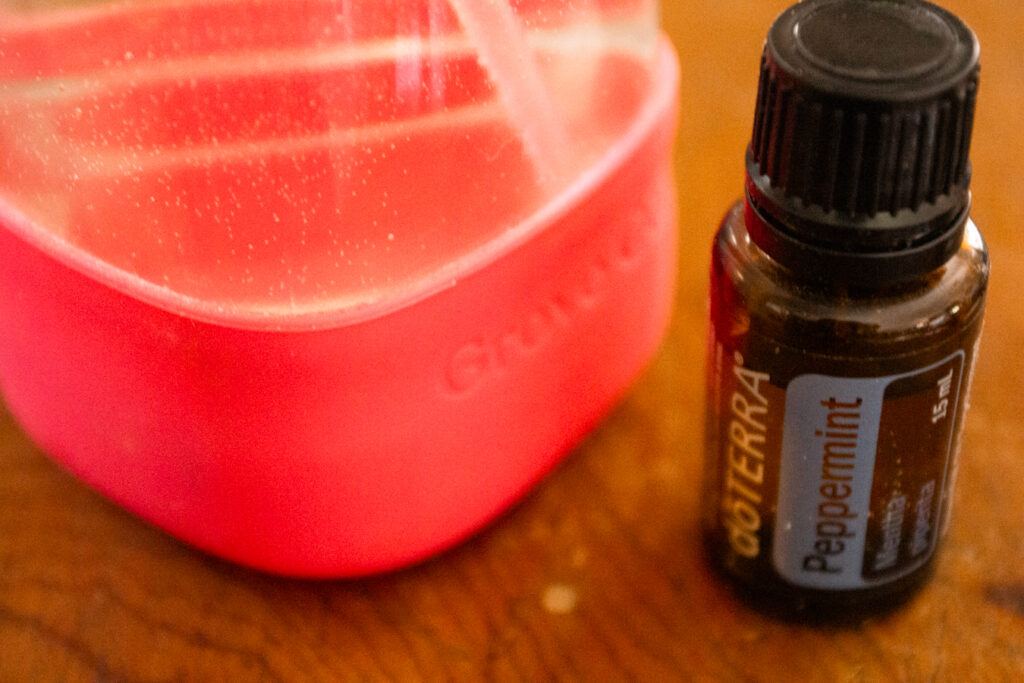
- 5 to 10 drops essential oils, such as lavender or tea tree.
NATURAL CLEANER TOOLS:
NATURAL CLEANER INSTRUCTIONS:
- Put the funnel into the neck of the spray bottle.
- Pour water and vinegar into the spray bottle through the funnel.
- Add 5-10 drops of essential oils
- Remove the funnel, insert the nozzle, and rotate to attach it to the spray bottle.
- Give it a little shake. You are done!
All Purpose Cleaning Spray
Equipment
- 1 Reusable Glass Spray Bottle
- 1 Small Funnel
Ingredients
- 1/2 C. White Vinegar
- 1 C. Filtered Water
- 5-10 drops Essential Oils, such as lavender or tea tree
Instructions
- Put the funnel into the neck of the spray bottle.
- Pour water and vinegar into the spray bottle through the funnel.
- Add 5-10 drops of essential oils.
- Remove the funnel, insert the nozzle, and rotate to attach it to the spray bottle.
- Give it a little shake. You are done!
Notes
HOW TO USE:
Spray on countertops, tables, and other hard surfaces to disinfect, kill mold, bacteria, and fungus.
YOU MAY ALSO ENJOY…
- How to Grow Green Beans & Peas – Looking to plant vegetables that are easy to grow? Try green beans and peas. If you are discouraged, you will need some quick wins. Green beans and peas are very simple: you direct sow them (no seed starting!) and they will produce heartily for you.
- Easy No-Fuss SushiSince all the ingredients are cold, the art is in the rolling technique rather than the cooking technique. After you cook your rice, there is no additional cooking required.
- Simple Oat Milk – Oat milk has a reputation of being overpriced, slimy, and overall just better to avoid. However, this recipe will make a decent option if you need to add a carb to your morning coffee.
- How to Grow a Perennial Herb Garden – If you are new to gardening and couldn’t quite master the art of tomato growing (yet!), give herb gardening a try. When I first began gardening, some things were a complete flop. The tomatoes never came up, the beans dried out, the broccoli got eaten by pests. It was an abysmal failure except for one thing: the herb garden.
- Homemade Butter – Delicious, creamy homemade butter is the pinnacle of home cooking. As Julia Child said, “with enough butter, anything is good.” Savory homemade butter is easy to make, easy to freeze for another day, and requires very few ingredients.

4 Comments