

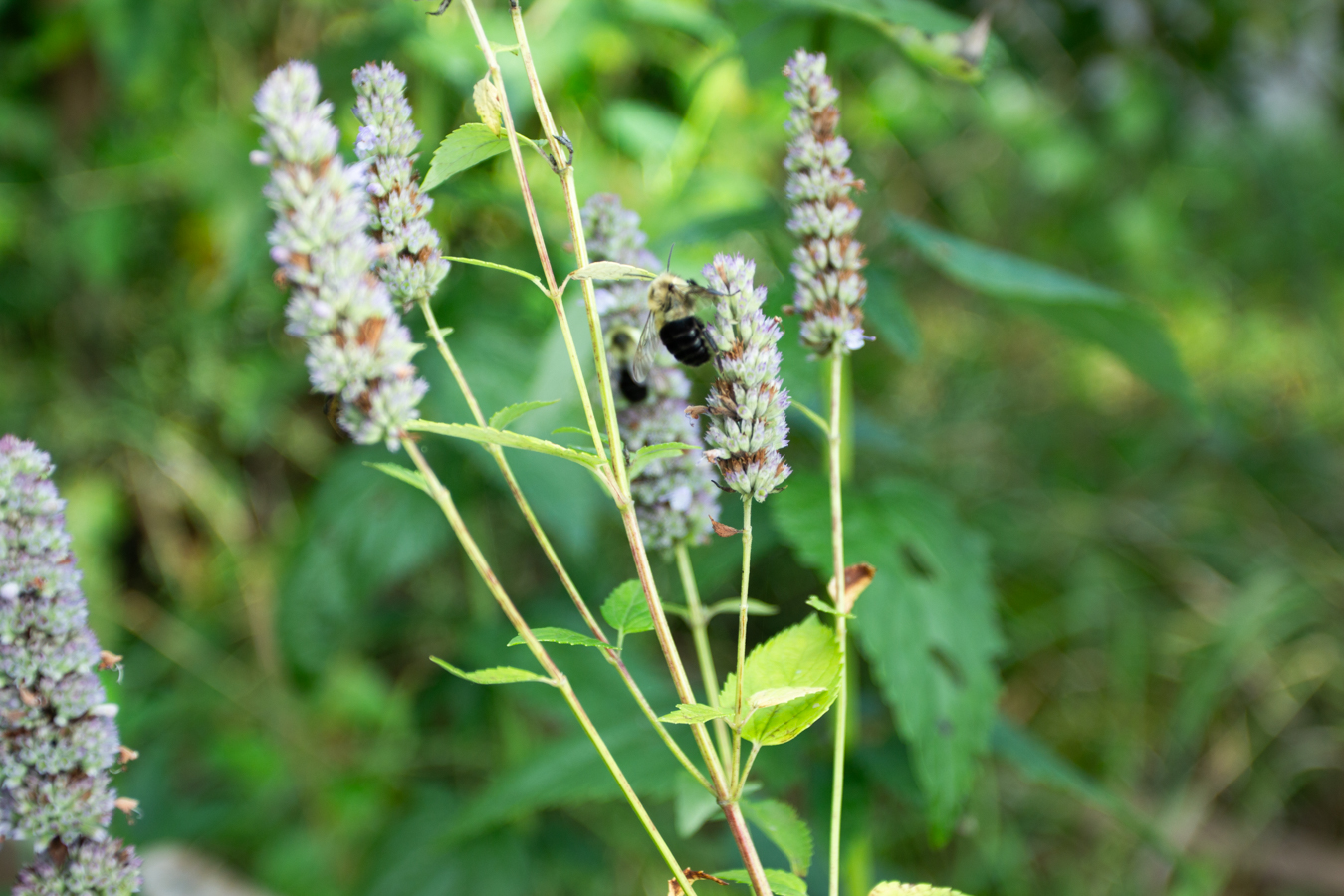
“Very busy was she in September cutting, drying, and tying up her sweet harvest, and writing down in a little book how the different herbs are to be used.”
— Little Men, Louisa May Alcott, Chapter XVIII
This letter may contain affiliate links. As an Amazon Associate I earn from qualifying purchases, at no extra cost to you.
If you are new to gardening and couldn’t quite master the art of tomato growing (yet!), give herb gardening a try.
When I first began gardening, some things were a complete flop. The tomatoes never came up, the beans dried out, the broccoli got eaten by pests. It was an abysmal failure except for one thing: the herb garden.
Perennial herbs are very forgiving. They will flourish in heat, lap up extra water, spread even when you didn’t want them to, happily co-exist with one another, and pop up again the next year without being asked. The leaves are easy to clip and dry to include as a seasoning in your cooking, or simply steep to make a fresh tea.
When you are on a journey of attempting to grow your own food and cook it from scratch, every little thing seems daunting. There are so many things to learn, and we are trying to absorb the knowledge of prior generations in mere months. Don’t worry about what you haven’t learned yet; just do the next right thing.
The next right thing, if you are trying to master gardening, could be an herb garden.
If anything is hard or time consuming, it is not the herb garden. It is easy as anything to clip fresh basil and thyme out of your garden to add to your dinner. They grow even if you ignore them.
If you want instant gratification, begin with starts. The seeds are often tiny, fragile, and begin on the surface rather than a quarter inch down. They are easy to grow from seed, but often, an established seedling will give you a little head start while you are waiting.
Many of my herbs began as miniature seedlings from a local garden center a decade ago, and they are still going strong in the raised garden beds. If I can do it, anyone can.
Ridiculously flavorful, savory, spicy, tangy, and sweet, these herbs will live in your garden happily and wait for your gardening skills to catch up to them.
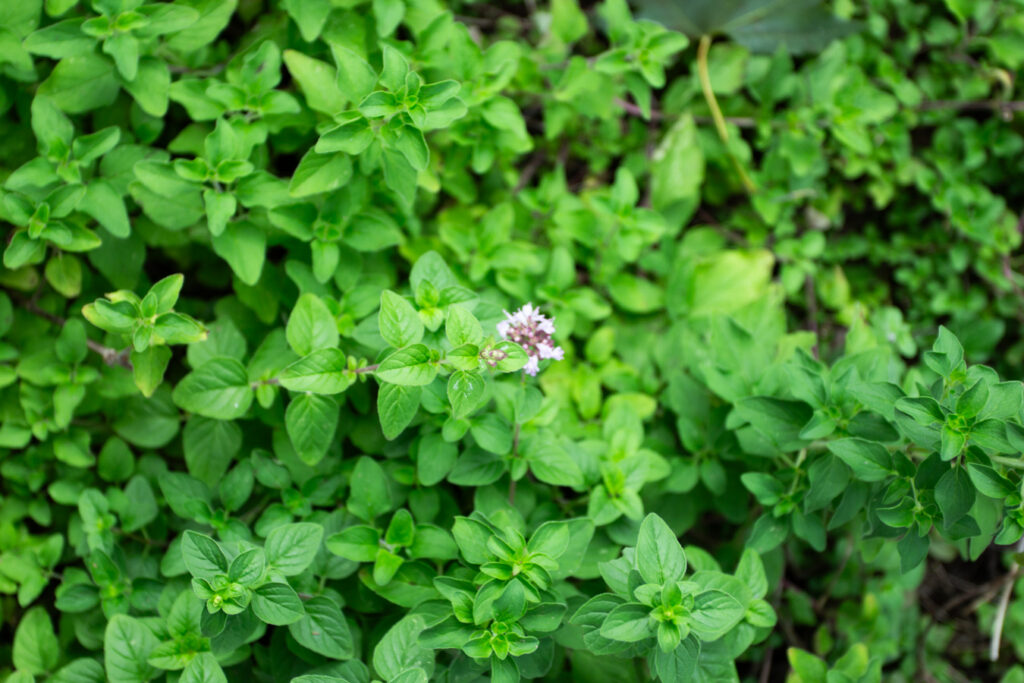
HERB GARDEN TIPS
- Don’t hesitate to prune. The edible shoots off of any herb come from new growth, not old growth. When you clip it back, it stimulates the plant to replace the stem that you clipped. Many times, it increases the yield!
- Unlike tomatoes, which have a complete life cycle in 3-4 months time and require tending through the growing season, herbs are more of a constant. They will die back in the cold winter and burst forth in the warm spring whether you ask them to or not. You can let them go crazy, or keep them neatly clipped (and yourself in plentiful supply of seasonings).
- Mint gets a bad rep for spreading like wildfire and popping up in places that you did not want mint to grow. However, there are many pronounced benefits to mint. It is a repellent to fleas and pests in your yard and acts as a natural form of pest control. (Also, if you grow mint, you will never have to buy herbal tea again. Just clip some mint and boil it in some water!) If it begins to grow along your fence line, sidewalk, or any place you did not want it, just weed whack and mow over it. It is worth having it there, even if you have to trim it back.
- You can grow herbs in small spaces. Whether it is in a container, on a back porch, or a kitchen windowsill, they will grow just fine in tight spaces. Many edible plants are large and require space to put their roots down, but herbs will flourish in a little container.
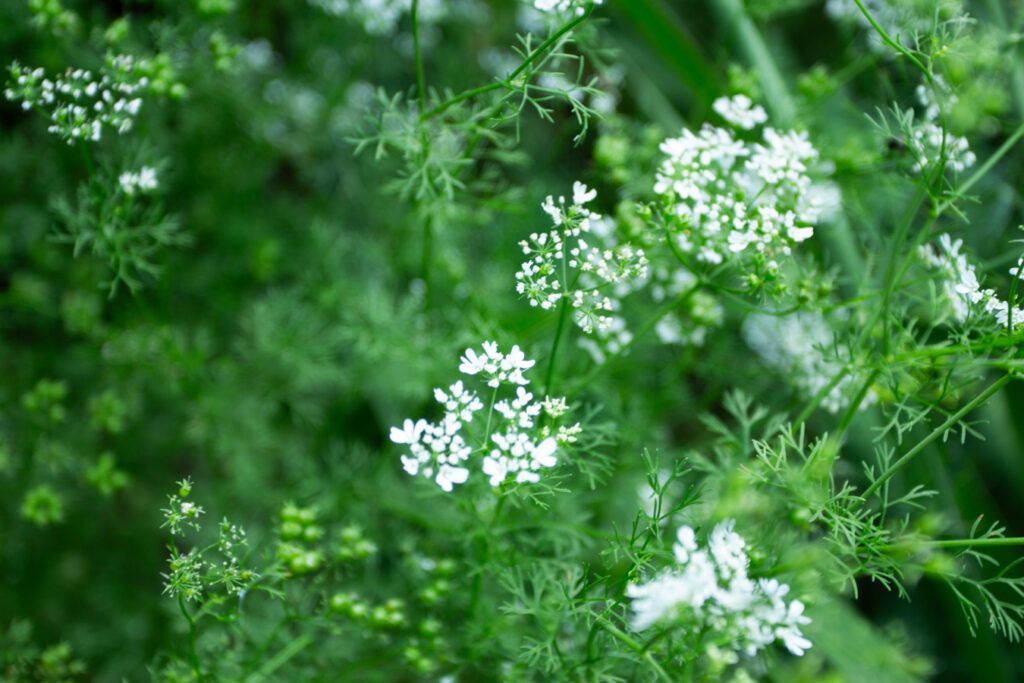
8 STEPS TO GROWING A PERENNIAL HERB GARDEN:
- Select your space. It should be sunny with soil that drains well.
- If you are using a no-till garden method, put your raised beds in. If not, you will need to dig up sod with a shovel and till the ground like a conventional garden.
- Cover your planting area with mulch and compost. You can buy organic compost at a garden center. I personally select mulch that has not been dyed to keep everything around my plants as organic as possible. You will need to add mulch and compost in the spring and fall to keep the soil balanced.
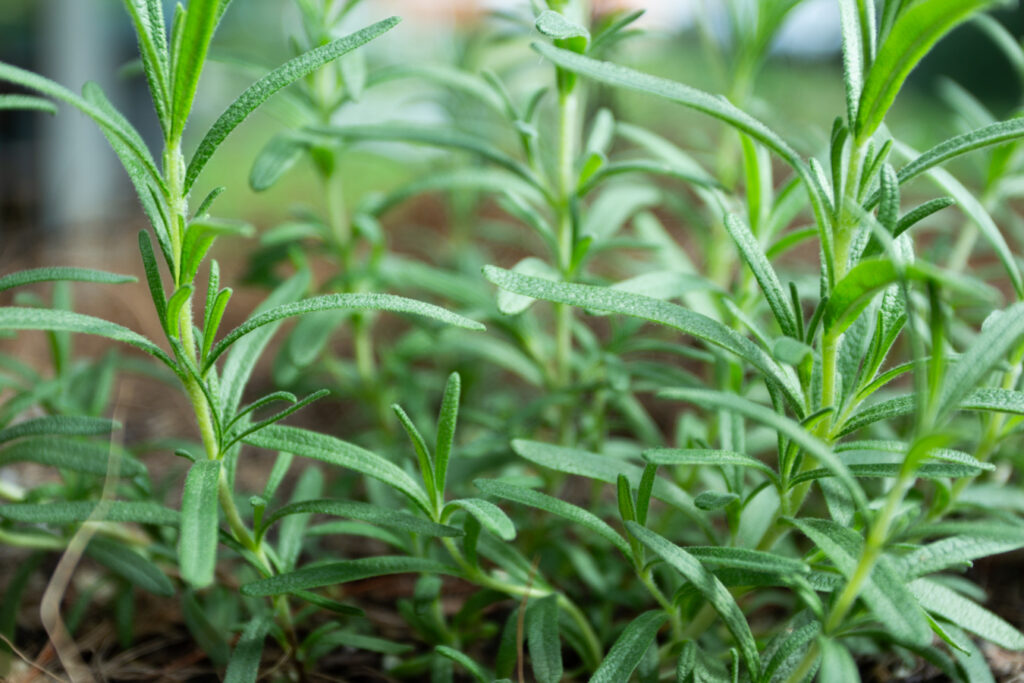
- Select plants at a garden center. Try to get a variety of herbs, such as dill, parsley, cilantro, lavender, chamomile, basil, mint, rosemary, organo, thyme, and sage. You can also add edible flowers into the mix such as marigold and calendula.
- Dig a small hole for each plant with a handheld spade.
- When you remove the plants from the pots, the roots may be wound around the base like a coil. This is called root binding. If you plant it that way, there is a chance that the roots will not spread out underneath the soil. Many gardeners will lightly slice through the bottom roots to make sure they spread out to deliver nutrients to your herbs and flowers.
- Add the plants to the holes and lightly cover the base with remaining soil.
- Water your herbs regularly. Watch for signs of yellowing (over-watering) or browning (under-watering). For the most part, herbs are fairly self sufficient and will take care of themselves, so it will not require a ton of time.
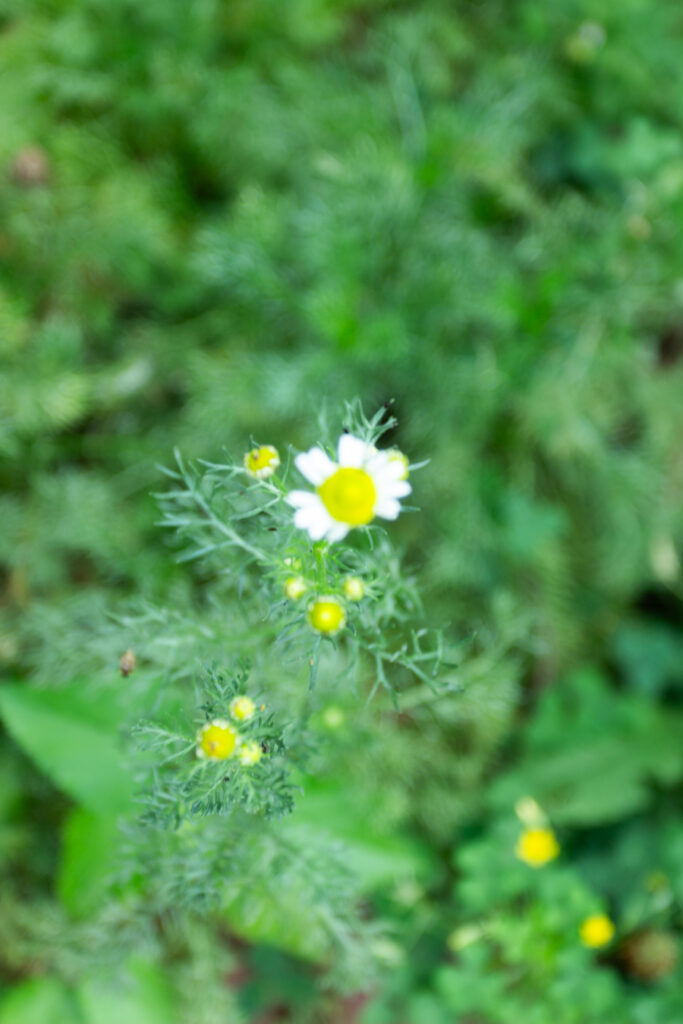
HERB GARDEN FAQ:
What herbs are perennials?
The majority of herbs are perennials: mint, thyme, rosemary, marjoram, fennel, lemon balm, chamomile, and many others. Several, including basil, are annual herbs, so you have to plant it every year. Rosemary is a “tender perennial,” meaning that it cannot survive harsh winters. However, in warm climates, rosemary can grow year-round like a perennial.
What is a woody herb?
Rosemary, lavender, sage, thyme and tarragon are woody herbs, meaning that they will grow a thick woodlike stem when they are not pruned back.
How long will an herb plant live?
The same plant will live through several seasons. However, a healthy herb plant will multiply before it dies back. It will replace itself with multiple offspring before it dies, giving the appearance of living many years.
Should I let my herb plants flower?
It depends on the reasons you are growing the herbs. Plants flower at the end of their lifecycle, so it is a signal that it is about to die. However, flowering is also the way that plants scatter their seeds for new growth. If you want to collect and save the seeds, you should let it flower. If you do not want to collect the seeds, keep it trimmed to send the energy down to its roots.
Where should I plant my herb garden?
Choose a place with well drained soil and full sun.
Can I grow an herb garden in a container?
Yes, herbs grow very well in container gardens. Plant indoors or out. Just make sure it gets enough sunlight! Use a grow light if your container is in low light.
What soil quality does a herb garden need?
Just mulch and add compost to your soil, much like growing other plants. Herbs should be in balanced soil, not too sandy or too full of clay. Add mulch and organic compost to add high quality nutrients to your soil.
What is a culinary herb?
The main culinary herbs are used commonly in cooking because they add so much zest and flavor to food. (Even ordinary Friday night pizza has a sprinkle of dried oregano in the sauce!) Some of the culinary herbs include: basil, thyme, oregano, chives, cilantro, parsley, sage, and rosemary. Italian cuisine is especially known for its use of oregano and other herbs.
Can I over-fertilize my herbs?
It is possible to add too much fertilizer to plants. If your fertilizer is mulch, compost, or organic matter, take care to not smother the plant. Otherwise, you can’t really mulch it too much, especially if you have poor soil. However, if you are using a chemical fertilizer, wait and let the plant tell you what it needs. Over fertilizing can lead to a beautiful, leafy plant that produces no fruit. Watch it to see if the soil is draining, if the leaves are limp and yellow or developing crispy brown edges. It could develop spots or holes, too. Fertilize when the plant shows these signs of distress.
What is the easiest herb to grow?
Without a doubt, the easiest herb to grow is mint. However, it has invasive tendencies and would love to take over your entire yard. It has tremendous health benefits and also tastes delicious as a tea.
What can I do with herbs besides use them as a seasoning in food?
Many herbs, even non conventional ones such as parsley, make a delicious tea when boiled in water. You can make many herbal remedies, tinctures, and poultices for a home apothecary out of herbs. Also, you can infuse vinegar with herbs or make a herb butter. Herbs are also usually very aromatic as well, and they often make a lovely fragrance for a homemade soap.
Do herbs grow well with flowers?
Sometimes, there is a fine line between edible flowers and herbs. (Especially if it is a flowering herb!) Many of them grow very well together, and they make delicious additives to food, tea, and DIY household products and personal care items. Fragrant herbs such as bee balm, chamomile, and lavender grow very well with zinnias, echinacea, black eyed susan, and other types of flowers.
What time of year should I plant an herb garden?
Ideally, early spring is the time to plant an herb garden from seed. However, if you begin with full plants, you can plant through the summer up to 60-90 days before the first frost. The herbs will need to get their root systems established in the soil before it freezes.
When should I prune perennial herbs?
Trim herbs in early fall so the open ends are not shocked when it freezes. You can also prune them in the spring, after the soil has warmed up a little.
Do I need to winterize an herb garden?
Winterizing an herb garden is different than winterizing a vegetable garden. In a vegetable garden, all of the plants are gone by the time the first frost occurs, so you can add layers and layers of mulch, straw, and compost to cover the soil. In an herb garden, you do not want to bury the plants too deep. Gently add mulch and compost around the plants in the fall, covering the surface of the entire raised bed around the herbs. They will die back in the winter and spring forth again when the weather warms up.
When should I harvest herbs?
You can harvest herbs any time through the growing season. It is easy and delightful to clip a handful of oregano to use fresh in your dinner as you are cooking it. Many herbs are considered “cut and come again,” meaning you can just clip off the part you want to use while leaving the rest of the plant in place. However, herbs that are outdoors should be left alone a month before the first frost.
What herbs repel insects?
Many herbs are natural pest repellents. Mint, thyme, catnip, basil, garlic, lavender, rosemary, and lemon balm all have pest repelling effects. If you include these in your landscaping, it will help to keep fleas and other bugs at bay.
Will my herb garden survive the winter?
Tender perennials, such as rosemary and basil, will die after the first frost. In warmer climates, they may grow longer. However, many herbs, including mint, thyme, sage, and lavender, are frost hardy and will come back in the spring.
Can I grow herbs indoors in the winter?
If your plants get at least 6 hours of sunlight and are out of the way of wintery drafts, they can survive indoors. On a windowsill, they may be too close to the cold window to grow well, but it is possible to grow herbs there if the overall ambient temperature is warm. You may need to use a grow light in order to provide them with light and warmth indoors at the same time.
TOOLS:
- Handheld garden tool set
- Watering can – I have two that are similar to this.
- Kneeler (mine is similar to this one, and it is so helpful – for back and leg support, and to keep little bits of mulch and gravel from getting embedded into your skin.
- Handheld clippers
- Seeds or starts (I get mine from Johnny’s or Baker Creek Heirloom seeds – unsponsored)
- Cotton produce bag
- Square foot raised beds (most of mine came from FB marketplace, but I also have a set of these.)
- Planters
- Epsom salt
- Salt spreader
- Garden hose
- soil blocker
RESOURCES:
- The Family Garden Plan and the Family Garden Planner by Melissa K. Norris
- Welcome to the Farm by Shaye Elliott
- Seed to Seed by Suzanne Ashworth
- Storey’s Basic Country Skills by John Storey
- The New Complete Book of Self Sufficiency by John Seymour
- Old Fashioned on Purpose by Jill Winger
- The Homesteader’s Herbal Companion by Amy K. Fewell
YOU MAY ALSO ENJOY…
- All Natural Homemade Play Dough – This is an easy, all natural, non-toxic way to keep your littles occupied while you make dinner or take care of the house. It is completely edible and guilt-free to toss in the compost when it begins to dry out.
- How to Grow Green Beans & Peas – Looking to plant vegetables that are easy to grow? Try green beans and peas. If you are discouraged, you will need some quick wins. Green beans and peas are very simple: you direct sow them (no seed starting!) and they will produce heartily for you.
- Hearty Beef Hand Pies – This recipe takes a standard beef filling that can be used for soup, stew, shepherd’s pie, or another delicious comfort meal and converts it to an easy-to-hold savory hand pie with a flavorful crust.
- Easy No-Fuss SushiSince all the ingredients are cold, the art is in the rolling technique rather than the cooking technique. After you cook your rice, there is no additional cooking required.
- Simple Oat Milk – Oat milk has a reputation of being overpriced, slimy, and overall just better to avoid. However, this recipe will make a decent option if you need to add a carb to your morning coffee.

One Comment