

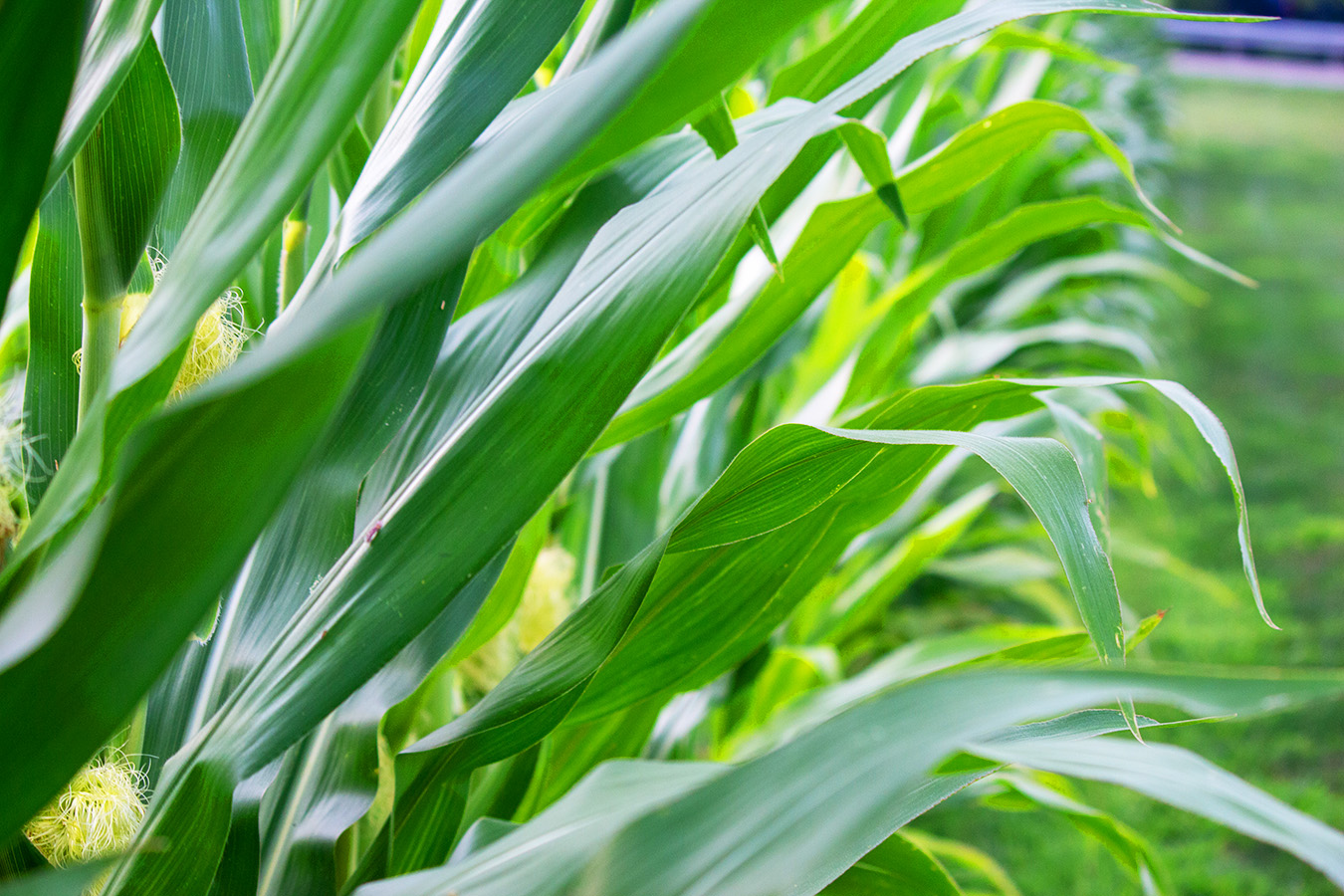
“We each have our own patch, and raise what we like in it, only have to choose different things, and can’t change till the crop is in, and we must keep it in order all summer.”
— Little Men, Louisa May Alcott, Chapter III
This letter may contain affiliate links. As an Amazon Associate I earn from qualifying purchases, at no extra cost to you.
I wish I had a penny for every time I’ve asked “what is wrong with my garden.” Why won’t my garden grow? Unfortunately, experience is the best teacher. I’ve learned so much, and I still have yet to conquer the ever present squash vine borer. If you keep going, your garden will come around. Join me today as we troubleshoot things that can go wrong in the garden and learn from them.
The first rudimentary rules of gardening — choose a sunny spot, fertilize your soil, plant well rooted seedlings, and water daily — are the bare bones. There are a lot of things to learn as you go. What if you encounter pests, blight, invasive weeds? What is the best way to handle all of these things? The good news is, you can jump in wherever you are and begin your journey there. The worst thing that can happen is nothing.
HARDINESS ZONES
First and foremost, learn your growing season. In the US, the growing season is divided into 13 Hardiness zones. These zones will tell you what the first and last frost dates are. This determines how long your growing season is. For example, Zones 9a and 9b cover a strip of the southern US, stretching from Arizona to Florida, where they rarely receive any frost, so they have a long growing season. (However, they may experience the opposite effect of plants dying because it is too hot.) Zone 1a through 2b are in Alaska, where they have a much shorter growing season. You get the idea – some plants love the chilly weather, and others are hardier for dry climates or sandy soil.
The back of your seed packet may say something like, “recommended for zones 3 through 8,” or something to that effect. If a seed packet is not recommended for your zone, it may be best to grow it indoors or in a greenhouse. (You can also use row covers to protect your plants from fluctuating temperature and precipitation.)
Zones 3-9 have very little growing during the winter months because of the cold climate. However, you can keep things going with row covers, greenhouses, or a sunroom, if you can regulate the temperature. Many people also grow things that don’t normally grow outside their zone, such as Meyer lemons or avocados. Experiment and see what produces new growth!
In my Zone (Hardiness Zone 6), my goal is to have my seedlings begun by Valentine’s Day (in the basement with grow lights) and to have everything in the ground by Mother’s Day. Valentine’s Day feels like it is too early, but I just call it pre-gaming. Early spring comes so fast, Valentine’s Day almost feels too late sometimes. However, I do a second planting around Labor Day in order to get a fall crop of cool vegetables, such as brussels sprouts and cabbage.
DO I HAVE THE RIGHT TYPE OF SOIL FOR GARDENING?
You can have your land tested for clay soil or sandy soil. If you have poor soil, you may want to do some soil amendments to create fertile, loamy soil. Clay soil makes for very poor drainage. Good old fashioned compost with organic material is a great soil amendment, but you can also bring bags of good soil in for raised garden beds. Many people do the “Back to Eden” or “Lasagna gardening,” where they add layers upon layers of mulch until it begins to break down. Mulch retains soil moisture and provides a lot of nutrients when it decomposes, but it also is very easy to weed. Other natural fertilizers can include epsom salts and bone meal, but be careful with anything you add to your soil to make sure it doesn’t change the balance too much. If you’re not sure what you’re working with, your local Extension office can usually test your soil for you. And if it turns out you have clay, don’t lose heart: compost and a layer of leaf mulch on top will slowly loosen it, season by season.
The Importance of Compost
Composting is incredibly easy. I have composted for years and supplemented my soil with it. You can get a compost bin for relatively inexpensively. Add all of your organic matter, such as food scraps, to the pile. A simple compost bin works fine. It should produce heat and actually steam when you turn the compost! I turn the pile sometimes, not always. Organic matter is not just from organic fruits and vegetables; it is pretty much anything that grows. You can compost your banana peels, egg shells, vegetable scraps, etc.
The only thing you really shouldn’t compost is meat and dairy. (Also: dog and cat poop makes for terrible compost.) Plenty of organic matter is the difference between life and death to a garden. Fertile soil is good for your plants, and it is good for you.
On the topic of fertile soil, if you want a helper in delivering plenty of nutrients to your plants, get a rabbit. Rabbits are a great way to fertilize your garden soil. Feed Timothy grass and alfalfa pellets to the rabbit, and make sure the tray that collects the waste is free of sand and cat litter. (Use cedar chips or hay if you are using a collection tray.) Rabbit manure is hands down the best soil amendment to use in your garden. It can be delivered straight to the garden, but I dump mine in the compost bin year round.
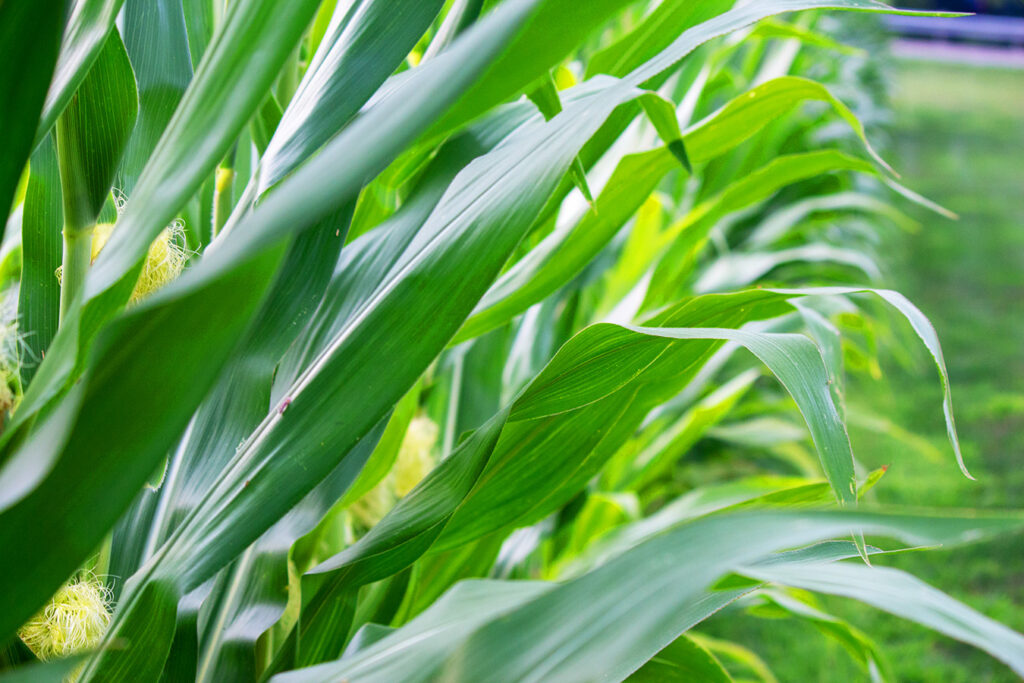
Gardeners always strive for enough nitrogen in the soil, but there is also such a thing as too much nitrogen. Plants such as green beans are nitrogen fixers, so crop rotation and companion planting will help balance out the levels of nitrogen in the soil. The three sisters method is a common companion planting strategy.
SHOULD I PLANT SEEDS OR BUY SEEDLINGS?
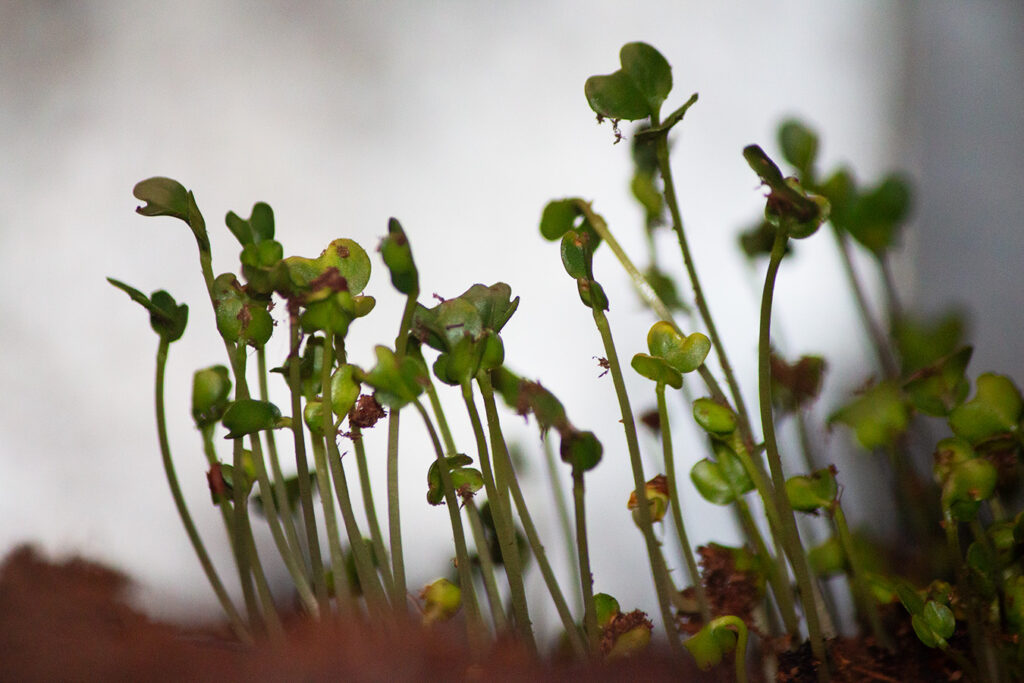
Don’t be afraid to buy new tomato and pepper plants instead of starting from seed. If you just can’t get it to grow from seed, jump start it with plants from the local garden center. It may seem like “cheating,” but you can practice your gardening skills on the mature seedlings while learning how to get the seeds right.
Young tomato plants and other vegetable plants must be “hardened off” to get used to the outdoor temperatures. Before bringing them outside, bring them outside for short periods of time to help them adjust to the natural fluctuations of sunlight. They will be hardier when you bring them outside to transplant. It is important to help them become strong plants.
TOO MUCH OR TOO LITTLE WATER
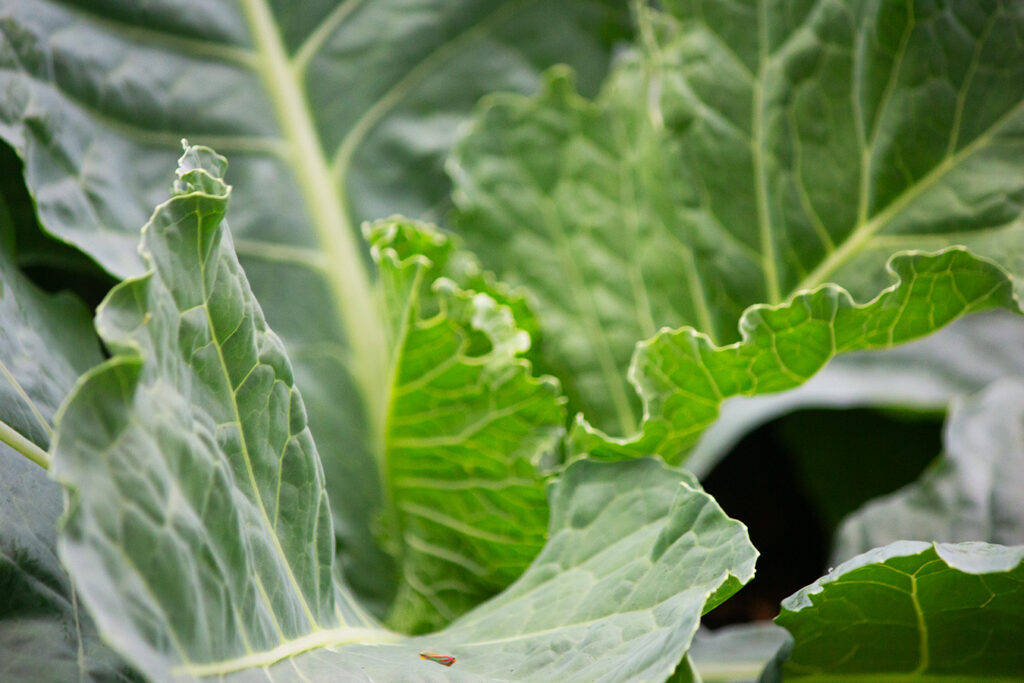
Many new gardeners are concerned that their plants will not receive enough water, but the flip side of this is that they end up over-watering. Between watering with a garden hose, heavy rain, and moisture in the soil, these plants will turn yellow and die from drowning and root rot. Too much water is just as bad as too little. You will learn as you go, though, that some plants absolutely guzzle the water and double in size, and others shrivel up and die. These are important notes to take. I learned this one the hard way. I accidentally left an herb planter in a space where it would collect tons of rain water. Everything produced yellow leaves and died except the basil from excess water. The basil harvest was fantastic that year. That is how I learned that basil likes extra water!
As things like this happen, you will observe that as conditions change, different plants will respond differently, and it will help you know what they like. When you have a plant that is flourishing, you know you put it in the right spot, and vice versa. If you use drip irrigation, make sure it doesn’t overwater your plants.
MY FIRST GARDEN
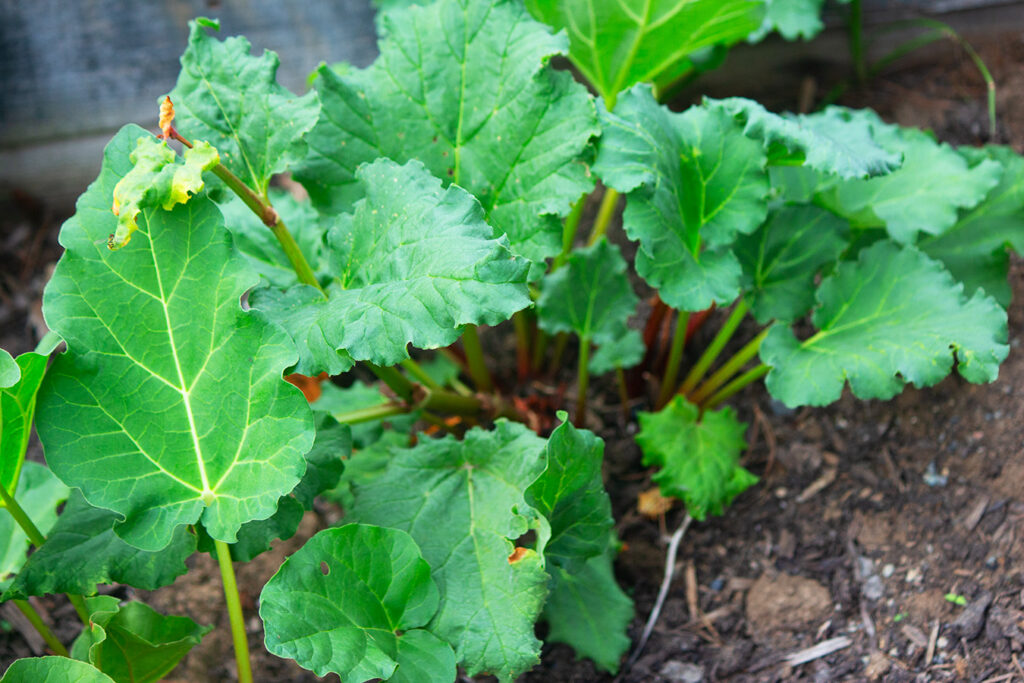
Every year, the difference between last year and next year is the experience you gained in between. I do not know everything, but I level up every year. And I started at a very low point! My first year of gardening, I literally stuck some seeds in the ground and just watched it. I got a little bit of results, but nothing like what it could have been. (I laugh when I think about how I asked someone for gardening advice, and they said “where is your garden?” They were standing right in front of it and they couldn’t tell. It was THAT bad.) And I still learn all kinds of things as I spend more time in my garden.
The good thing is, you can do this no matter how little you know right now. Be patient with yourself and with the process. When things aren’t going right, try it again in a slightly different way. (More sunlight? Less? Plant earlier? Plant later? Check the soil?) Being able to provide your own food is becoming a forgotten skill. It is worth the time you put into it. You will never be hungry if you know how to plant a garden.
In terms of Zero Waste/ Food miles, planting a garden removes all of the waste associated with packaging, transporting, and storing food. Growing it in the back yard is as fresh and local as it can be. It is a good idea to be as self sufficient and free as you can be! I originally planted a garden for food security and because I thought I “should.” However, it has since become one of my favorite things.

SHOULD I PLANT IN PARTIAL SHADE OR FULL SUN?
Your seed packet will tell you if a plant should be put in partial shade, direct sunlight, or full sun. But, if you make a mistake, it is OK. The worst that will happen is nothing. When you lose a plant, take notes of what conditions it was in. (When you planted it, where you planted it, whether you direct-sowed or started the seedling indoors, how much water it received, etc.) This is not just about growing plants, but about growing yourself as a gardening expert as well.
What is a Heavy Feeder?
A heavy feeder is a plant with higher nutritional needs. They suck a lot out of nutrients out of your soil. It is good to add compost and soil amendments so the vegetable plants receive what they need to produce a good crop. Examples of heavy feeders are asparagus, broccoli, celery, cucumbers, melons, okra, and tomatoes. But, there are many more!
What is the primary reason gardens fail?
Gardens fail because of too much or too little water as well as poor soil. There are other deterrents to a good crop as well, including fungal infections, powdery mildew, pests, and weeds. Get out into your garden every day. Observe it, take notes, and repeat what works. Make experiments and record the results. Socialize with other gardeners and share your experience. You can’t help but learn if you determine to become a student of your garden.
What is the best time to plant seedlings?
According to your Hardiness Zone, plant just after the last frost. In Zone 6, that is around April 28. However, I am usually planting for several weeks after the fact and finish up around May 15.
What is the first thing I should do to plant a garden?
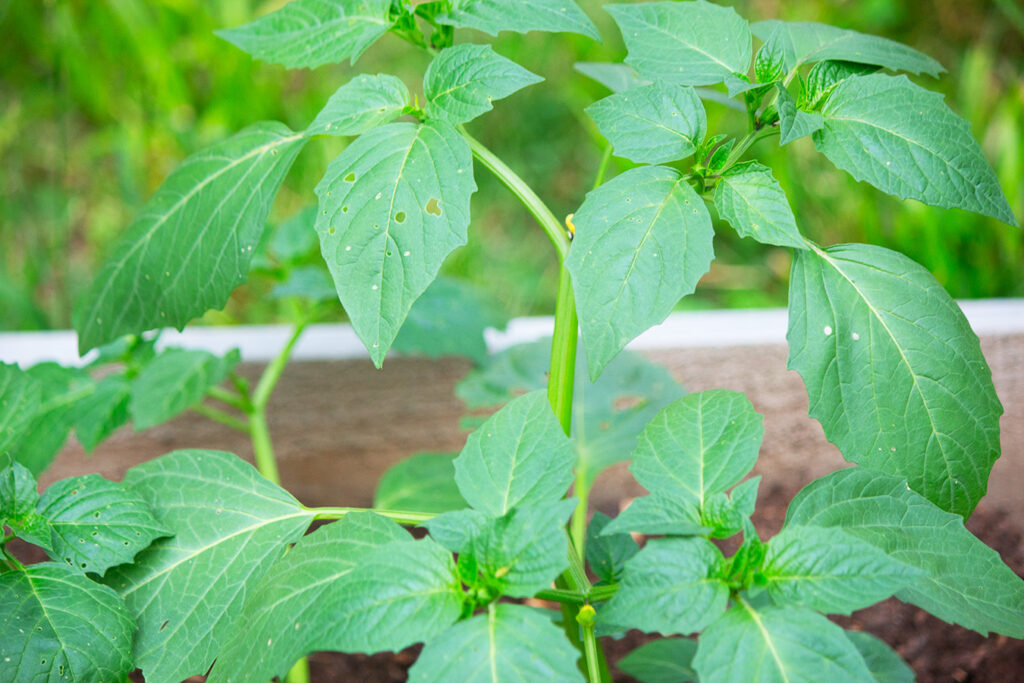
Choose your space and your seeds. The location of your garden should be in the sun and have good drainage. (Poor drainage indicates that you have a lot of clay in your soil.) Even if you don’t have much space, you can do a small strip of vegetables.
Do plants need good air circulation?
Plants need to receive a lot of air movement. They don’t like to be crowded together too much. Some plants, such as herbs, like to be squished in all together. They play well together that way. But for the most part, tomatoes, peppers, okra, and others enjoy their space. Let the air move freely by giving them room.
What are cool weather crops, and when do I plant them?
Cool weather crops include carrots, radishes, turnips, leafy greens such as spinach and lettuce, cauliflower, broccoli, and cabbage. You can plant a second round of cool weather crops in moderate Zones around Labor Day for a second harvest. In late summer, when you are harvesting your spring planting, you can plant your second round.
How do you know what seeds to begin indoors and what to direct-sow?
Tomatoes, broccoli, and many others should be started indoors and transplanted. Others, such as green beans, should be sown directly into the soil. When in doubt, you can look at your seed packet. It may say something to the effect of “begin indoors 8 weeks before the last frost.” If your last frost is April 28, that means to begin it indoors around March 3.
How do you grow squash plants?
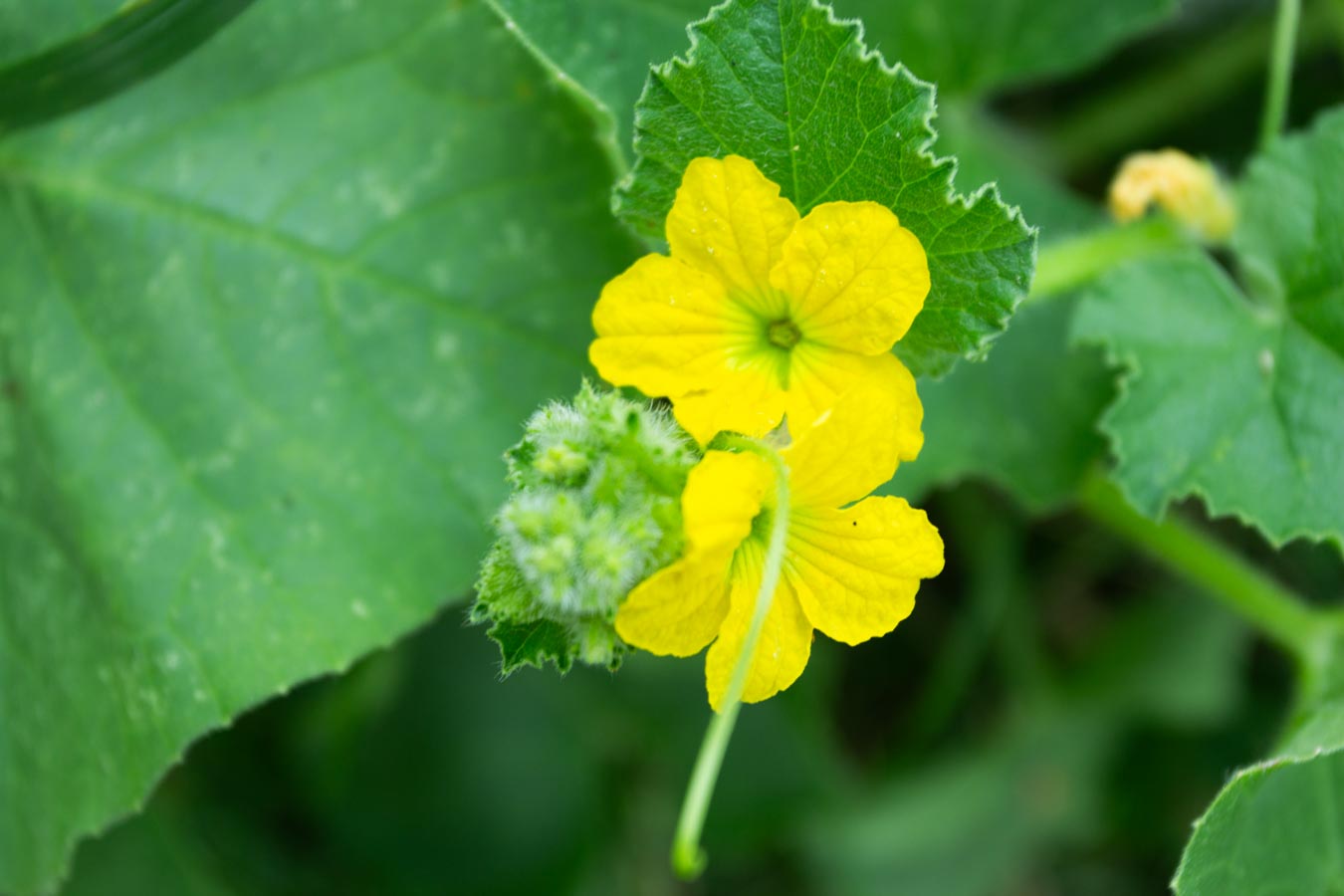
Choose a spot with direct sunlight and very little clay in the soil for drainage. Squash plants are prone to root rot and blossom end rot, so they do not like standing water. Provide your squash plants with plenty of compost, but only a little bit of water. Don’t wet the leaves when you water them. You can fertilize them with a foliar spray on the leaves, but many squash plants do just fine without it.
Can I begin with just a single tomato plant?
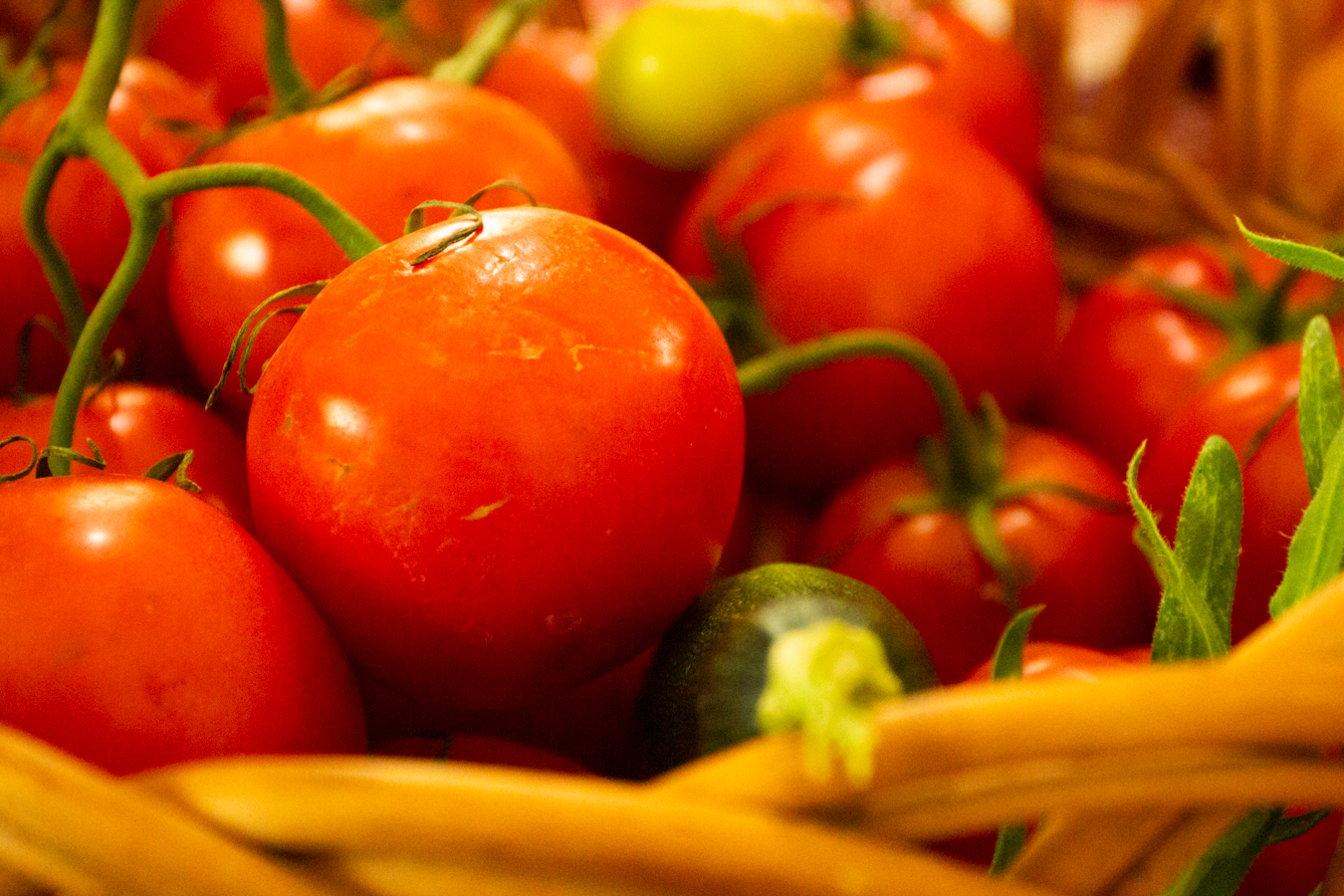
Absolutely. It will give you a few tomatoes to eat, also. Experiment with taking care of a tomato plant using just one. However, it can be disheartening if it dies, and every gardener loses plants sometimes. If you begin with three and lose one, you may feel a little bit better about your gardening skills, rather than staking all of your hopes on one plant.
What potting soil should I use for container gardens?
I really like the potting soil recipe that Annette and Jared provided on their blog, Azure Farm. Check them out! They are master gardeners and their work is just beautiful. This recipe will produce a rich soil that will help your vegetable plants tremendously.
Where do you order your vegetable seeds?
There are many high quality seed providers, but my favorite is Baker Creek Heirloom Seeds. They don’t know who I am, and they are not sponsoring this post. But, I place an order about once a month year-round.
What are common causes of brown and black spots on vegetable plants?
There are many elements that can cause discoloration. If your plant is yellow, it is probably overwatered, or is low in nitrogen. If it is overwatered and then got cold, it can produce brown spots. Aphids and pests can also cause brown “scabs” as they chew at your leaves. Believe it or not, your plants can also be discolored from sunburn. If this is the case, it is probably a shady plant that is in full sun. Also, the classic reason for a plant to die is underwatering, so it might just be thirsty.
Can I produce good vegetable crops in a container garden?
Absolutely. Many people have balcony gardens, or above-ground gardens due to less than ideal soil where they live. You can definitely grow many things using containers! Don’t let your space or soil quality deter you from trying. If you have no place for anything other than a houseplant, you can also join a community garden and share a public garden with other people.
What is the easiest thing to grow in a vegetable garden?
In my opinion, green beans and peas are the easiest thing to grow. They are very satisfying. They produce tons, and you feel like you have accomplished something when you bring them inside to eat or preserve.
What if my entire garden fails?
That is discouraging. Don’t give up! Talk to your local 4-H extension office. They often have gardening classes that you can take from master gardeners. Talk to the people who work at your local plant nursery. Meet local farmers and troubleshoot. Start listening to Melissa K. Norris’s podcast, Pioneering Today. We have all had crop failures and losses. For every loss, there are other wins. Keep trying so you will experience the new wins from all you are learning.
What is a good option for producing strong roots?
There are several things you can do to strengthen your plant’s root system. Water deeply, but less often (make sure the plant is not standing in a puddle), and fertilize your plants with a lot of organic matter. Both of these things will make the root system grow.
Do I put compost on the top of the soil, or work it in?
You can mix compost in about 6″ deep, but don’t inadvertently slice your plant with the tool while you are doing this. If the garden is bare, you can till it in. If you have a habit of adding layer after layer of compost and organic matter to the top of your soil, eventually it will work itself in.
How do I grow larger plants?
Air, water, and soil quality are the trifecta of plant growth. However, in the plant world, bigger is definitely not always better. Bigger zucchini are almost always full of seeds instead of flesh, so they are better picked small. Tomatoes that have a lot of new growth “suckers” may make for a larger plant, but poorer fruit due to the plant absorbing all of the available nutrients in the soil. If your plant is healthy, that is better than trying to grow it bigger. Sometimes the bigger plants are less healthy.
What is the most common culprit of powdery mildew?
Powdery mildew most commonly grows in humid climates. Water your plants at dusk to help control the disease, and make sure the leaves get wet, except for the squash.
What should I do if there is too little nitrogen in the soil?
If your plants are curling up and turning yellow, it might be time to add a nitrogen amendment to your garden. Common nitrogen amendments include Blood Meal, Bone Meal, Compost, Alfalfa, and Rabbit Manure. If you don’t have a rabbit, you can put alfalfa pellets (aka rabbit feed) straight into your soil for a nitrogen boost. However, it is better for your soil once the rabbit has produced manure.
How should I begin growing green onions?
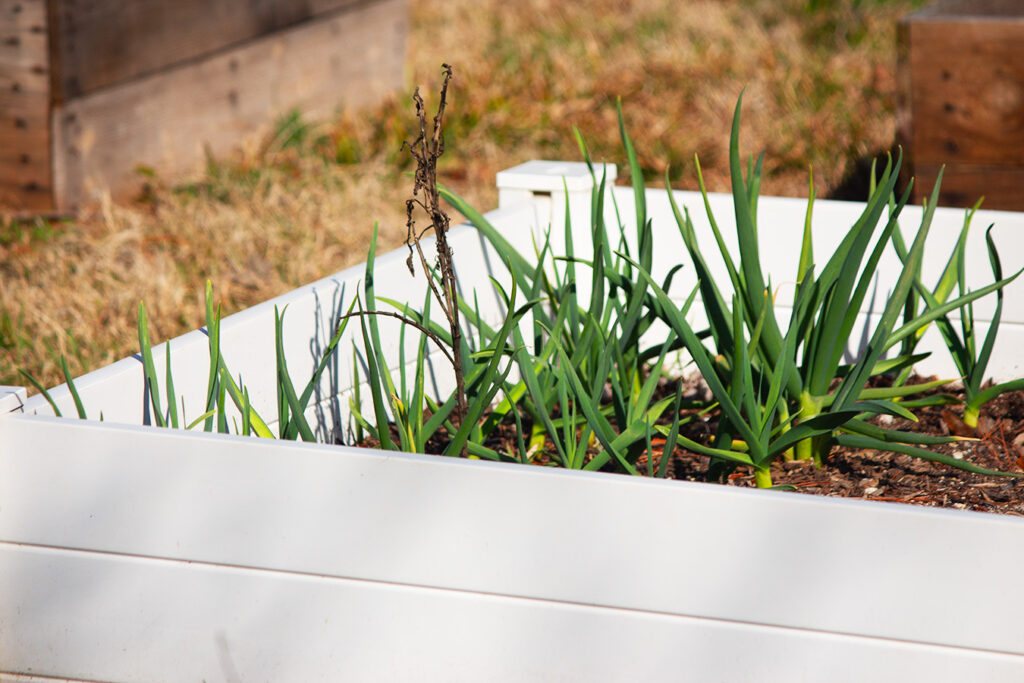
Some types of alliums should be planted in the fall, like tulip bulbs. However, little green onions can be planted in April-May in Zone 6. Make sure it receives at least 6 hours of sunlight and has plenty of drainage.
What are your best tips for root crops?
Root crops are direct-sown in place. Some of them take only 30 days to mature! Carrots do not like too much nitrogen, so they may produce incredible leafy tops with wimpy little carrot sticks. If you wait too long to harvest, they will become “woody,” like trying to bite into a twig. Make sure the area is well drained, thin your carrots, and don’t add too much fertilizer. Fertilizer will only add more nitrogen, and this is one bed that should only have a moderate amount of nitrogen.
How should I dispose of spent plants?
After a plant has produced all it can and dies, don’t throw them in the compost pile, but instead burn them in a fire pit. This will destroy any lingering eggs and pests that might carry over to the next year.
FAVORITE TOOLS & SUPPLIES
- Diatomaceous Earth – sprinkle this generously around all plants where you suspect that there could be an infestation.
- Epsom Salt – use this for magnesium deficiencies around your plants. Not all soil lacks in magnesium, however, so you may have to do a soil test to see if your garden requires epsom salts. Also: make sure that you use an unscented epsom salt.
- Neem Oil – this is stinky, but it works! Neem Oil is the big gun that you should pull out when you suspect Japanese Beetles. Mix a tablespoon with a gallon of water and spray onto your crops.
- Sprayer – this is a portable, hand-pressurized sprayer for when you need to use neem oil in your garden.
- Handheld Garden Shaker – use this shaker to spread diatomaceous earth on small areas. For larger areas, use a spreader (below).
- Garden spreader – when you are spreading diatomaceous earth onto a larger area, this is easier than using the handheld shaker.
MY FAVORITE BOOKS ABOUT GARDENING & SELF SUFFICIENCY
- The Homesteader’s Herbal Companion by Amy K. Fewell
- The Rooted Life by Justin Rhodes
- The Family Garden Plan by Melissa K. Norris
- Welcome to the Farm by Shaye Elliott
- Seed to Seed by Suzanne Ashworth
- Storey’s Basic Country Skills by John Storey
- The New Complete Book of Self Sufficiency by John Seymour
YOU MAY ALSO ENJOY…
- My Zero Waste Year and the Habits that Stuck – A while back, I set out on a journey to do everything the holistic way to save money. Here’s what I learned!
- Why I Grow a Vegetable and Herb Garden – One time, I stuck a bunch of seeds in the ground and waited for them to produce magic. That was the beginning of my lifelong education – and I started at a very low point! I have learned so much in the years since then. Learn it all here and more!
- Easy DIY Hand Soap – mixing your own soap used to sound so ridiculous to me. Who has time for that? With this recipe, it takes so little time and energy, it doesn’t make sense not to!
- Easy 2 Ingredient Skin Care – Many natural products, common household ingredients that you already have in your home, can replace high end skin products. Oils, clays, salt, juices, and basic dry baking ingredients can replace so many things. When I grocery shop, I rarely buy something that you can simply open and eat anymore, other than fruit. It is all individual ingredients that you have to process at home: flour, sugar, salt, beans, coffee, spices, etc.
- 34 Ways to Summer Hygge + Classic Lemonade Recipe – Summer Hygge is the perfect time for a picnic, a cup of cold, sweet tea instead of rich mocha and hot chocolate. The increased sunlight and warmer weather after a winter season of rest is known for making us feel energized and happy — and it should. Try my oh-so-simple Classic Lemonade Recipe as you enjoy the bright summer days.
2 Comments