

“She looketh well to the ways of her household, and eateth not the bread of idleness.”
— Proverbs 31:27, KJV
This letter may contain affiliate links. As an Amazon Associate I earn from qualifying purchases, at no extra cost to you.
When you are busy, it feels crazy insurmountable to take on the task of going Zero Waste. The convenience of single use plastics and products seems like it is a big part of how many people keep everything together. However, the amount of time that people have been consumers rather than producers is relatively short. There are all kinds of timeless, inexpensive tricks that make a big difference without detracting from your quality of life.
A few years ago, I stumbled across the book “The Zero Waste Home” by Bea Johnson in the library. I was originally interested in the idea so I could save money, but it opened a new philosophy of stewardship. The idea of putting our discard to good use, rather throwing everything to the murky, nebulous “away,” only makes sense. When a plastic coffee stirrer is manufactured, packaged, and shipped to be used for less than five seconds, washing a metal spoon seems like a no-brainer.
Zero Waste in Action
During my year of Zero Waste, I began to use more reusable products than I had before, such as cotton produce bags, bento boxes, and a nalgene bottle. I planted a garden; I joined Costco for bulk shopping. During that year, I only took my big trash can out to the curb once. Even though my life now is less drastic than it was then, I never fully went back to buying and tossing without a second thought. I like the lifestyle itself (more on that later), so I retained, to a degree, all the principles of Zero Waste to this day.
Today, I use too many single use products now to call myself fully Zero Waste (I never did give up freezer bags), but many of the principles have stuck with me. When I plan my week, I buy things in the most sustainable or minimal packaging that I can, grow vegetables, cook from base ingredients, recycle, compost, thrift, mend clothing, and many other things. Even after adjusting my lifestyle to the less-extreme, closer to center median, my Zero Waste year changed my life and taught me that we don’t have to mindlessly throw single use plastics out until we die; we can be wise stewards of the resources we have been given. Oh, and – spoiler alert – I did save money. I will show you how!
While it does take some creativity, Zero Waste can save you money and is easy to learn. I am over buying stuff that goes straight into the trash. What a waste of time and money.
What I love the most about Zero Waste is that you end up cultivating a life of things that are real. You will find yourself with cloth instead of plastic tablecloths, pottery or glass instead of single use plastic cups, double-walled coffee cups in your favorite color instead of cardboard with a plastic lid. The more fresh food you eat, the less you will even want cheap junk food. Waste reduction means that your life will be full of what is real.
The main goal of Zero Waste is to be a good steward of the Earth that God has given us, but there are many benefits – your health will benefit without exposure to chemicals from plastic waste, your wallet will benefit from trimming away extra things, and in my opinion, the best part of all is that you will be using things in your life that are made out of natural materials, such as clay, stone, glass, porcelain, brick, and wood. I will trade plastic and styrofoam in any and every day of the week for beautiful raw materials.
There are a lot of ways and strategies for reducing waste generation, but there are simple, practical, free ideas to get started.
22 Ways to Implement Zero Waste Ideas:
- Instead of buying individually prepackaged snacks, buy a bulk container and divide the snacks into bento boxes or other reusable containers for transporting. Better yet, make cookies or pretzels and keep an old fashioned cookie jar!
- Refill a water bottle with your own filtered Berkey water instead of buying bottled water.
- Use an outdoor compost bin to decompose food waste and yard clippings. Your plants will love it!
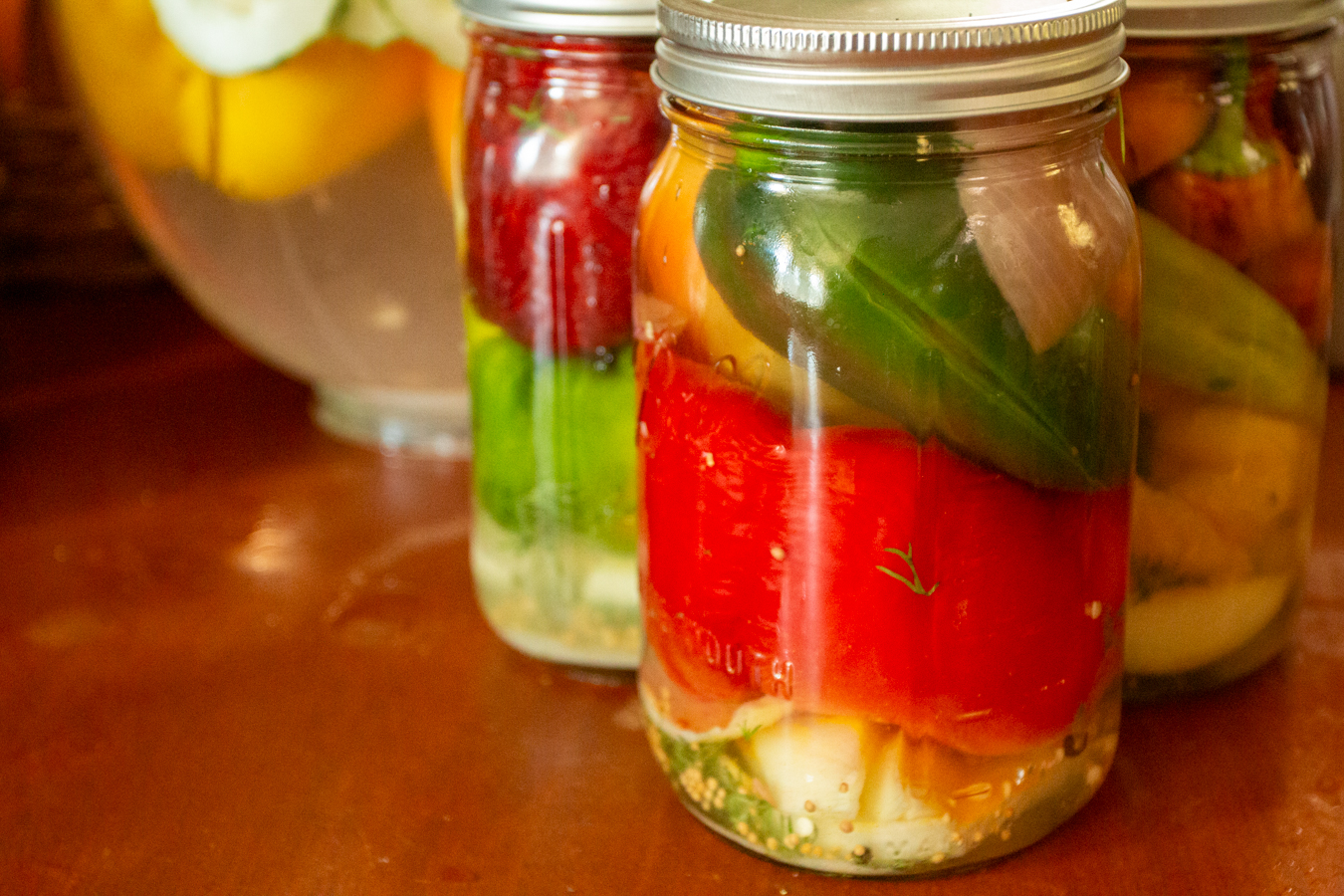
- If you have a choice between a product in a jar as opposed to a plastic container, choose the glass jar because glass is reusable and infinitely recyclable.
- Use porcelain, glass, or stainless steel food containers.
- Buy secondhand as much as possible.
- Mend your clothes instead of replacing.
- Make your own sourdough bread.
- Use regular silverware instead of plastic.
- Make your own yogurt effortlessly instead of buying mini containers.
- Make coffee in a French Press, a pour-over drip, or cold brew instead of using a regular coffee maker.
- Take a cotton produce bag to the store instead of putting the fruits and vegetables in a plastic bag.
- Make your own hot chocolate mix out of cocoa powder, powdered milk, and sugar.
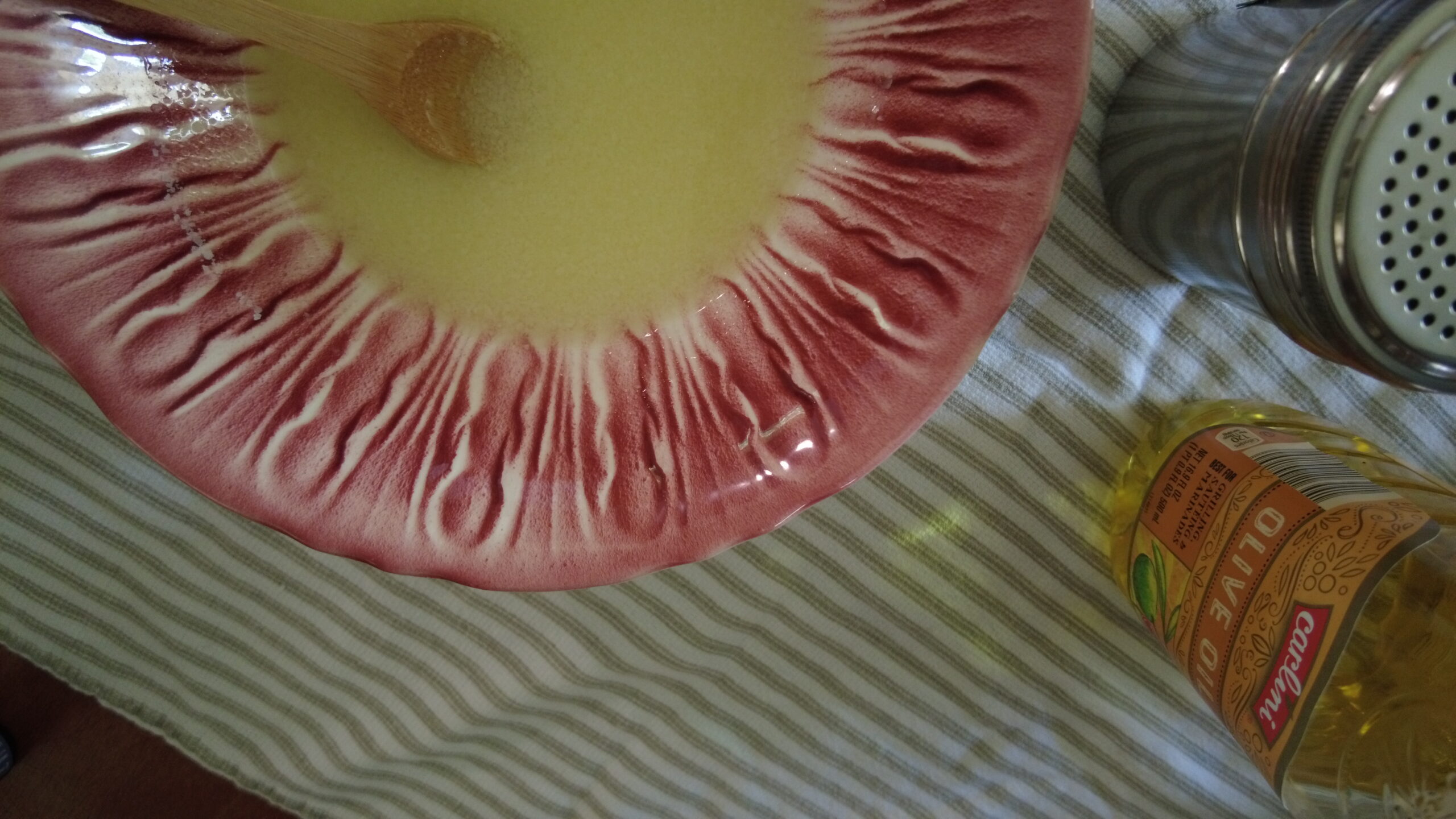
- Learn about helpful common ingredients such as Olive Oil, Witch Hazel, Essential Oils, Vinegar, Lemon Juice, and Baking Soda. I was surprised how many things that I used to buy could be replaced with something else that I already had.
- Visit a local meat market or farmer’s market. Buying fresh is a great way to cut back on waste and support small business.
- Buy it Once, Buy it Right. A set of cast iron pans will outlast our lifetime, and without all of the crazy chemicals that other types of cookware adds to our food. Purchase high quality raw-material items that will last a long time, and then keep them forever.
- Purchase items that are meant to be repaired rather than replaced. Instead of buying and pitching over and over again, buy things that have repair potential.
- Cook from base ingredients such as dry goods, vegetables, and meat.
- Make a homemade all purpose cleaner for your countertops.
- Switch to bar soap.
- Share excess with others. When you split your hostas in the fall, offer the other half to your neighbors instead of throwing them in the trash. When you clean out the garage, post your second snow shovel on a local Buy/ Sell/ Trade group. Many items end up in landfills that have plenty of life left in them. It is a good thing to share what you don’t need with others who do.
- Purchase selectively. When your belongings really speak to the many things that you love about your life, you are more likely to keep them. Instead of purging to get the “minimalistic” look, take care of it on the front end by not letting it in in the first place.
FAQ:
What is the Zero Waste Lifestyle?
The Zero Waste Lifestyle is a growing trend of using less single use plastics and replacing them with items that are reusable, washable, and long lasting.
What is the best way to begin Zero Waste?
Although some people have taken the plunge cold-turkey and decided to never again buy a product with a wrapper or non-recyclable packaging, most people do not stick with it long term if they do that. If you decide to give up just one single-use item, such as plastic coffee stirrers or straws or plastic forks, maybe you will find it simple enough to add something else after you have gotten the hang of it.
You can also try to do a Zero Waste meal, where you use washable/reusable dishes. Make sure that all of your food came in glass, wax paper, or recyclable packaging. If you enjoyed the challenge, maybe try it again. Small steps is the way to begin!
Is there anything you don’t agree with about Zero Waste?
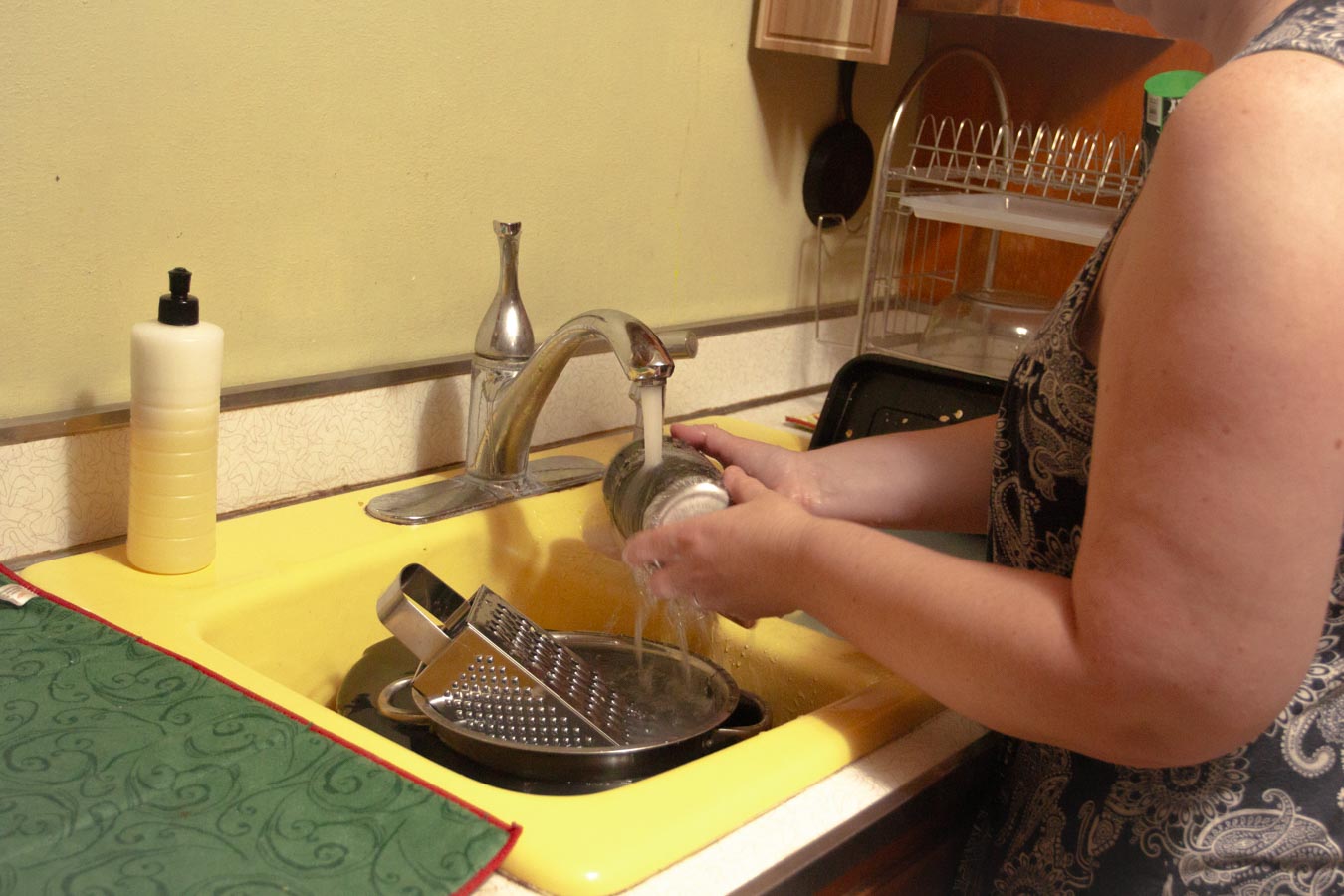
One reason I call myself a “fifty percenter,” even though I try to be as renewable as possible, is because of two major disagreements with the Zero Waste philosophy. I am all about reusing containers, recycling, composting, growing vegetables, and washing your items rather than throwing them away.
First of all, I don’t buy the idea that paper is a bad form of waste. Trees are extremely renewable energy sources, and I don’t agree that digital everything needs to replace paper. Books, notebooks, and paper signage are important to our society. However, we need to responsibly replace the trees we cut down through planting. I am also in support of bamboo paper and other renewable types of paper production instead of trees.
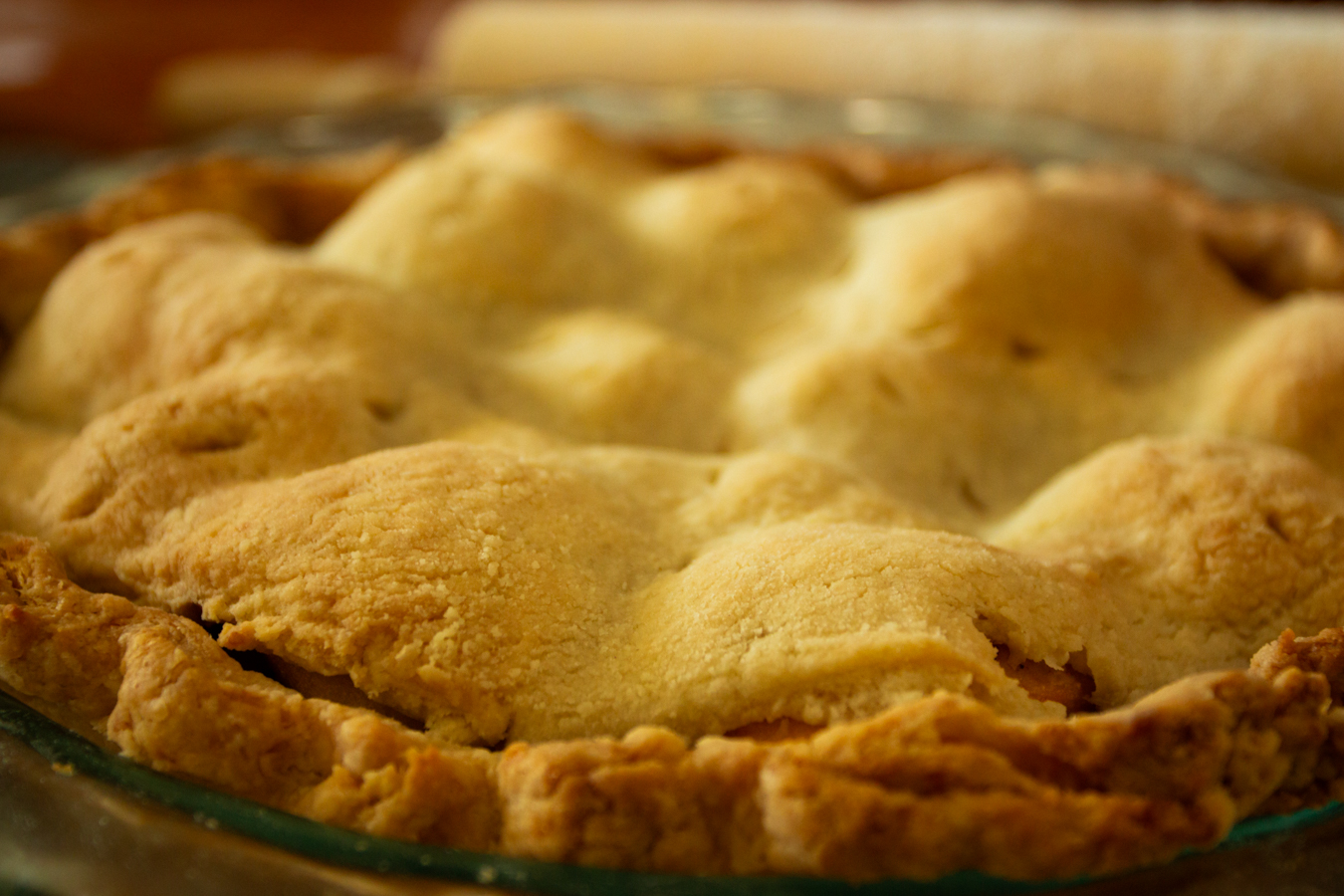
The second thing I am disagree with is part of the “Refuse” portion of Zero Waste. In the book, one of the examples is of someone turning down a homemade pie because the cook put it in a disposable aluminum pie pan. I feel that there is an amount of graciousness that we need to have towards other people, especially when they do something nice for you. However, when there are two options available, I will pick the non disposable option.
Where do you buy Zero Waste Products?
The biggest part of Zero Waste is knowing how to purchase consumable items. Look for products that the grocery store sells in bulk, such as nuts, raisins, tea, and other dry goods. Sometimes, you can even buy them loose and fill your own container. Every grocery store has items that are in glass jars, or items in larger quantities in exchange for a fraction of the packaging. Half of the battle is knowing how to shop.
Is Zero Waste Cheaper?
Yes! There are many “styles” of achieving Zero Waste, and some are more frugal than others. Zero Waste does not require any fancy equipment. In general, The Zero Waste plan helps most people save money by avoiding single use items and excess packaging. The shopper pays for the wrappers and containers in the grocery store, too.
Is Zero Waste Possible & Achievable?
Anyone can go Zero Waste if they are conscientious about their purchases and habits. If you prioritize buying products that use less packaging, you can easily find alternatives for all necessities and many other things. However, Zero Waste is not an all-or-nothing High Dive into a crazy, unattainable lifestyle that leaves you stressed out. You can take small steps, or choose a few that are attainable for your life. If you can’t do all of it, you will benefit by doing what you can.
I have a “worth it” category, which is largely the reason I can’t call myself completely Zero Waste anymore. I learned a lot in my year of doing it devoutly, and I retained a lot of the habits. Nothing else works as well in the freezer as plastic freezer bags!
Also, I made a decision that I was not going to make myself or my family suffer for Zero Waste. I will gladly choose a “wasteful” item if it means that my family has what they need for their wellbeing. There is plenty of excess to trim back on without being a stickler on the necessities. Being a fifty-percenter is nothing to be ashamed of. Do it when you can, and allow yourself a margin for when Zero Waste detracts from your life instead of adding to it.
The easiest way to get started is to pick one small step and do that. If you find it easy and achievable, maybe try another. The only way to do it in a way that will last is to make small changes.
What are the 5 principles of Zero Waste?
Refuse – going without something that is completely optional, such as drinking a glass of water directly out of the cup instead of using a straw.
Reduce – considering your purchases carefully and choosing the ones that meet your criteria.
Reuse – refilling containers instead of continually purchasing and re-purchasing disposable. Many people use their own grocery bags instead of plastic bags, or carry a water bottle instead of purchasing beverages.
Recycle – participating in your local recycling program for glass, cardboard, recyclable plastics, and aluminum.
Rot – beginning backyard composting of your food scraps, yard clippings, and organic matter.
Even though I didn’t stay at Zero Waste (I’m more of a fifty percenter these days) I feel that my year of extreme waste free living taught me so much. It easy to wash reusable food containers instead of throwing them away. A long lasting item is like a trusty friend. We are meant to savor life instead of consume it. Even though I do it imperfectly, I’m on a lifelong journey. I am learning how to focus on what matters: people, relationships with one another and God, and being a good steward of this beautiful creation called Earth. I still deliver coffee grounds to my compost pile daily, turning it faithfully into rich matter for seeds to grow in.
After all, isn’t growth the point?
If you enjoyed reading about My Zero Waste Year and the Habits that Stuck, you may also enjoy:
- Easy Apple Cinnamon Oat Muffins – homemade breakfast does not have to be a drag. These protein packed, delicious muffins can be a quick and easy breakfast for your family.
- Why I Grow a Vegetable and Herb Garden – One time, I stuck a bunch of seeds in the ground and waited for them to produce magic. That was the beginning of my lifelong education – and I started at a very low point! I have learned so much in the years since then. Learn it all here and more!
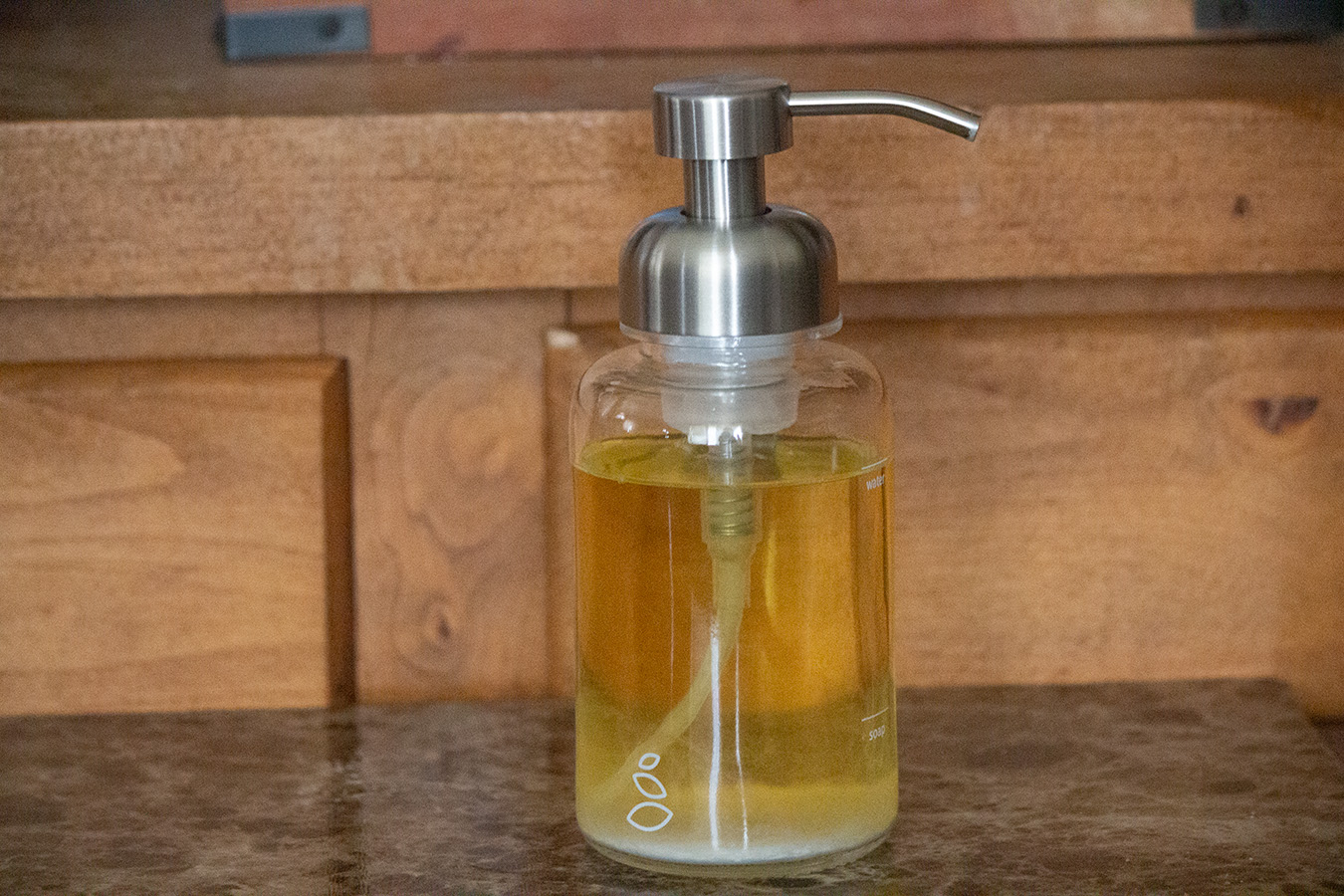
- Easy DIY Hand Soap – mixing your own soap used to sound so ridiculous to me. Who has time for that? With this recipe, it takes so little time and energy, it doesn’t make sense not to!
- Easy 2 Ingredient Skin Care – Many natural products, common household ingredients that you already have in your home, can replace high end skin products. Oils, clays, salt, juices, and basic dry baking ingredients can replace so many things. When I grocery shop, I rarely buy something that you can simply open and eat anymore, other than fruit. It is all individual ingredients that you have to process at home: flour, sugar, salt, beans, coffee, spices, etc.
- 34 Ways to Hygge in the Summer + Classic Lemonade Recipe – Summer is the time of year when the world has burst into full bloom, when the tiny sprouts from spring have reached peak glory. The early Summer morning is my favorite time to watch the dew glisten on the leaves, before the dog day afternoons kick in and makes us turn indoors. It is a perfect season – but then again, I say that about all of the seasons. Summer Hygge is the best time to create a relaxing atmosphere for your whole family – with a glass of a very simple All American Classic Lemonade.

One Comment