

“I’m not afraid of storms, for I’m learning how to sail my ship.”
— Little Women, Louisa May Alcott, Chapter Forty-Four
This letter may contain affiliate links. As an Amazon Associate I earn from qualifying purchases, at no extra cost to you.
Every gardener has had those seasons: the seasons when things do not sprout, or get eaten by pests, or curl up and turn yellow. It is discouraging. However, every loss comes with wins, even if the win is knowing how to handle certain challenges.
Gardening is time consuming, and it can be discouraging. However, the value is not merely in home grown produce or flowers. (Don’t get me wrong, that is a HUGE benefit, and the reason that people get into it in the first place!) Gardening is also a way to get closer to the earth, to get closer to our food sources, to spend time in nature without screens. The process is just as valuable as the end product. Gardening is an education – and, as you keep doing it, you will definitely “level up” and learn how to mitigate challenges. The good news is, anyone can garden.
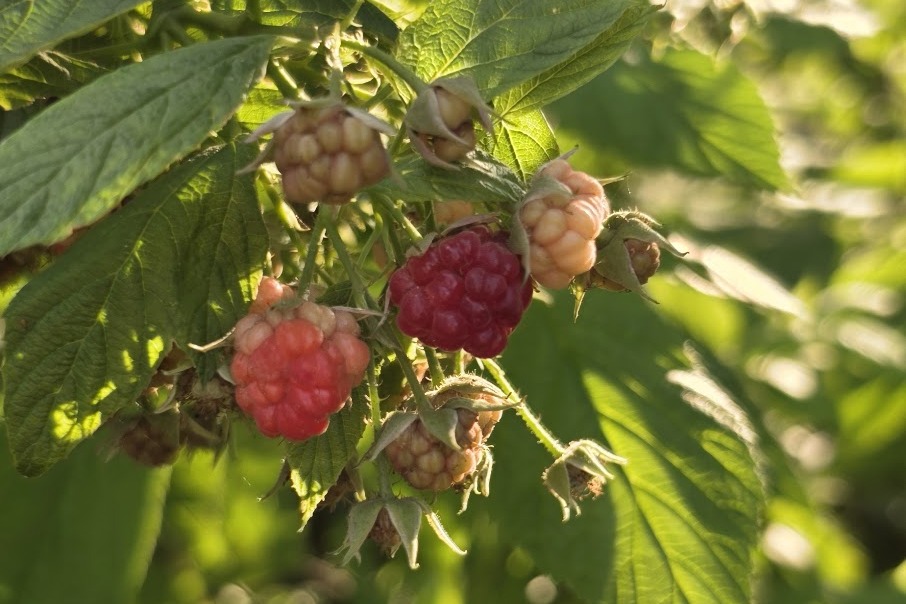
So far, I am doing great on herbs, raspberries, peas, green beans, okra, cucumbers, pumpkins, and tomatoes. I’m doing awful at zucchini, broccoli, and cabbage. Even people who are more successful have things they are still learning and figuring out. You will find your wins. They won’t all be wins, though. Last year always teaches you what to do next year.
Try beginning with starts from a local garden center, but don’t stop practicing seed starting, either. Starts often produce more yields than your seedlings, but it is good to use the starts to practice taking care of more mature plants while you are leveling up your seed starting skills.
YOU CAN GROW YOUR OWN FOOD. HERE’S HOW:
- Begin eating like a gardener all year, even if you are buying your produce at the store at first. Learn what is in season each month, and learn how to prepare delicious food with raw vegetables and fruit.
- Get involved with farmer’s markets. Buy produce that other people grew and learn how to cook with it. Learn from the people you meet.
- Read your seed packets. It will tell you the number of days to maturity, how deep you should plant the seeds, whether the plant needs full sun or partial shade, and other important information.
- Gardening begins while everything outside is still frozen. In the winter, plan your garden space, order seeds, prepare to bring in mulch and compost, and inventory your supplies. Begin your seedlings with a grow light and heat mat, and plan to order starts as well so you can grow the entire season if the seedlings don’t work out. (Seedlings definitely have a learning curve.) Don’t wait until April-May to plan your garden for the year. But if you are a new gardener and have just become interested in it, you can begin any month of the year. Just jump in and plant something – eventually you will sync up with the rhythm of the botanical life in your region.
- Every gardener has accidentally weeded out a plant that was not a weed. Sometimes, you have to let it get a little bigger before you will know what it is, so you don’t pull the wrong plant.
- If you don’t have much space for an outdoor garden, containers on a deck work just fine! Grow a little lettuce on the windowsill and cherry tomatoes on the balcony. Everyone can grow something!
Eventually, your yields will increase as you learn. Let’s take a look at common challenges and how to handle them:
TOP TIPS:
- Don’t be discouraged. You will learn how to deal with hornworms, aphids, japanese beetles, poor soil quality, and so many other things! Every year, the losses will also come with wins – and over time, the wins will increase as you learn.
- Start composting. Most food scraps and organic matter can be composted to increase the quality of your soil.
- Keep doing your research. There are solutions for every common gardening problem, and you will learn these ropes as you go along.
- Know your first and last frost dates, as well as your zone. This information will be very helpful to you!
- The best way to do it is to just do it. Get some seeds or small starts, some soil, and start planting and watering. Unless you are born with a green thumb (and some people totally are!) you will make mistakes. But it is OK. Learn from those mistakes and keep going.
FAQ:
COMMON GARDEN PESTS:
The best deterrent for insect pests is a healthy garden. Focusing on your garden soil quality and feeding your garden high quality nutrients will help deter pests better than any spray or natural remedy.
Pest control is a double-edged sword; you do not want all of your hard work disappearing to critters who visit your garden. The easiest way to handle this is actually quite detrimental: you could spray it all with chemicals that kills everything, but you have killed your ecosystem. (And, you probably do not want to eat the vegetables you produce after all of that pesticide spray.) It is important to work with your ecosystem to create a symbiotic relationship between all of the different environmental factors: sun, water flow across your property, pest/predator, vegetable.
Every pest has a natural predator, and many of those predators are beneficial to your garden. Little harmless garter snakes, frogs and toads, birds, beneficial insects, etc. should be encouraged to live in your garden. The best way to create a balanced ecosystem on your property is to work with the factors that already live there. Don’t work against nature by trying to kill everything other than your intended plants; work with the natural biological ecosystem and integrate into it.
- Aphids – these are tiny little critters that feast on many different plants of your hard work. They are easily cured with diatomaceous earth or an order of ladybug and praying mantis eggs. However, if you are using ladybugs and praying mantises to cure an aphid problem, be careful that your diatomaceous earth is not killing the good insects, too. I recommend choosing either diatomaceous earth or beneficial insects, but not both.
- Fungal diseases – some of the more prevalent fungal diseases are leaf spot, rust, wilt, blight, root rot, and powdery mildew. The best thing you can do for fungal diseases is make sure you have a healthy plant to begin with. Fungus will attempt to attack any plant, but the weak ones will be affected by it. Make sure you water the base of the plant, not the leaves, and keep your plants pruned to prevent mold and mildew growing underneath the plant canopy.
- Japanese beetles – often, these pesky insects are the bane of a gardener’s life. They have been known to take out entire crops. You can spray affected plants with neem oil, just take care to not spray everywhere, to allow the pollinators to flourish. Many people pick Japanese beetles off by hand and drop them in a bucket of soapy water, or vacuum them up with a wet-dry vac. Japanese beetles are repelled by catnip, chives, garlic, odorless marigold, nasturtium, white geranium, rue, or tansy. If you grow these plants in and around your beds, it will help deter them. Their natural predators are spiders, stink bugs, and birds. Don’t spray for spiders that are outside your home, because these natural predators will need to feast on pests that are bothering your garden.
- Squash Bug – like the Japanese beetle, squash bugs can also be vacuumed with a wet-dry vac wand or dropped into soapy water. At the end of the season, burn your spent annuals, prune back your perennials, and burn the remains of last season’s garden. This will help prevent squash bugs from taking over the next year. Squash bugs are eaten by Tachinid flies, which are attracted by Queen Anne’s lace and many varieties of carrot. Nasturtium repels squash bugs, so this is a good plant to keep in and around your other vegetable plants.
- Squash vine borer – This is the larvae of a moth that bores down into the base of your squash plant and kills them. They are attracted to the bright yellow flowers produced by squash vines, so you can actually purchase a bright yellow sticky trap that helps reduce the squash vine borer population. Squash vine borers are repelled by nasturtium and mint. Birds love to feast on these moths and larvae, too!
- Tomato Hornworms – these ugly giant green caterpillars camouflage themselves as part of the tomato plant. They are the same color as the tomato leaves and often blend right in. They are not poisonous to humans, so you can pluck them off and put them in a bucket of water. (Or better yet, kill it with fire.) You will want to burn the tomato plants when they are finished producing, so the eggs laid on the plants will not hatch the next season.
How do I reset my garden soil?
If your soil seems thick and sludgy, or dry and powdery, you might have some soil composition issues of clay or sand. Clay soil and sandy soil are both problematic to vegetable plants. You can learn your soil type by getting a soil test kit, or you can bring in mulch, new dirt, compost, and topsoil to add to your garden beds to create proper soil. You can also consider getting rabbits to help fertilize your beds. Rabbit manure is excellent plant food.
In the late fall when your garden is spent, cover your soil with straw, leaves, mulch, and compost. This will help protect the soil from depleting of nutrition over the winter.
What is a realistic size for my first garden?
Try a 4 foot by 4 foot raised bed. Fill it with compost, mulch, and topsoil, and try your hand at gardening! The worst thing that can happen is nothing. If you live in an apartment or condo, try growing in containers.
How do I diagnose what is wrong with my plant?
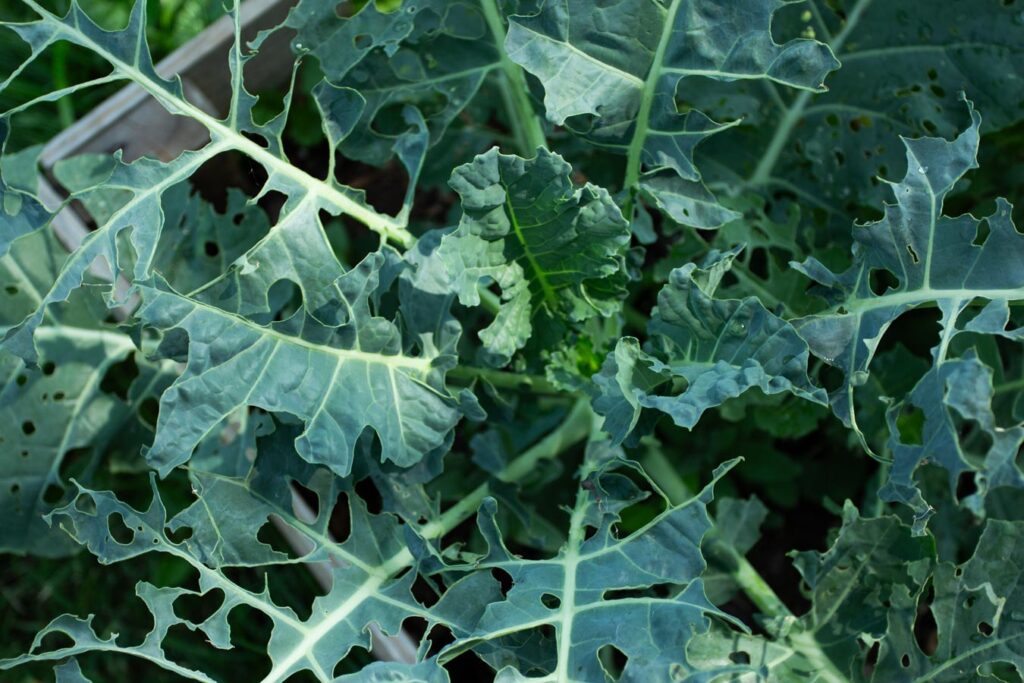
There are a number of things that could cause a plant to not thrive: a fungal disease, pests, over or under watering, etc. Observe the shape and color of the leaves and if it has holes in it. Look at the base of the plant and see if it is intact or mushy/ falling apart and discolored. A lot of this education will happen as you experience it over the seasons, but you will have to compare the state of your plants with how they are treated, including outside forces such as weather. If you are paying attention to all of the ways to care for a plant and it still dies, then it could be an external factor such as the location of the plant, or the time of the year you are trying to grow it.
Here are a few of the basic go-to signs:
- Yellow leaves: overwatering
- Wilting/turning brown: underwatering
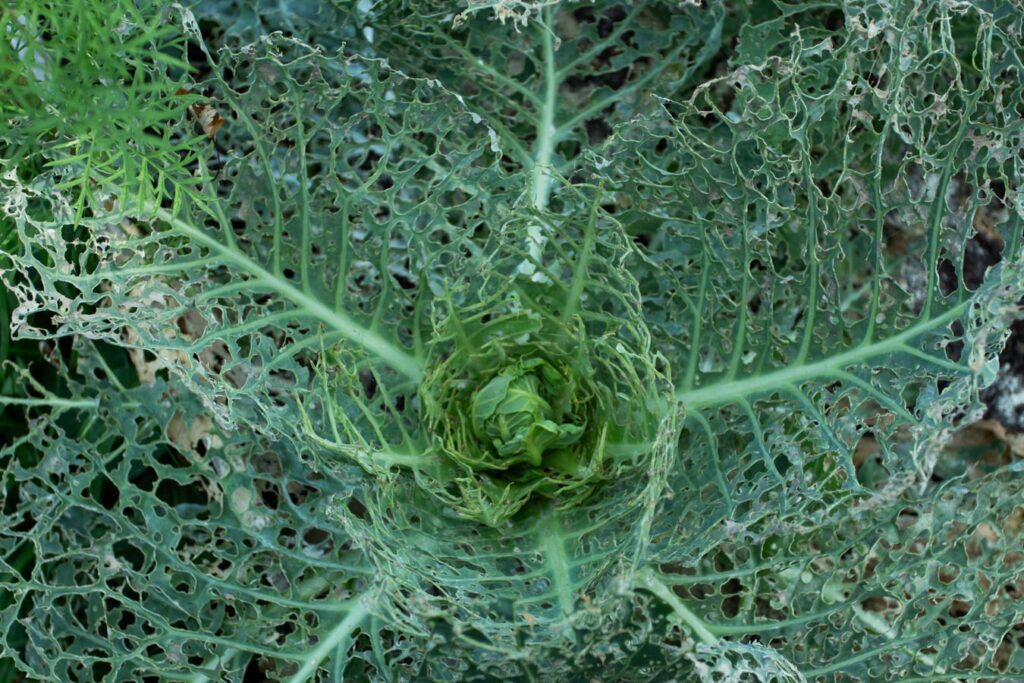
- Holes in leaves: a detrimental insect
- Mushy or off-color base: fungus, root rot, or squash vine borer.
How do I make my soil rich again?
To make your soil rich again, focus on compost and mulch. Cover your soil before every cold season, and make sure to use a high quality natural fertilizer each year. Rotate your crops from one year to the next so the plants that absorb nitrogen are following a nitrogen-fixing crop.
Why is my vegetable garden rotting?
There are 3 reasons a vegetable garden could rot: clay soil with poor drainage, a fungal disease, or too much water, or a combination thereof. Wet soil will cause a plant to die back. Prune your plants to allow airflow and water less often. If you have clay soil, add tons of compost, mulch, and top soil to help balance it out.
Do I have to do a no-till method garden?
You can totally rototill a vegetable garden. If you are going to grow a large crop, tilling is a much more efficient way to garden than a no-till method. You will need to work into it good soil nutrients, such as organic matter compost, and perhaps some soil additives such as limestone, gypsum, peat moss, or other balancing additives.
If you do a no-till method, which is best for raised beds and small plots, your main focus should be on adding a thick layer of organic matter over the soil in the spring and the fall. You can integrate wood chips and other things that are more difficult to rototill. The difference is, with a no-till garden, you are building up the good soil a little bit at a time, season after season, and allowing it to break down naturally.
Plants are popping up in the wrong places. What should I do?
There are a few reasons this could happen. All varieties of Mint, including Catnip, send out runners and spreads to other parts of your yard. I simply mow or weed whack the mint down that is growing where it shouldn’t. Other food bearing perennials, such as raspberry and strawberry, also send out runners. Raspberry in particular will pop up outside of its container. The best way to handle this is to just cut it down at the soil level. The plant is going to try to proliferate, but it is easier to manage when the runners are just tiny sprouts.
The second reason this can happen is that all plants produce seeds. The seeds of a cucumber or a tomato are coated in a shiny plastic-like coating that will not germinate immediately. It will gradually break down over the winter and then germinate as the weather warms up in early spring. If a seed is left in a place for this process to occur, you could end up with volunteer vegetable plants in random spaces. This doesn’t hurt anything; you can either let it grow where it is, transplant it into your garden, or cut it down. In ages past, before we had greenhouses and modern ways to proliferate plants, this is how vegetables survived winters and grew again the next year.
The third reason for this is flowering. Rudbeckia and Sunflower, for example, produce seeds in the flower itself. So does broccoli and other vegetables. You can harvest these and save the seeds to plant again. But, if the flower drops, it may just seed in place and grow a whole new plant! Seeds that are caught in the wind can germinate in someone else’s yard, too, so you might get something that you can’t trace. (The same applies to weed seeds, too – they are also part of the ecosystem.)
Can I garden with a busy schedule?
If you don’t have much time, there are many methods to keep the garden watered while you are away. You can use soaker hoses and sprinklers on timers. However, I highly recommend making the time for it, even if you do use a soaker hose, because it is so worthwhile!
Help! I don’t remember what I planted in my garden.
I’ve been there. When I looked at a plant and thought, “I know I planted this, but I don’t remember what it is,” I resolved to learn plant names – but truthfully, that is going to be a lifelong process! It is good to use plant markers, or draw a diagram of your garden, so you will remember. Sometimes, you have to wait and see what it does – just patiently watering it every day until it produces something familiar.
I use an app called “Picture This.” (It does cost a few bucks once a year – and this post is not sponsored.) You take a picture of the plant, upload it to the app, and it will give you the full scientific plant name along with the common name. It is super helpful in teaching you what each type of plant looks like when it is a young tendril and has not developed into the familiar looking mature plant.
What is a tender crop?
A tender crop is very cold intolerant, thrives in heat, and dies at even a very light frost. In climates with a short growing season, tender crops are often moved into greenhouses before the first frost of the year, or live their whole lifecycle in a greenhouse. An example of a tender crop is Rosemary. In warm climates, Rosemary flourishes and grows very large. In colder climates, Rosemary grows outside in the short growing season, and is then moved indoors or dies. You are more likely to see old Rosemary plants growing right into the ground in warm climates, whereas almost all Rosemary plants in cold climates are young, unless they live indoors.
COMMON MISTAKES to AVOID:
- Overwatering, and then compensating for overwatering by underwatering. If the leaves are turning yellow, they have too much water, either by poor soil drainage or by overwatering. This is probably the biggest mistake new gardeners make.
- Assuming that every bug is detrimental. Many bugs are detrimental for sure! But, there are a tremendous number of beneficial insects as well, such as bees, ladybugs, and praying mantis. Make sure that when you treat for a pest, that you don’t disrupt the beneficial insects and creatures.
- Not pruning your plants. For most plants, the part of the plant that produces food and flowers is from new growth. In the case of herbs, berries, and other perennials, cut the whole plant growth back at least once a year. With flowers such as Rudbeckia, Echinacea, and Zinnia, the more flowers you cut, the more flowers the plant makes. Cut the flowers to help them produce more! In the case of annuals, many healthy vegetable plants spread all over the place. (It is super fun to watch!) However, many times, you will have a sucker that is not going to produce anything, but is taking energy away from the branches and fronds that are trying to support growing vegetables and preventing air circulation underneath the plant, leading to powdery mildew and other detriments. It is best to prune those off.
- Planting too close to a tree. (I speak from experience here.) Maple trees will send a carpet-like root system right to the surface. Vegetables such as cucumbers, tomatoes, green beans, etc will die when planted too close to a Maple tree. Do your research as to what trees are on your property and what plants will naturally grow near them. I have found that hosta, daylily, ferns, berries, and some flowers will grow where the other plants will not. Experience is teaching me how to navigate the terrain around the trees. (There is also the more straightforward issue of shade; many plants will not grow outside of full sunlight. However, all trees change the chemical soil composition around them, so certain plants might grow near an Oak or a Pine, but not a Maple, or vice versa.)
TOOLS:
- Handheld Garden Tool Set
- Kneeler
- Outdoor Compost Bin
- Cotton Produce Bag
- Square foot raised beds (most of mine came from FB marketplace, but I also have a set of these.)
- Planters
- Epsom Salt
- Salt Spreader
- Watering Can
- Garden Hose
- Soil Blocker
- Row Covers and Hoops
RESOURCES:
BOOKS:
Welcome to the Farm: How-To Wisdom from the Elliott Homestead by Shaye Elliott. Grow Your Own Food, Raise Backyard Chickens and Preserve the Harvest. This is a beautiful book that is incredibly helpful to new gardeners and homesteaders. Shaye walks you through the basics of composting, garden methods, succession planting, seed starting, and year-round gardening tactics. She then walks us through food preservation methods, raising productive animals such as chickens and cows, and keeping bees. It is a valuable resource to have on your shelf.
The Family Garden Plan: Grow a Year’s Worth of Sustainable and Healthy Food by Melissa K. Norris. So, how much should you grow for your household? Melissa reverse-engineers how much you should plant to get the food you actually need for your household. She then walks you through how to care for your garden. It is an incredible resource to have.
Seed to Seed: Seed Saving and Growing Techniques for Vegetable Gardeners by Suzanne Ashworth. Suzanne packs a ton of information into this book, from heirloom to hybrid distinctions, pollination, seed preserving, and caring for your garden.
PODCASTS:
- Pioneering Today with Melissa K. Norris. Melissa takes the time to go through all kinds of gardening hacks, woes, and solutions to problems. And, she also teaches you what to do with your harvest! She is an amazing teacher. She grows in Washington State, with hotter than average summers, but shorter growing seasons. (At least, it seems that way to this Midwesterner!) She gives great advice for not only growing, but also food preserving.
- Old Fashioned on Purpose with Jill Winger. Jill’s strength is in explaining not just the “what,” but the “why.” She is a very deep thinker and a great teacher. She grows in Wyoming, which is a very different climate than mine, but her information is nonetheless a treasure to ponder. (I have preordered her book, Old Fashioned on Purpose: Living a Slower, more Joyful Life, too – check it out!)
MY FAVORITE GARDENING YOUTUBE CHANNELS:
- Jessica at Roots and Refuge is a phenomenal gardener. She is what I hope to be when I grow up! Follow her on YouTube. Many channels just show you what they are doing, Vlog-style, but Jessica takes the time to explain everything. She is so helpful that even though she is growing outside my zone, her information is very helpful. She makes it easy to figure out the differences between growing in the South and growing in the Midwest – so don’t discount her if you are not in the same zone she is.
- Luke at MIGardener gives instructional-style videos at MIGardener. Follow him on YouTube here. I have learned so much from his lessons. His storehouse of past lessons gives me a great resource library to troubleshoot specific issues. And, he grows his gardens in Michigan, which is a very similar climate to mine, so it is basically direct instruction that I can follow verbatim.
YOU MAY ALSO ENJOY…
- Homemade Vanilla Ice Cream – Who doesn’t have memories of chasing an ice cream truck, racing the sun to finish an ice cream cone before it melted, or watching their grandfather turn the hand crank on an old fashioned ice cream maker? (Or, breaking up the bag of rock salt in the driveway in preparation for making ice cream!) Ice cream has so much summer delight, I just had to try making it.
- Creamy Iced Green Tea Recipe – Tea is such an underrated drink. I am going to show you today how to make a yummy, creamy iced tea using Green Tea. Many people only drink Tea when they are sick, or they enjoy a tall glass of Carolina sweet tea in the summer. (Not knocking either of those things at all!) But you know you have found a fellow tea lover when they have a collection of the greens, whites, reds, blacks, oolongs, herbals, fruits, and darjeelings. Those of us who love tea, REALLY love tea. (Who else carries a small container of tea bags in their purse? Just me?)
- Why I’m Not a Minimalist – When you are a busy mom, clutter just creeps in and takes over your life when you aren’t looking. Jackets, shoes, umbrellas, papers, it all piles up. Watching one episode of Hoarders is enough to make you want to get rid of everything you own until your possessions are pared down to exactly two forks and a sofa. (And I have heard minimalists argue to get rid of the sofa.) It is tempting to haul everything to the curb and start over with a clean slate of beige.
- Homemade Whipped Cream Recipe – When you have a busy schedule, making your own whipped cream feels so “extra.” (As if Whipped Cream isn’t always extra!) But let me tell you, that this is not the case. This is a very easy recipe. It is such a treat to keep on hand or to make fresh, and it doesn’t take a lot of extra time. Young children especially really dig watching the liquid cream turn into soft peaks.
- Homemade Slow Cooker Yogurt Recipe – A few years ago, I didn’t even know it was possible to make my own yogurt at home. I assumed that it required some special ingredients and equipment. But, once I learned that you can do it in the crock pot in a very hands-off way (literally, just set it and forget it!) I was totally hooked. Store bought yogurt is comparatively SO expensive, and you can’t control the sugar and dyes they add to it unless you make your own. I was so used to buying it that I never considered that there was another way.

2 Comments