

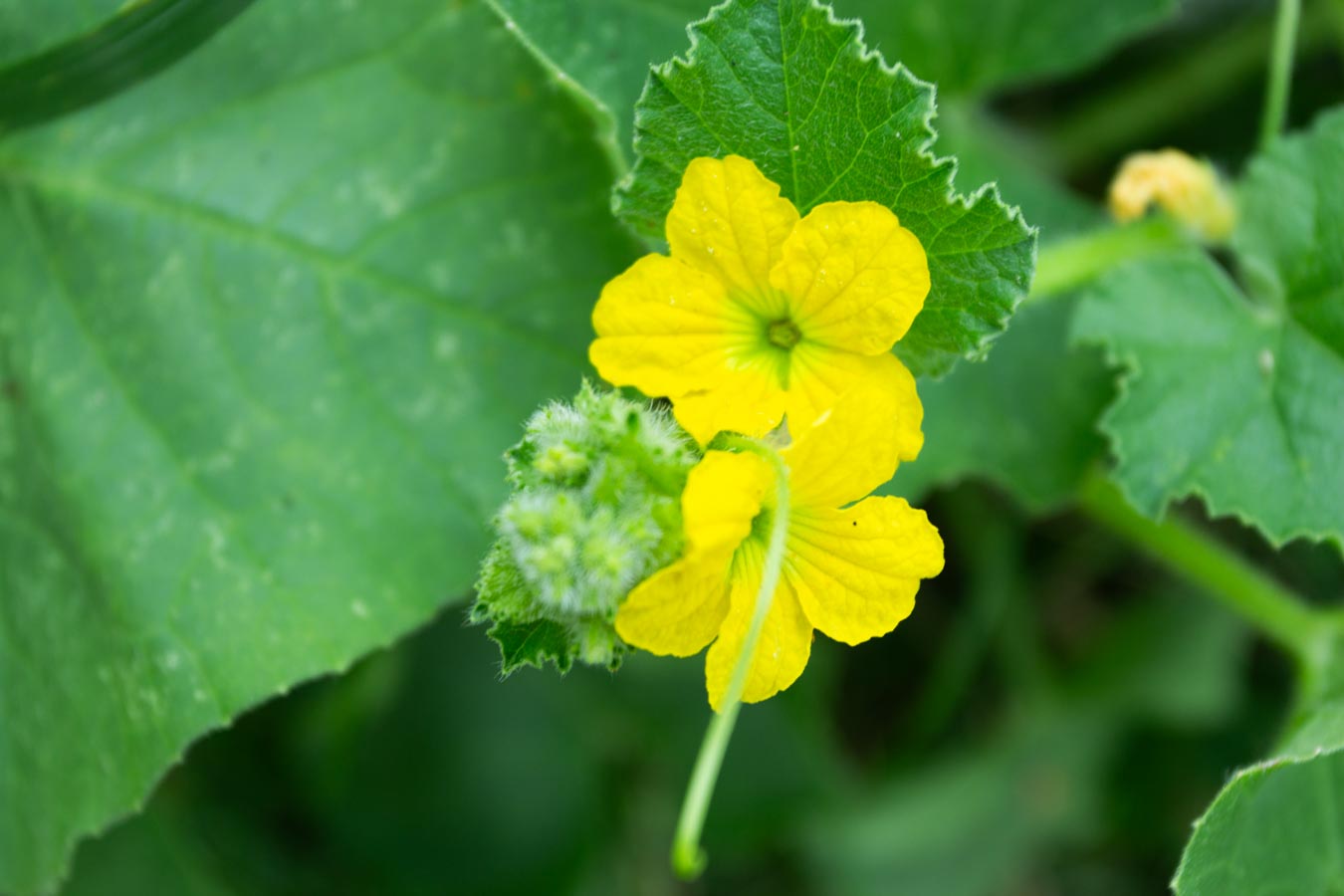
“October though it was, the garden was still very sweet with dear, old-fashioned, unworldly flowers and shrubs—sweet may, southern-wood, lemon verbena, alyssum, petunias, marigolds and chrysanthemums.”
— Anne of the Island, L. M. Montgomery, Chapter VI
This letter may contain affiliate links. As an Amazon Associate I earn from qualifying purchases, at no extra cost to you.
If you’re not planting a fall garden, you are really missing out! A variety of edible plants grow very well in cooler conditions. By September, many of the summer pests have died back. As a bonus, you don’t have to water your garden as often because the soil retains moisture on its own in the fall..
The fall garden extends the growing season by 2 or 3 months, depending on where you live. It is worthwhile to put some seeds in the ground and make it happen! It is wonderful to have fresh vegetables year-round.
When you have a busy schedule, the fall garden might feel like an impossible extra. But, it is pretty easy to start, and it largely takes care of itself.
Unlike the summer garden, the fall garden is very low maintenance. The pests are greatly reduced, and the ground stays more hydrated for longer.
Vegetables such as brassicas, root vegetables, and peas do very well in fall home gardens in the Midwest.
It is also a fun family project to watch new seedlings produce for harvest before the first frost in November.
A fairly easy and straightforward gardening project, the fall garden is a fun way to extend your growing season beyond the summer.
FALL GARDEN TIPS:
- If you are direct sowing, calculate 90 to 120 days backwards from your first frost date to allow seeds to mature.
- Check your garden center for end of summer deals on gardening supplies. The fall garden is less common than the summer garden, so many stores are liquidating their garden supplies.
- Don’t forget to begin the season with a hearty layer of mulch to keep moisture in the soil.
- When your fall garden is done, “put your garden to bed” for the winter by covering it with a generous layer of compost, mulch, and leaves.
- Read the back of your seed packets for the number of days to germination, how deep to plant the seeds, and how much sun the plant needs. If you plant your seeds too deeply, they will stay down there forever. If it is a heat loving plant, it will go better in the summer garden.
- Planting in early spring is slightly different than early fall. In the midwest, the spring garden is followed by six months of temperatures above 50 degrees F. In early fall, you are racing the clock to produce a harvest before the plant can no longer survive.
- Since you are planting your fall garden in such a warm month, keep your seeds hydrated after planting so they do not dry out. When seeds dry out, they fail to germinate.
FALL GARDEN FAQ:
What is a fall garden?
A fall garden is a secondary garden that follows the summer garden. Since many summer crops are harvested in August, there is still a good amount of time between August and the first frost in November to grow a second round of vegetables. However, since the temperatures are vastly different in the dog days of summer than they are in the crisp autumn, different plants thrive in the fall than they do in the summer. Many can be grown in both seasons, but other plants are more heat-loving or more cold-hardy.
Why should I plant a fall garden?
Many people enjoy the fall garden more than the summer garden for three simple reasons: 1. Most of the pests have died away by the end of August, leaving a golden opportunity for growing for several months before it turns too cold; 2. Weeds grow more slowly once the weather has turned cold, so there is less back breaking work to be done maintaining the soil; 3. Without the blazing sun drying everything out, the soil retains moisture much longer in the fall. Because of this, watering does not have to be as frequent.
What should I plant in my garden in the fall?
There are many varieties of vegetables that can grow in cool weather, including pumpkins, squash, beets, carrots, brussels sprouts, broccoli, potatoes, and cauliflower. But don’t stop there! There are many more plants that can keep producing well into chilly temperatures.
What vegetables can I plant late summer early fall?
In order to decide what you can plant in late summer, you will have to find your first frost date for your zone. The farmer’s Almanac website tells you when to calculate your first frost depending on your zip code. Count backwards from that 90 to 120 days, and begin planting around that date. Beets, carrots, radishes, rutabagas, turnips, peas, bush beans, cauliflower, broccoli, cabbage, chard, kale, spinach, mustard greens, lettuce, arugula, sorrel, bok choy, and cilantro can be planted in late summer.
Is it better to plant in the fall or the spring?
Due to the shorter days, the plants will expend more energy on the root system than they will in the spring. Because of this, the plants will grow stronger in the fall.
What vegetables can you plant in August?
Leafy greens, beans, and root vegetables can be started from seed in August.
Can you plant anything in September?
In September, you are within 60 days of the first frost in zone 6. September planting should be limited to leafy greens and 45 day radishes. Also, onion, garlic, and many brassica are frost hardy, meaning they can go beyond the first frost date. These can also be planted in September.
What month is best to plant in fall?
July- August is the best time to begin a fall garden, while it is still summer. Many fall crops require 3-4 months to reach maturity, so these have to be planted before autumn begins. However, September is the last month to plant new things. The beginning of September is about 60 days from the first frost, so it gives quick growing crops time to mature.

What is easiest vegetable to grow in the fall?
The easiest fall vegetables to grow are leafy greens and root vegetables such as radishes, parsnips, and carrots.
What vegetables grow fast in the fall?
Some of the fastest growing fall vegetables are arugula, bok chocolate, collards, spinach, and turnips.
Do tomatoes grow well in the fall?
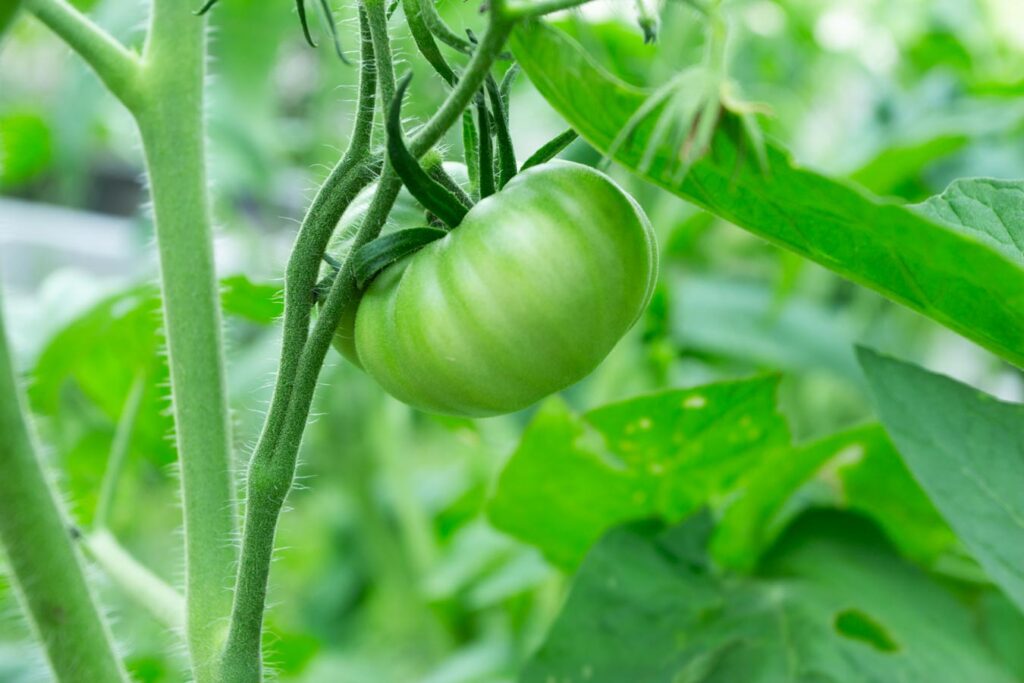
Tomatoes grow best in under 90 degree weather. They are not frost hardy, but grow well when the temperature drops slightly.
Can your fall garden go into the winter?
Kale, spinach, broccoli, brussels sprouts, peas, and collards are temperature hardy and may last beyond the first frost. (A few, including asparagus, rhubarb, artichokes, and others grow as perennials and never fully die back due to temperature.) However, most plants will perish by 32 degrees F, and the most cold hardy plants will perish by 20 degrees F. Keep tending them as long as you can!
What vegetables can survive a freeze?
Semi cold hardy vegetables such as beets, carrots, parsnip, lettuce, chard, and pea can survive frost. Cold hardy vegetables such as walla walla sweet onion, garlic, leek, rutabaga, and kohlrabi can be killed began 20 and 30 degrees F.
How cold is too cold for a vegetable Garden?
Many vegetables cannot withstand lower than 28 degrees F. The most cold hardy vegetables can go all the way to 20 degrees in the late fall, but most will die somewhere between 28 and 32 degrees.
When should I use a cloche in a fall garden?
If you think temperatures are going to dip early, you can cover the most temperature sensitive plants with a clear dome called a cloche. It becomes an Itty bitty greenhouse, helping preserve the temperature around the plant.
When should I use a row cover in a fall garden?
Row covers can extend your fall garden a bit by providing a greenhouse like environment around your plants. Plants that are semi frost hardy will last longer under a row cover.
How often should I water a fall garden?
Fall gardens do not need as much water as a summer garden. You can cut back from once a day watering to once a week, or even less.
What should I do with my summer garden plants when I plant my fall garden?
If they are still growing, keep them there and plant around them. If they have produced all they can, burn the remnants in a pile to destroy any pest eggs that may be on them. This will help you greatly during the next garden cycle!
What is a cold frame?
A cold frame is a clear enclosed box for growing plants. It is bottomless for placing directly into your garden. It provides a greenhouse like environment to protect your plants from the elements. The soil temperature in the cold frame should remain at least 9 degrees warmer than the temperature outside the cold frame.
When is the best time to start growing a garden?
In many climates, you can grow a garden 8-9 months out of the year. The key is to design a planting calendar around your first and last frost dates. Time the heat loving plants for the hottest part of the growing season, and the cold hardy plants for the coldest parts of the growing season. Each variety will take anywhere from 45 to 120 days to maturity, so you will have to time the planting and the harvest around these dates. In zones 2-6, most plants will not thrive for 3-4 months out of the year. Zones 7-9 will have to accommodate the reverse; many vegetable plants will not survive the hottest part of the year in those regions, rather than the coldest.
Can I plant a fall garden if I have sandy soil?
Soil that is too sandy will need soil amendments. Top your raised beds with high quality mulch, compost, and organic matter to help balance it out.
What does succession planting look like in the fall?
Succession planting is a technique to help gardens produce the most yield for as long as possible. Whenever there is a bare spot in the garden, fill it in with new seeds. You can do this up until about 45 days before your first frost. At that point, nothing new will live until harvest. However, save the seeds that require 120 days to maturity for the spring.
What is a tender crop?
Tender crops love the warmer weather and will not thrive as the temperatures drop.
Do I need a soil thermometer to garden in the fall?
Yes and no. Soil thermometers can be extremely helpful in determining what to plant, and where. However, in most regions, the temperature drops to freezing temperatures close to the same time every year, so many people grow a fall garden without the aid of a soil thermometer.
What warm season crops will not thrive in the fall?
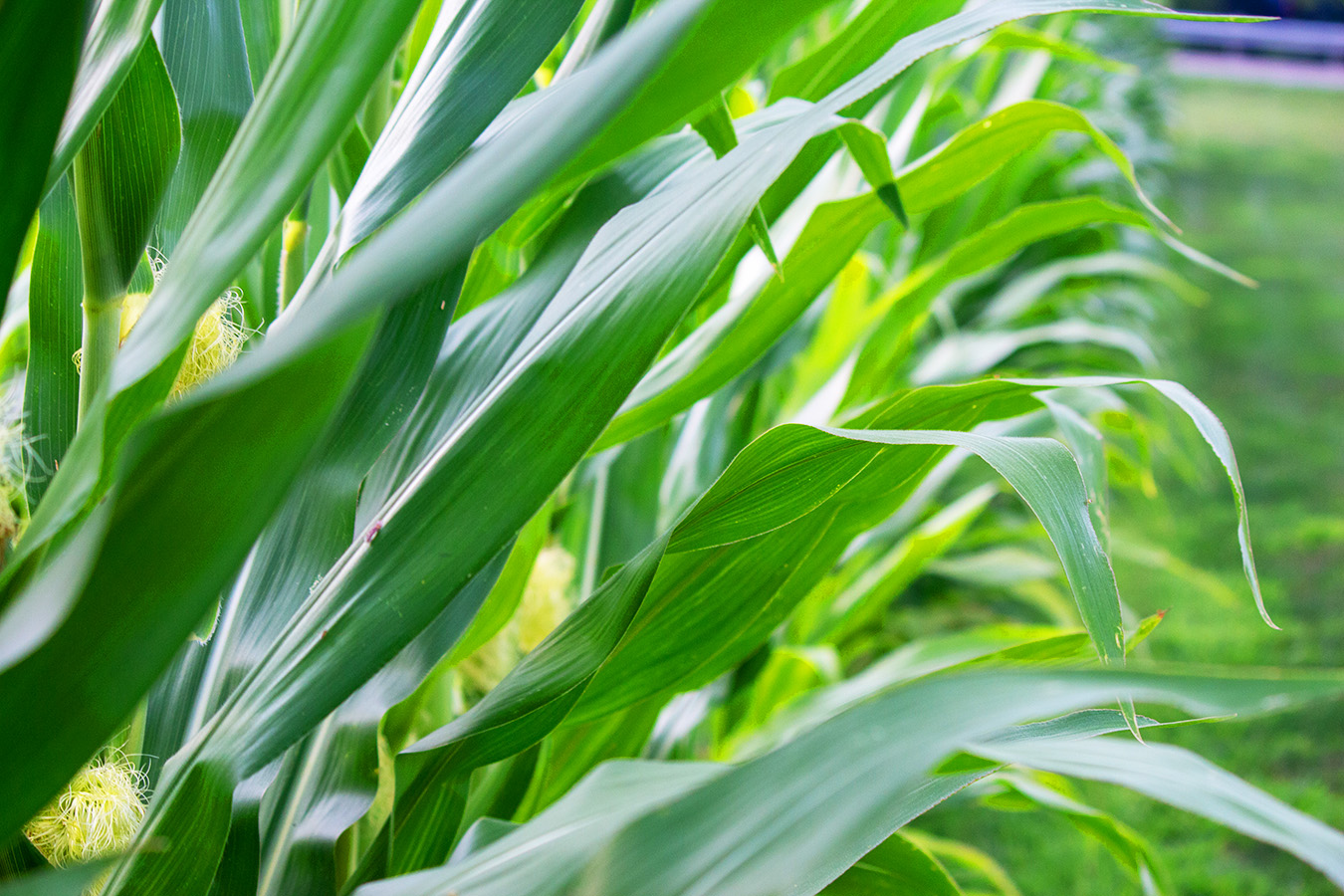
Corn, okra, eggplant, peppers, tomatillos, and melons thrive in heat and are not the best fall garden crop.
How do I prepare my soil for a fall garden?
Add a thick layer of mulch and compost to give your plants the biggest odds of success.
After I harvest my fall crops, how should I put my garden to bed for the winter?
Cover your soil with a thick layer of mulch, leaves, straw or hay, compost, and keep last year’s soil covered up.
What vegetables grow year round?
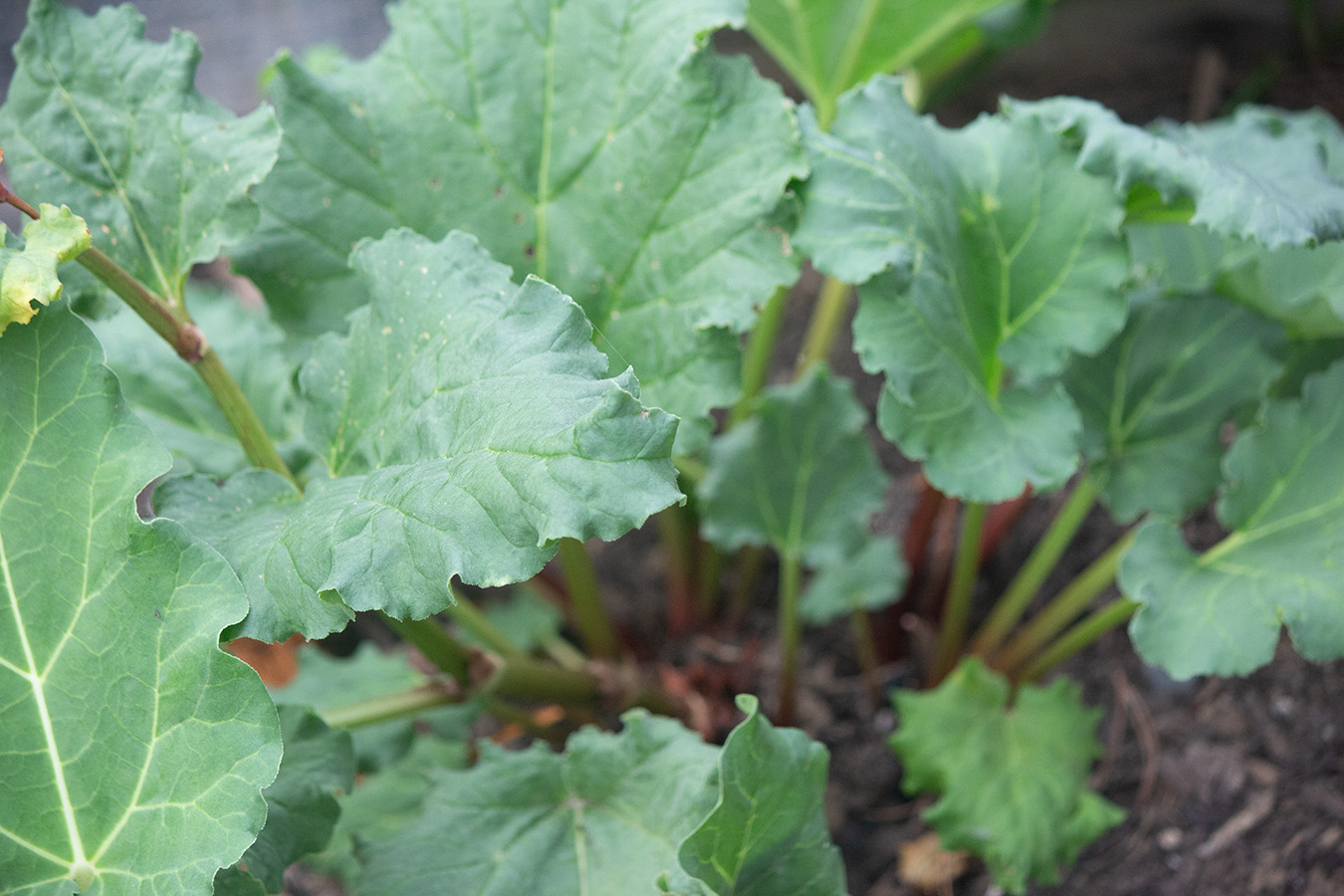
There are a handful of vegetables that can grow as perennials because they are so frost hardy. They are: globe artichokes and Jerusalem artichokes, asparagus, some types of scallions (onions), radishes, rhubarb, and sorrel.
Can I do a no-till garden in the fall, or should I till it?
A no-till garden is probably the best way to go in the fall because many of your summer plants will still be in the ground when you plant.
What are some fall gardening best practices?
Fall gardening is not just about gathering a harvest this season. While you are in the garden planting brassicas and cold loving leafy greens, take the opportunity to cut spent annuals, prune perennials back, and plant fall bulbs and garlic for blooming in the spring. Tidy up your space and start dreaming about next year’s garden!
Should I put my fall garden in the sun or shade?
Since Autumn is naturally less sunny than the Summer, most plants that thrive in the fall enjoy partial shade/ partial sunlight (About 6 to 8 hours per day). Plants that require full sunlight may not thrive when the days begin to shorten.
Should I cut my garden back in the fall?
Spent annuals should be cut back in the fall. Be sure to burn diseased foliage and anything that was exposed to pests. However, most perennial pruning should be done in the spring and summer, so the plant is not left with a wound that is exposed to the elements as the ground freezes. Don’t just cut everything back at the end of the season; some things will need to be pruned at the beginning of the growing season rather than the end.
FALL GARDEN SUPPLIES AND TOOLS:
- Mulch, including leaf mulch
- Compost, manure, and organic matter (I use this compost bin.)
- Handheld Garden Tool Set
- Seeds (I get mine from Baker Creek Heirloom Seeds and Johnny’s)
- Grow bags
- Harvest apron
- Rake
- Cloche set
- Cold frame
COOL SEASON VEGETABLES TO PLANT IN YOUR FALL GARDEN:
- Arugula
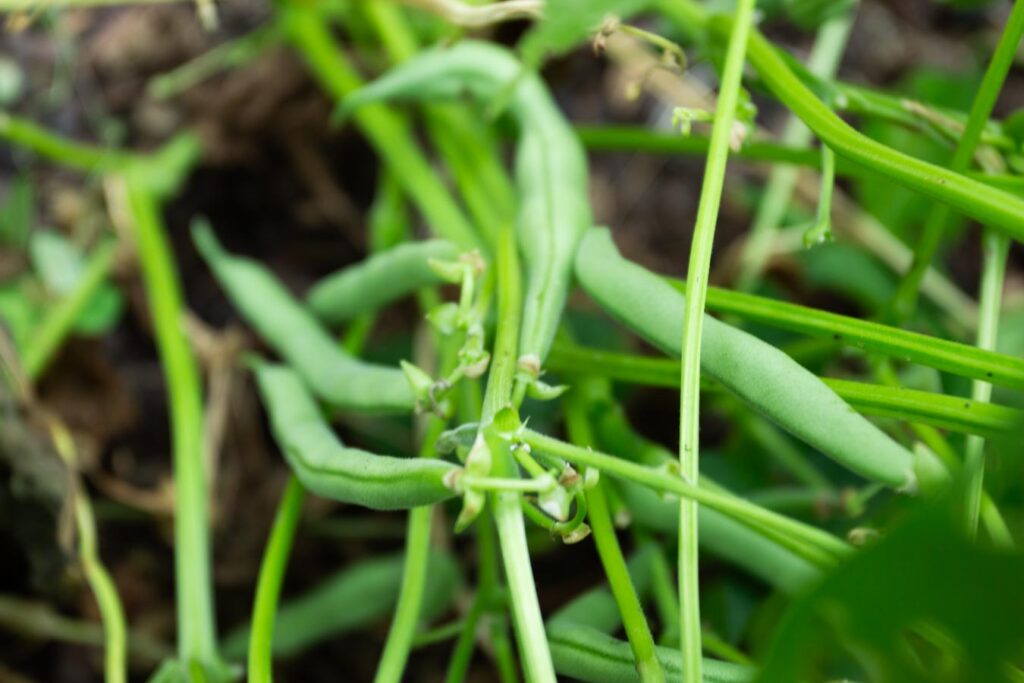
- Beans
- Beets
- Broccoli
- Brussels sprouts
- Cabbage
- Carrots
- Cauliflower
- Collard greens
- Garlic
- Kale
- Kohlrabi
- Leek
- Mustard greens
- Onions
- Parsnips
- Peas
- Pumpkins
- Radish
- Rutabaga
- Swiss chard
- Turnip
FAVORITE FALL GARDENING RESOURCES
- The Family Garden plan and The Family Garden Planner by Melissa K. Norris
- The Rooted Life by Justin Rhodes
- The Year Round Vegetable Gardener by Niki Jabbour
- Old Fashioned on Purpose by Jill Winger
- Welcome to the Farm by Shaye Elliott
- Seed to Seed by Suzanne Ashworth
- Storey’s basic country skills by John Storey
- The New Complete Book of Self Sufficiency by John Seymour
YOU MAY ALSO ENJOY…
- Homemade Whipped Cream Recipe – When you have a busy schedule, making your own whipped cream feels so “extra.” (As if Whipped Cream isn’t always extra!) But let me tell you, that this is not the case. This is a very easy recipe. It is such a treat to keep on hand or to make fresh, and it doesn’t take a lot of extra time. Young children especially really dig watching the liquid cream turn into soft peaks.
- Homemade Slow Cooker Yogurt Recipe – A few years ago, I didn’t even know it was possible to make my own yogurt at home. I assumed that it required some special ingredients and equipment. But, once I learned that you can do it in the crock pot in a very hands-off way (literally, just set it and forget it!) I was totally hooked. Store bought yogurt is comparatively SO expensive, and you can’t control the sugar and dyes they add to it unless you make your own. I was so used to buying it that I never considered that there was another way.
- When Gardening Goes Wrong – Gardening is time consuming, and it can be discouraging. However, the value is not merely in home grown produce or flowers. (Don’t get me wrong, that is a HUGE benefit, and the reason that people get into it in the first place!) Gardening is also a way to get closer to the earth, to get closer to our food sources, to spend time in nature without screens. The process is just as valuable as the end product. Gardening is an education – and, as you keep doing it, you will definitely “level up” and learn how to mitigate challenges. The good news is, anyone can garden.
- Sourdough Lemon Pound Cake Recipe – When you are busy with children, schooling, work, household stuff, making a pound cake sometimes feels as likely as going to the moon. Especially a sourdough one. But, it is really pretty simple. I whipped this one up in just a few minutes. Kids love to dump the ingredients in, too, and watch the mixer spin the paddle around.
- A Simple yet Beautiful Charcuterie Board – How hard are charcuterie boards to make? A beautiful spread of meat, cheese, dip, and other flavors looks so intimidating to make. In order to make it look like an art form, how much talent do you really need?


3 Comments