“The skipping-rope was a wonderful thing. She counted and skipped, and skipped and counted, until her cheeks were quite red…”
— The Secret Garden, Frances Hodgson Burnett, Chapter VIII
This letter may contain affiliate links. As an Amazon Associate I earn from qualifying purchases, at no extra cost to you.
With handheld devices on the rise and literacy on the decline, I often wonder what the influx of screens is doing to our children. I constantly wonder, “are their brains growing at the proper rate? Are they over stimulated? Are they learning what they need to learn? How do we fix this without living in a cave and disengaging from the world? Is it even possible to have screen free kids?”
As with everything, Lagom. Moderation. Balance.
It is definitely more work to reduce screen time in the house because kids are naturally noisy, messy, and chaotic. But, it is a joyful chaos (even the moments that are not so joyful), and raising them from scratch is meaningful work.
I sometimes feel that I was born in the wrong era, that I really desire a time when people read books and washed their laundry by hand. But even so, we are not a completely screen free household. (We do watch movies and use our smartphones and things like that because it is so hard to avoid.) However, I can see the benefits of moderation, and I am trying to find the best ways to create space for real life, so the days and years are not sucked into an artificial vortex.
You do not have to elaborately plan, organize, or agonize over screen free activities since many of them are so simple. A spontaneous game of freeze tag followed by popsicles on the back porch is instantaneous and fun, and everyone benefits from sunshine and a little bit of activity. Zero supplies, zero planning since ingenuity is often inspired by boredom. Once you are in the rhythm, a lot of screen free activities are like that.
First and foremost, children need to know how to occupy their own free time in constructive ways in order to learn how to manage their own opinions and feelings. The parents should not necessarily feel that they have to constantly entertain the kids because their brains need to grow into the process of self-occupying. I grew up before cell phones, and I remember spontaneously making cookies or reading through a book as a child. My brothers were the tree climbing types, but I was more likely to stay inside and read.
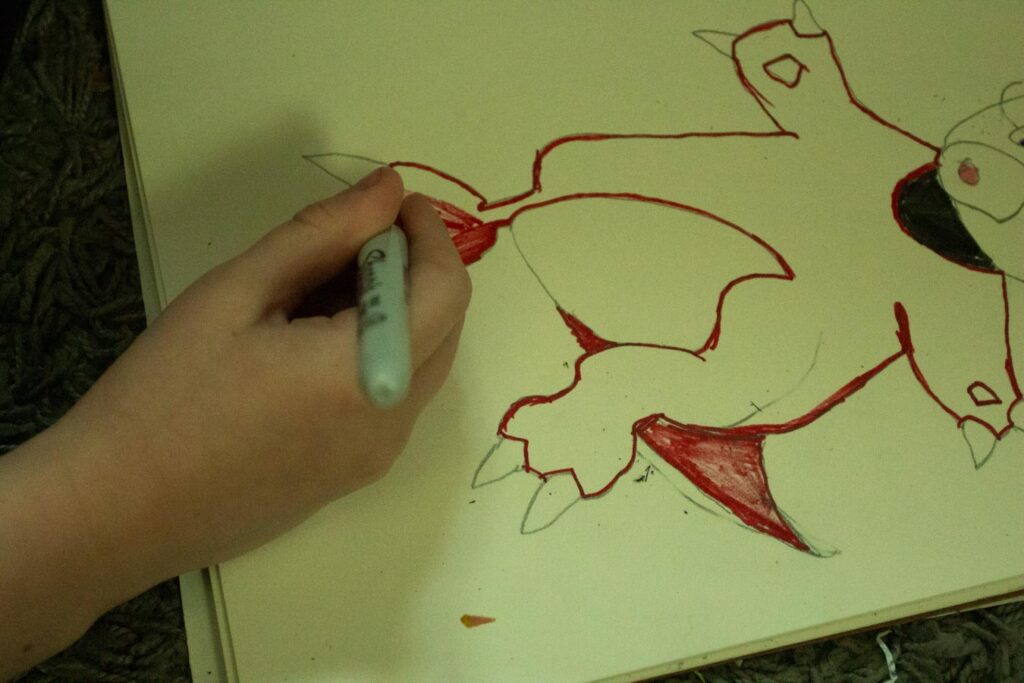
Right now, my son has had an art breakthrough, largely due to curiosity and a desire to occupy his time. His whole life up to now, he has not enjoyed drawing because blank slates were overwhelming. However, he has recently discovered that he loves drawing cartoon characters. He will often spontaneously listen to an audio book and draw when he is bored. It thrills my heart to see him using his talents.
Can you even have screen free kids in this day and age since everyone has a smart phone? Maybe – some more than others. (Over here, we are working on it, but it is not a perfect science.) Can you teach them to make time for real life and to carve out time to do real activities? Heck, yes. It IS possible because many people have successfully gone screen free.

THE NEGATIVE EFFECTS OF SCREENS ON CHILDREN
- Overloads the sensory system
- Breaks their ability to focus
- A thinner cortex – literally, a smaller brain. (Source: Adolescent Brain Cognitive Development Study)
- Increased stress and anxiety
- Disrupted sleep patterns
- Increased risk of OCD and ODD
- Inhibited language/ literacy development
SCREEN FREE KIDS TIPS
- Instead of going cold turkey, implement screen hours and non screen hours to reduce the amount of pain in changing the norm. Make the rules clear about when screens are allowed and not allowed, and stick to them.
- Create a reward system in order to motivate them to earn their screen time. They should earn every 15 minutes of screen time in exchange for playing outside or reading a book.
- Read out loud to your kids regularly in order to build their language skills. Reading aloud is a huge benefit to their brains in order to teach them proper language, and it makes memories, too!
- Encourage them to play outdoors, such as bike riding, tag, and swimming.
- Involve kids in what you are doing in order to make everyday things educational. If you are making muffins, they might enjoy cracking the eggs or stirring the batter. Take the time to allow them to look closer and discover in order to help their brains grow.
- Don’t allow screens at the dinner table in order to foster actual conversation.
- Join a 4-H club. You won’t even miss the screens!
FAQ:
HOW CAN I GO SCREEN FREE WITH KIDS?
Provide them with other things to do in order to help distract from screens. (This does not have to be overwhelming!) Once kids are used to not having screens, they are often spontaneously creative. They can play with Legos, build a couch fort, or play outside in order to pass the time. Read together in order to build strong relationships and memories. Involve them in what you are doing in order to teach them. They will adapt and start to fill their time with things they enjoy because that is what human brains do: we fill gaps and add value to the margins in between other things.
SHOULD KIDS GO SCREEN FREE?
Literacy rates are dropping, as well as critical thinking/problem solving skills. Children who read, build, draw, or play outside develop healthy brain patterns as they grow because they are constantly exercising their brains. You only need to guide them and give them a healthy framework for their discoveries since a lot of the process happens on its own in the right conditions!
HOW DO YOU KEEP CHILDREN AWAY FROM SCREENS?
Our culture by-and-large is fairly cell phone dependent, so it is hard to put your cell phone away and never use it. But, when you don’t need to use it for something specific, put it away and don’t “doom scroll” through the apps. If your whole family is occupied with life and less with screens, the kids will have other priorities besides screens.
WHAT CAN I DO WITH MY KIDS OTHER THAN USE SCREENS?
There are so many things you can do, and a lot of it doesn’t require any extra preparation. Encourage them to play outside, or take out a zoo membership and spend the whole day there in order to make some memories together. Give your kids their own garden plot to plant seeds in order to add value to the seasons as they roll by. Help them find a book that they enjoy and read it together to build linguistic skills.
DO SCREENS CAUSE ANXIETY IN CHILDREN?
Excessive use of screens causes a thinning of the cortex, which results in a shorter attention span and higher anxiety in children. As with everything, moderation is key, so give them other things to do and encourage them to balance their screen time with their other activities.
DO SCREENS CAUSE TEMPER TANTRUMS?
If screens are used to soothe toddlers, the end of a video clip could trigger a temper tantrum. Encourage your toddlers to soothe using blankies, loveys, and other things without using a screen.

101 SCREEN FREE ACTIVITIES
- Bake cookies together.
- Barbecue hot dogs and hamburgers as a family.
- Build with an erector set and see who can build simple working machines.
- Build a campfire to roast hot dogs and s’mores.
- Build a couch fort, including the cleanup.
- Build things out of cardboard boxes, such as pretend houses and tunnels.
- Camp in a tent in the backyard overnight.
- Collect different types of flowers and press them.
- Color with crayons or colored pencils.
- Crochet.
- Decorate for a holiday or season.
- Decorate the sidewalk with sidewalk chalk. Create outlines and experiment with letter art. Make a hopscotch course.
- Do a puzzle.
- Do mad libs. (Bonus: It is also a great way to teach parts of speech.)
- Draw in a sketch pad using drawing prompts.
- Draw in a nature journal.
- Finger paint on a giant mural.
- Fold paper airplanes and see who can make them fly the furthest.
- Get together with another family.
- Go bowling.
- Go fishing.
- Go on a treasure hunt.
- Go roller skating or rollerblading.
- Go skateboarding.
- Go stargazing and identify the different constellations.
- Go to a baseball game.
- Go to a drive in movie.
- Go to an ice cream stand.
- Go to the zoo.
- Have a tea party.
- Host a chili cook-off with friends.
- Jump on a trampoline.
- Join a 4-H club.
- Knit.
- Learn Euchre or other card games.
- Learn how to hula with a hula hoop.
- Learn some old games such as Red Rover or a three legged race.
- Learn yard games such as croquet or bocce ball.
- Listen to audio books.
- Listen to Adventures in Odyssey.
- Look at family photo albums together.
- Look at a globe or map together and learn the names of faraway places.
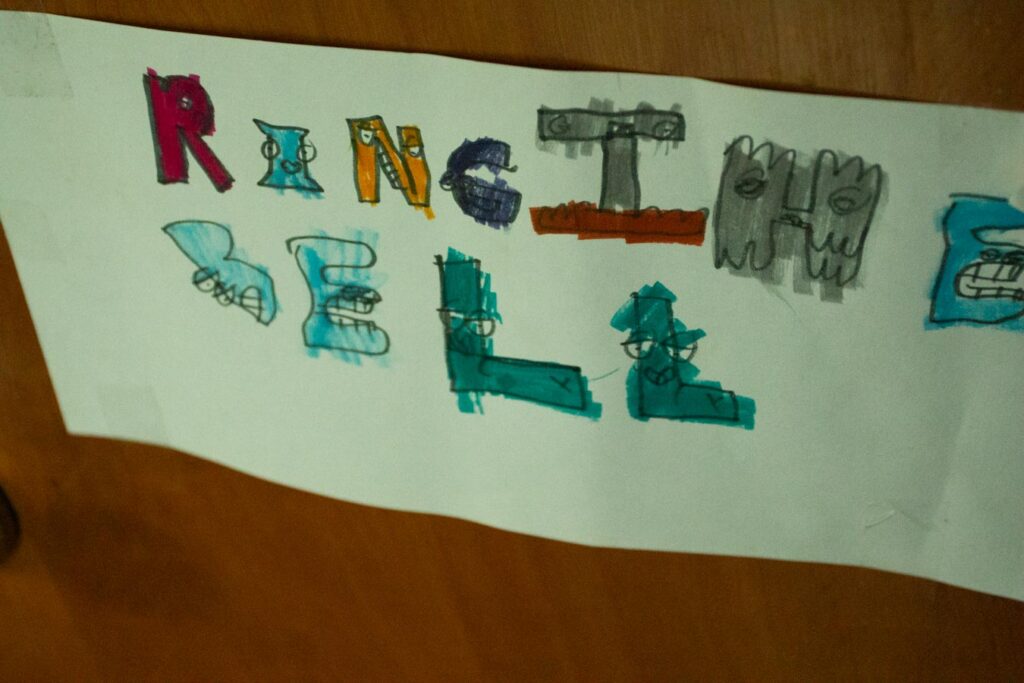
- Make a happy birthday banner for the next birthday in your family.
- Make a card.
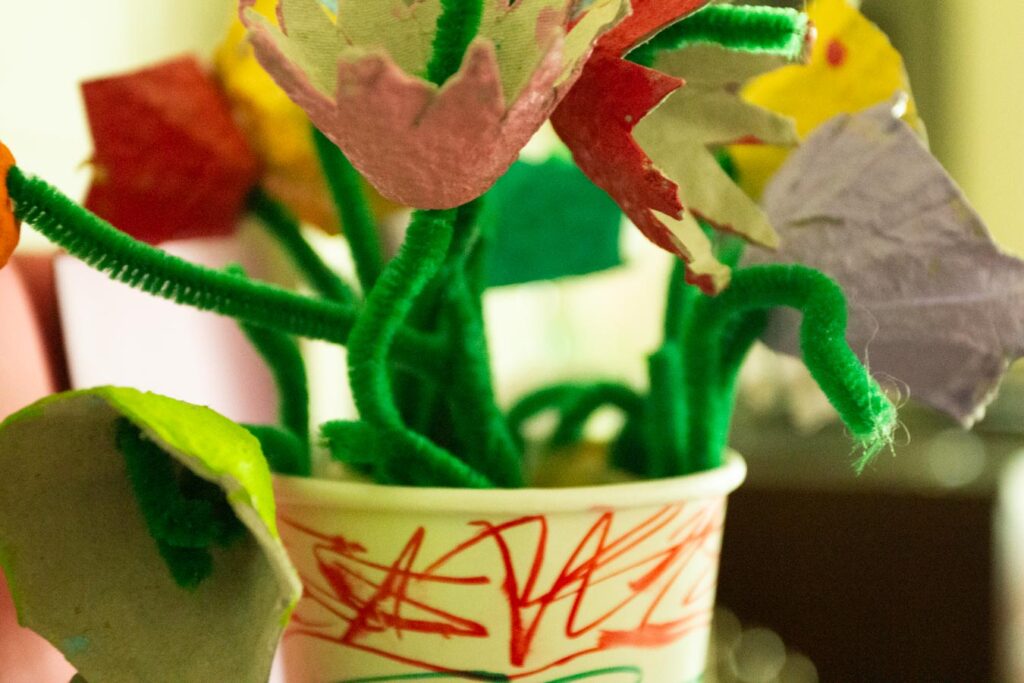
- Make a craft, such as finger puppets or yarn dolls.
- Make chocolate sundaes. Don’t forget the sprinkles.
- Make dinner together. Even the simplest meals can be an enjoyable activity.
- Make epic bubbles using detergent.
- Make friendship bracelets out of embroidery floss.
- Make homemade popsicles. Experiment with new flavors.
- Make lemonade, or try lemonade slushies.
- Make paper dolls and create changes of clothes for them.
- Make puppets out of paper bags with googly eyes.
- Make sand art.
- Make your own comic book.
- Pick flowers.
- Pick strawberries.
- Picnic outside.
- Plant seeds together.
- Play a game of telephone.
- Play football.
- Play good old-fashioned leap-frog, tag, or hide and seek.
- Play hot potato or I Spy.
- Play in the backyard.
- Play in the sprinkler.
- Play paper games, such as word searches or mazes.
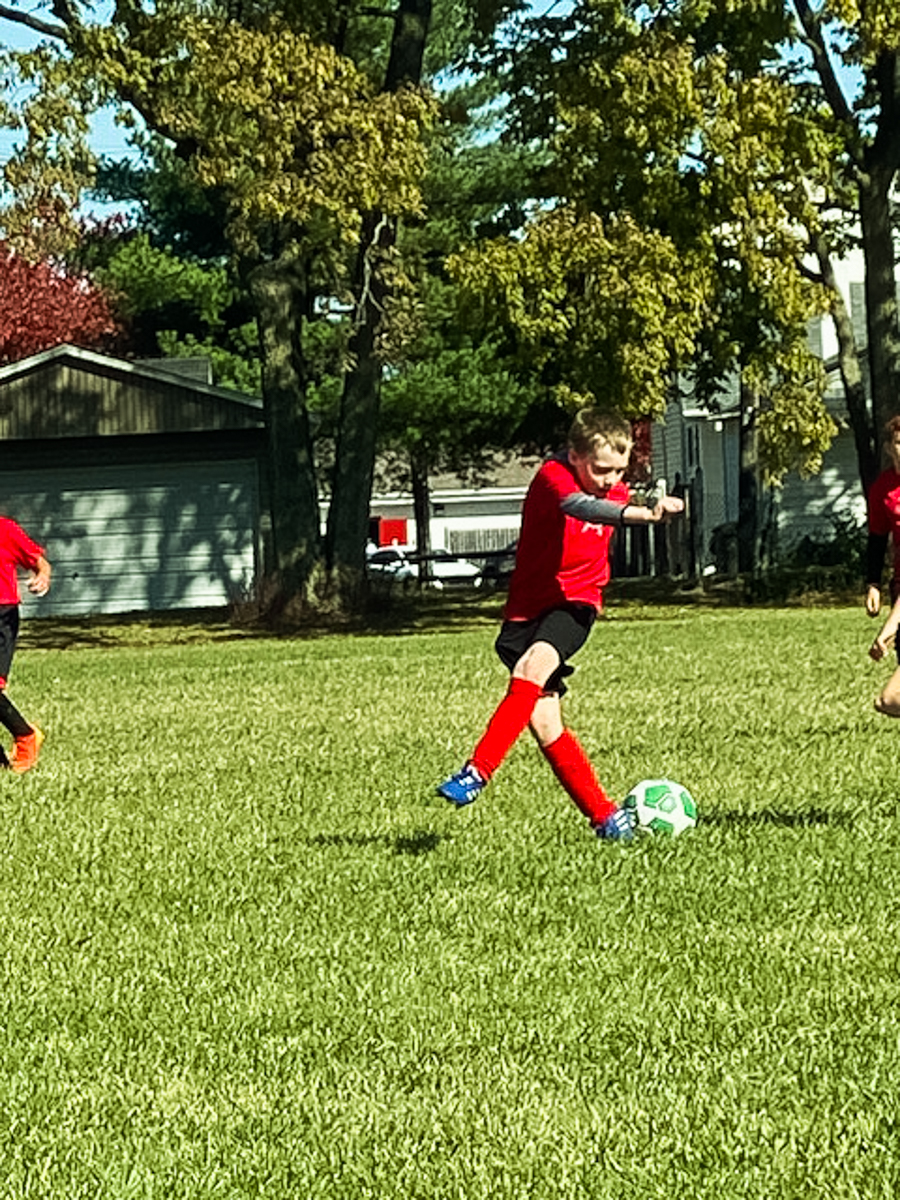
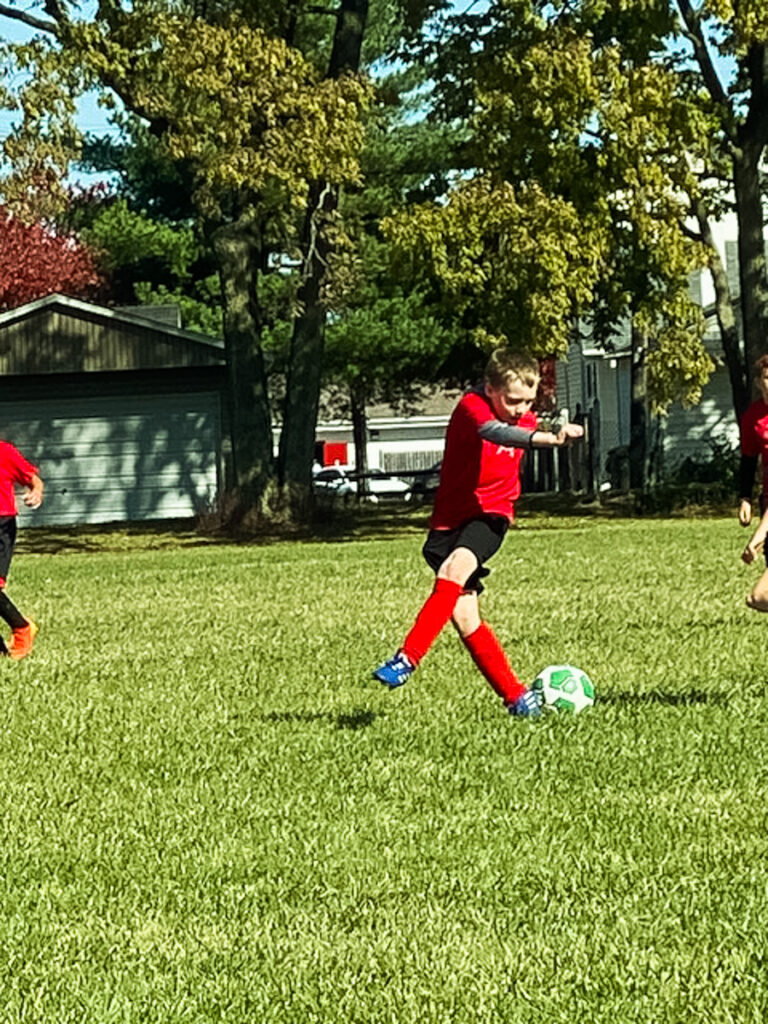
- Play soccer, basketball, or volleyball.
- Play solitaire.
- Play the piano.
- Play with Legos.
- Play with Lincoln logs and try to recreate a frontier scene.
- Play with Tinker Toys.
- Read about inspiring historical role models, such as Martin Luther, Florence Nightingale, or Harriet Tubman.
- Read together (Especially if it is a rainy day. So cozy!)
- Ride a scooter.
- Ride bikes.
- Sketch people, animals, or plants.
- Set up a baked potato bar with sour cream, cheese, chili, chives, and butter.
- Set up a water table for simple water play.
- Sew a small pillow with basic stitchery.
- Sing together and learn some new songs. Learn 4-part harmony.
- Spend time with family members.
- Start a collection of coins, stamps, baseball cards, or vinyls.
- Start a game of marbles, jacks, or hopscotch.
- Take a walk.
- Take a screen free road trip to sightsee.
- Take photographs of nature.
- Teach classic games such as cat’s cradle or tic tac toe.
- Teach nursery rhymes and poetry. Take turns reciting it out loud until you have memorized it.
- Read a short scene from a play aloud together, with everyone taking a part.
- Toss water balloons.
- Try a hoverboard.
- Try origami.
- Use a handheld loom to weave potholders.
- Visit a neighbor.
- Visit the beach and take a long walk.
- Walk the dog.
- Watch fireworks.
- Watercolor.
- Write cards to friends and family.
- Write in a journal.
ANGELA’S PICKS
- Books: Little Women, Anne of Green Gables, Little House on the Prairie, Heidi, Thornton Burgess, Patricia St. John, The Merry Wives of Windsor (William Shakespeare)
- Games: Marbles, Jump Rope, Hula Hoop, Cat’s Cradle
- Crafts: Pot Holders, Crocheting, Sewing
Merry Wives of Windsor is one of Shakespeare’s most light hearted comedies, where two wives are being seduced by the greedy Falstaff in pursuit of money. Don’t be fooled, they are smarter than Falstaff gives them credit for. They foil him multiple times over as the audience roars with laughter. My son performed in an unabridged production of Merry Wives at the age of 12 at his school. Since Shakespeare was meant to be watched, this story came to life off the page. I highly recommend finding a local production of Merry Wives to enjoy.
SCREEN FREE TOOLS/SUPPLIES
- Art supplies – Sketch Pad, Watercolor Pad, Pencils
- Board games and card games such as Uno, Monopoly, and Clue.
- Books such as Old Mother West Wind, Charlie and the Chocolate Factory, The Magic Treehouse, and Ramona the Pest.
- Soccer ball, volleyball
- Tactile games such as watercolors, play dough, modeling clay, finger paint
RESOURCES
- 1000 Hours Outside with Ginny Yurich
- The Dangerous Book for Boys by Conn Iggulden
- The American Boy’s Handy Book by Daniel C. Beard
- The Daring Book for Girls by Miriam Peskowitz
YOU MAY ALSO ENJOY…
- A Simple yet Beautiful Charcuterie Board – How hard are charcuterie boards to make? A beautiful spread of meat, cheese, dip, and other flavors looks so intimidating to make. In order to make it look like an art form, how much talent do you really need?
- When to Plant a Fall Garden – If you’re not planting a fall garden, you are really missing out! A variety of edible plants grow very well in cooler conditions. By September, many of the summer pests have died back. As a bonus, you don’t have to water your garden as often because the soil retains moisture on its own in the fall.
- Easy Homemade Granola RecipeA beautiful, crunchy texture with a hint of maple, vanilla, and toasted nuts.
- DIY Dish Detergent – This all natural dish detergent recipe is perfect for soaking those larger pots with stuck-on food, or hand washing a load of dishes in the kitchen sink.
- Crunchy Dill Pickle – This crunchy dill pickle recipe is crisp, tart, easy to make, and everything a pickle should be. If you have an abundance of fresh cucumbers and dill, this is a great recipe to keep in your back pocket.
If you’d like the next letter in your inbox, you can join me here.