


“First he ate some lettuces and some French beans; and then he ate some radishes…”
— The Tale of Peter Rabbit, Beatrix Potter
This letter may contain affiliate links. As an Amazon Associate I earn from qualifying purchases, at no extra cost to you.
Looking to plant vegetables that are easy to grow? Try green beans and peas.
Many first-year gardeners feel discouraged at the end of the growing season and faced the reality of low yields due to poor soil quality, pests, over or under watering, or you name it. If this is happening to you, you will need some quick wins. Some crops are harder to grow than others, and every gardener faces times when certain plants thrive while others die. Green beans and peas are very simple: you direct sow them (no seed starting!) and they will produce heartily for you.
Green beans and peas are very forgiving plants, and they are not subject to the annual assault brought about by squash vine borers, tomato hornworms, or other common pests that plague other vegetable plants. (However, you will have to watch for aphids and powdery mildew and a few other pests.)
The two things you will have to focus on is soil quality and watering. If you mulch your beds and give them a good dose of natural fertilizers, such as low acid manures and compost, they will produce a great harvest for you year after year. They will grow in both warm and cool weather.
When I was a struggling beginning gardener, often my only successful crop was green beans and peas. In the years since, when I began to bring in more tomatoes, squash, and brassicas, I often wished I had planted more green beans and peas to add to my abundant harvest.
Garden peas can be sown in early spring, as soon as the soil can be worked. Green beans are not able to be planted until after the last frost, when the soil has warmed. Instead of trying to grow them in February, sow the peas when the soil is workable, and plant the beans directly in the ground in May (or whenever your last frost is.) Just choose a spot with full sun, make a quick furrow in the soil, add a row of seeds, cover them up, and water them. They will grow, whether summer or fall!
(I often grab a pod and eat it right off of the plant while I am in the garden. The pods, too, are edible.) They are healthy for your body, and a quick win such as this is good for your mind and your soul, too. You CAN grow your own food, even if it is beginning with just peas and beans.
You can go to the lengths of canning green beans and peas, and they are often DELICIOUS if you do. However, if you get a small crop, the simplest thing to do is to shell the peas, quickly blanche the green beans, and stick them in the freezer.

TIPS FOR GROWING GREEN BEANS & PEAS
- Green beans and peas are nitrogen fixers, which means that they will infuse the soil with nitrogen. It is good to move them around from year to year so the plants that follow them will receive the benefits of the nitrogen that they put into the soil.
- Don’t try to transplant these seedlings because their root system does not like to be disturbed. Grow directly in place!
- Green beans and garden peas are not big fans of anything in the scallion family: onions, garlic, leek, shallots, chives, etc. Grow them separately from the onions for best results.
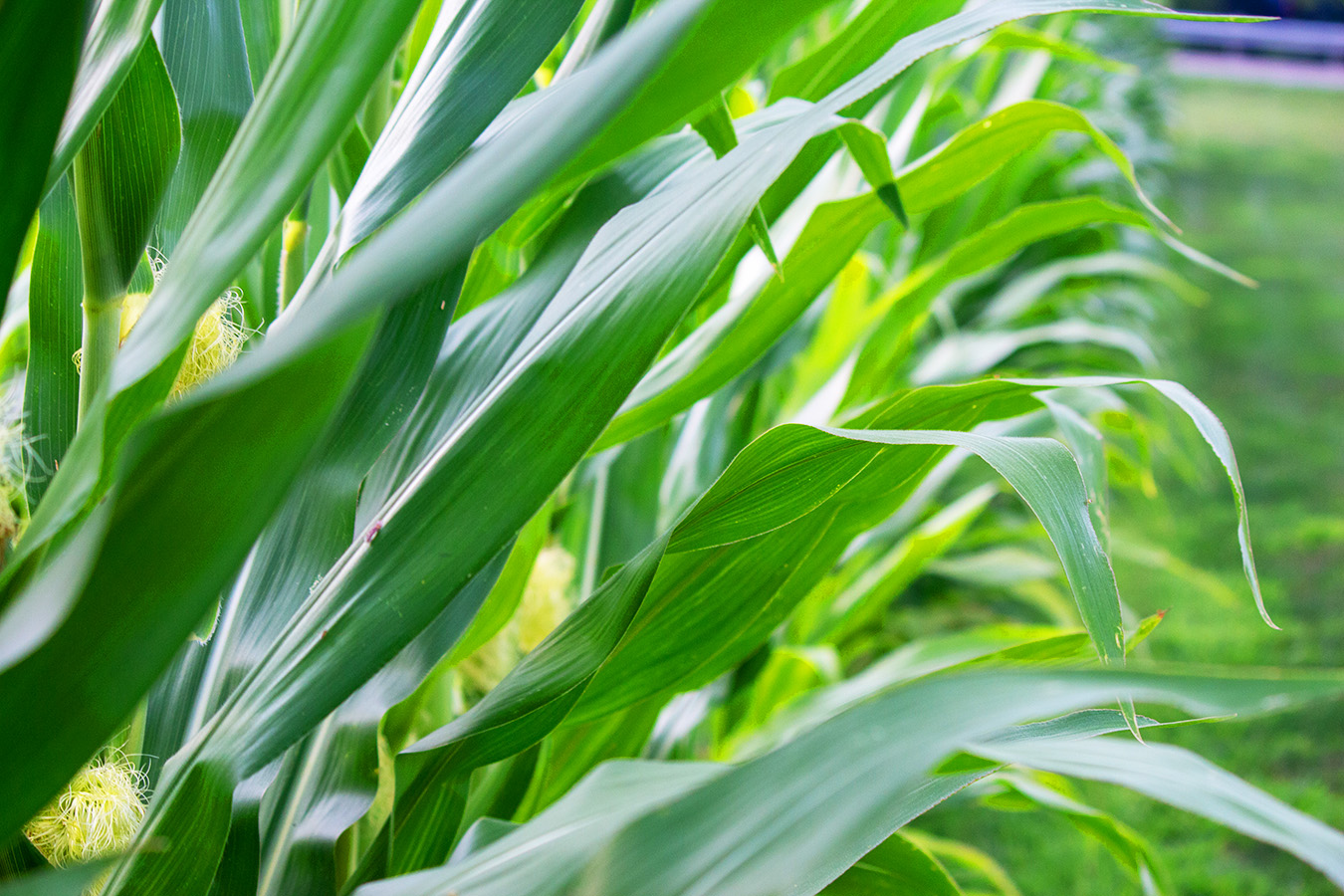
- Peas grow well with corn, tomatoes, and turnips.
GREEN BEANS AND PEAS FAQ
Do peas come back every year?
Peas are annual crops, meaning that you have to begin with new seeds each year. However, if you discover a pod that dried on the plant, you can save it to plant again the next year.
How many peas do you get from one pea plant?
Your yield should be approximately ½ cup per plant.
Do peas keep growing after picking?
Pick your peas every day to encourage new growth because harvesting will stimulate the plant to produce more. They will keep going for several weeks.
How long does it take to grow peas and green beans?
Peas will germinate within 2 weeks. Green beans vary (whether pole or bush) from 50 to 65 days to
maturity.
How often should I water green beans and peas?
Water your green beans and peas once every day to every three days, depending on how dry your
climate is.
Can I harvest green beans and peas every day?
Pick green beans and peas every day to encourage the plants to continue producing.
Why aren’t my green beans thriving?
There are several reasons why your green beans might not be thriving. The soil could be overly wet, dry, or simply not fertile. Continually add compost and check the moisture in your soil before watering.
What is eating the leaves of my green beans and peas?
The biggest pests for green beans and peas are: powdery mildew, aphids, bean leaf beetles, Mexican bean beetles, and cucumber beetles. Try a dose of diatomaceous earth to eliminate them.
How many plants should I plant per person?
A good rule of thumb is to plant 10 to 15 plants per person in your household.
What does overwatering look like?
When your plants have had too much water, they will be limp, yellowed, and wilting.
How late can you plant green beans?
Plant green beans up until August for a harvest all growing season.
What can I plant green beans and peas next to?
Plant green beans and peas next to tomatoes. The plants feed off of each other in a symbiotic
relationship.
Do green beans like to climb?
Pole beans will climb up any trellis you give them. Bush beans do not climb.
Is there a maximum temperature for growing green beans and peas?
Temperatures up to 85 F are conducive to growing green beans and peas, or a soil temperature of up to 77 degrees F. When the temperature is higher than that, they may struggle in the heat.
What if I don’t harvest all the green beans and peas?
If you leave pods on the vine, they will dry out, and the plant will fail to produce more after it. The dry pod will become too tough and stringy to eat. However, you can save the dry pod until the next spring and re-plant it for more green bean and pea plants.
After I picked all the pods, how do I prepare the green beans and peas?
For green beans, simply snap the stem end off before blanching. Peas should be “shelled.” Put the peas in a bowl and return the pods to the compost.
Are peas and green beans perennials?
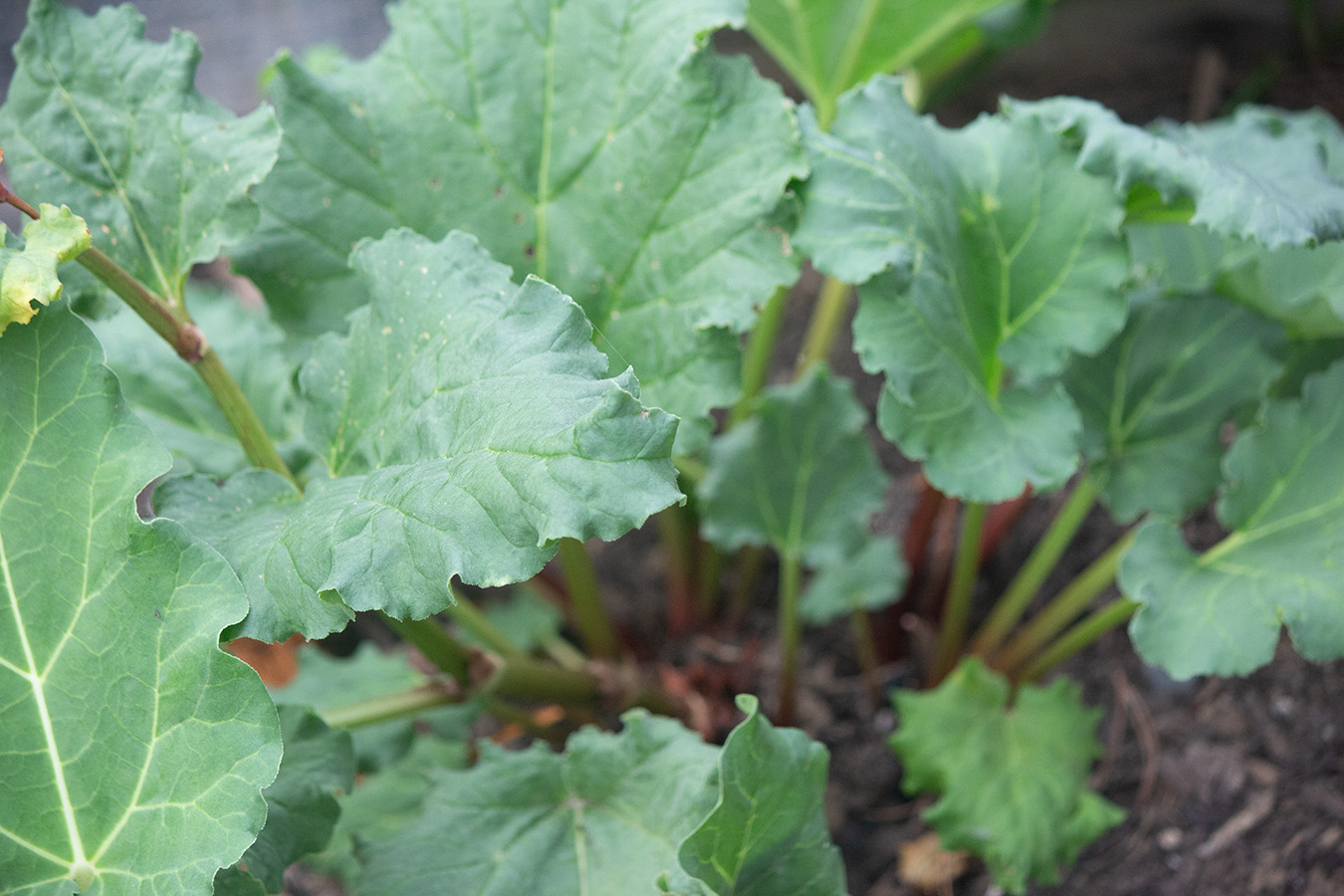
The only perennial vegetables are asparagus, artichoke, and rhubarb. Green beans and peas, like brassicas, squash, tomatoes, and corn, must be re-planted every year.
Do green beans and peas produce more than one crop?
You can harvest green beans and peas every day until the plant stops producing fruit, which is about
three weeks.
What’s the secret to growing good green beans and peas?
Add mulch and compost to your soil. Keep the soil hydrated, but not too wet. They do not like standing water or poorly drained soil any more than they do dry and dusty soil.
How can I save my harvest to use slowly over time?
Green beans can be pressure canned, pickled, dried, frozen, or eaten fresh. Peas should primarily be frozen. It is possible to can or dehydrate peas, but freezing seems to be the way to best preserve the fresh taste and texture.
If I don’t eat the green beans and peas I grow, what can I do with them?
Peas can be fed to many animals or livestock as animal feed if you do not eat them yourself. Many people with animals will save any parts of the crop that are withered or wrinkled and feed it directly to the animals.
Why are my green beans not producing well?
Most likely, a mature green bean plant that is not producing is suffering from either over or under watering. Otherwise, maybe it is not mature enough to produce yet.
How do you know that green beans are ready to harvest?
A green bean that is ready to harvest is going to be a few inches long with tiny interior seeds. If the pod is bulging from the seeds inside, it has grown too much to be edible. However, you can re-plant the aging pod the next year.
Do green beans and peas like coffee grounds?
Coffee grounds are a great fertilizer for your compost. Add your daily coffee grounds to your compost pile and top your raised beds off in between seasons. It will help them produce greatly.
Do pole beans or bush beans produce more?
Pole beans grow upward, so the plants are taller and produce more beans.
Do green beans and peas like eggshells?
Crushed eggshells are a great addition to your compost because of the calcium. They also deter slugs and flea beetles in the garden, as a bonus! You can either grind them up and put them directly into your soil, or you can include eggshells into your compost bin and return them to your compost beds that way.
GARDENING TOOLS
- Green bean seeds
- Pea seeds
- Handheld Garden Tool Set
- Kneeling Pad
- A raised bed with fresh compost and mulch (Most of my beds came from FB Marketplace, but I have one set of these raised beds as well.)
- A garden hose and watering can
- Epsom Salts
- Salt Spreader
YOU MAY ALSO ENJOY…
- Easy Homemade Granola RecipeA beautiful, crunchy texture with a hint of maple, vanilla, and toasted nuts.
- DIY Dish Detergent – This all natural dish detergent recipe is perfect for soaking those larger pots with stuck-on food, or hand washing a load of dishes in the kitchen sink.
- Crunchy Dill Pickle – This crunchy dill pickle recipe is crisp, tart, easy to make, and everything a pickle should be. If you have an abundance of fresh cucumbers and dill, this is a great recipe to keep in your back pocket.
- 101 Screen Free Activities for Kids – With handheld devices on the rise and literacy on the decline, I often wonder what the influx of screens is doing to our children. I constantly wonder, “are their brains growing at the proper rate? Are they over stimulated? Are they learning what they need to learn? How do we fix this without living in a cave and disengaging from the world? Is it even possible to have screen free kids?”
- All Natural Homemade Play Dough – This is an easy, all natural, non-toxic way to keep your littles occupied while you make dinner or take care of the house. It is completely edible and guilt-free to toss in the compost when it begins to dry out.
3 Comments