


“The sheets and pillow-slips were fragrant with lavender, and one of Grandmother King’s noted patchwork quilts was over us.”
— The Story Girl, L. M. Montgomery, Chapter I
This letter may contain affiliate links. As an Amazon Associate I earn from qualifying purchases, at no extra cost to you.
Jump to RecipeI was delighted to make my own nontoxic DIY Fabric Softener. I don’t love the scents and harsh chemicals of traditional fabric softener, so I have been doing it on my own with natural ingredients.
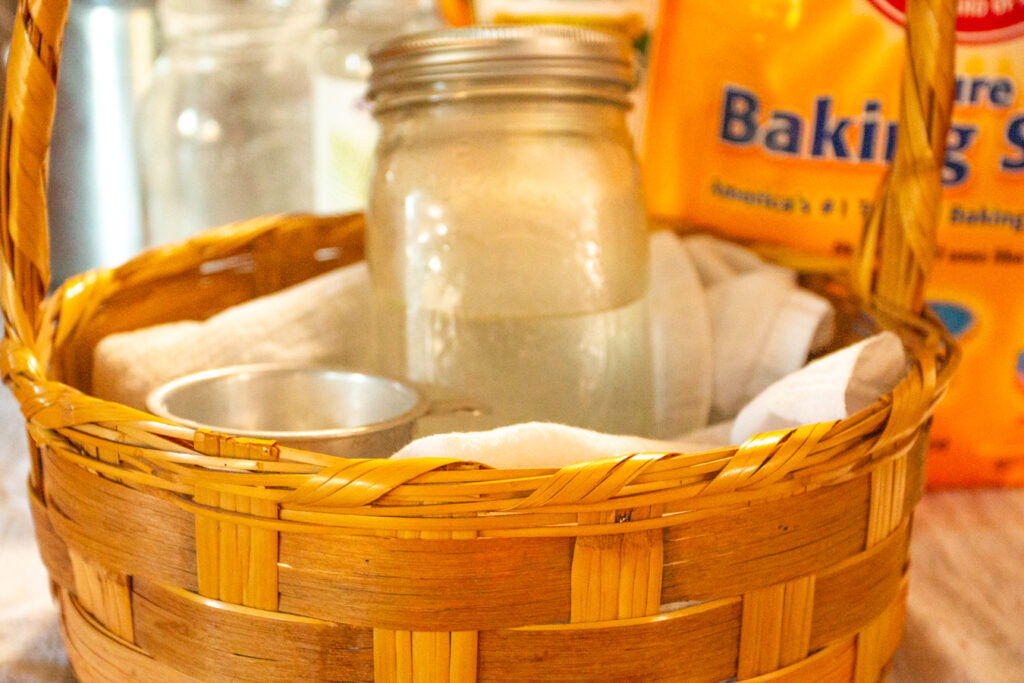
Laundry has always been the bane of my existence. It is literally the chore that will never be done because it just keeps appearing every day. However, with this DIY Fabric Softener, I have found that it really helps make the process a bit more pleasant and gives me comfort that it is not bringing more toxins into the home.
When you have a busy schedule, making your own laundry products seems a little bit out of the question. While laundry rarely ever has anything to do with your treasured, family bonding memories, everyone in your house will appreciate having their clothes fresh and clean. (Even if they take it for granted, it is in there somewhere!)
While laundry can be a complete drag, I have found that doing one load every day keeps it mostly under control. (I completely sympathize with old fashioned women who only had a few articles of clothing for each person. It seems like it would be easier to keep washed!) Whip up a little bit of this fabric softener to bring a small whiff of delight back into the normal and the mundane.
Since these ingredients do not go bad and require very little processing, you can easily make enough for the whole year in one afternoon. It is a fairly simple solution. Or, you can re-mix it as you go, since it only takes a minute. It is up to you.
You can make this as scented or as unscented as you like because the recipe is somewhat adjustable. As for me, I like the faintest fresh scent in my laundry, and otherwise leaving it unscented. But, if you prefer a stronger scent, you can adjust it however you’d like.
I have found that natural cleaning products are very simple to make (without harsh chemicals!) and easy on the wallet because the ingredients are cheap and abundant. At just pennies on the dollar, it is a money saver without taking much of your time. Triple-win!
A tremendously helpful addition to your laundry room, you can tweak this to your fragrance preferences and call it good.
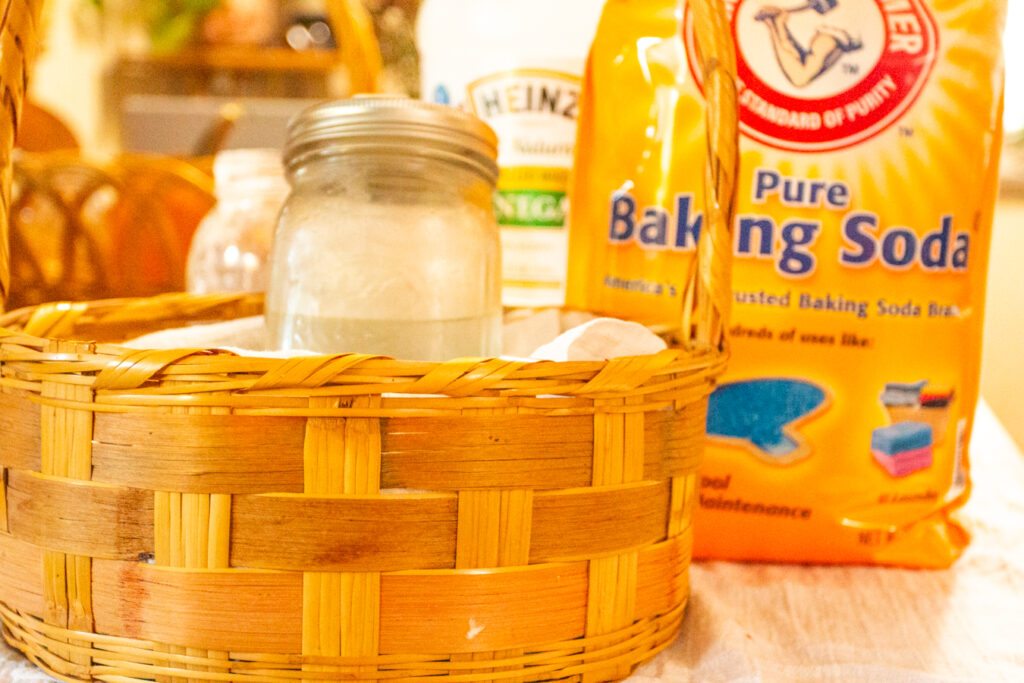
FABRIC SOFTENER TIPS:
- If you are new to homemade laundry products, you will find that it is cheap, easy, and nontoxic.
- People have created hundreds of recipes for laundry detergent and fabric softeners. (Some have Borax, some have Super Washing Soda, etc.) Many people make powdered mixtures, and many make liquid because it is so versatile. If you are interested in this recipe, it is very friendly towards tweaking until you get it exactly to your liking.
- If you prefer, you can skip the liquids and make a powdered laundry booster instead. Many people prefer this and simply add a scoop of powder to the washing machine instead of pouring a liquid.
- When adding baking soda to laundry, make sure that you are using a warm or hot rinse cycle so the baking soda does not clump into the folds of your clothing.
- Check out these DIYs as well: Hand Soap, Dish Detergent, and All Purpose Spray.
- If you want to dive into DIY cleaners, keep these simple ingredients in your pantry for quick solutions: coarse salt, white vinegar, lemon juice, baking soda, olive oil, hydrogen peroxide, castile soap, apple cider vinegar, rubbing alcohol, a microfiber cloth (for water only), and of course, an empty spray bottle!
FABRIC SOFTENER FAQ:
Why does vinegar freshen clothes?
If your washing machine can handle vinegar, it is a great addition to your laundry routine. Not only is vinegar a natural cleaner, but it is an odor eliminator as well as an antifungal, anti-mold, and anti-mildew agent. It will not only clean your laundry, but it will also dissolve soap residue, so your clothes will be very soft.
Why does Baking Soda make a good fabric softener?
Baking Soda will neutralize the ph levels in the water, gently softening your clothing.
What does Epsom Salts do for clothing?
Epsom salt is a magnesium, sulfur, and oxygen compound that naturally removes stains and softens fabric.
What natural products should I keep on hand for homemade laundry?
- Fels Naptha bar of soap
- Vinegar
- Baking Soda
- Epsom Salts
- Sea Salts
- Essential Oils
- Vegetable Glycerin
Are homemade laundry products cheaper?
Ingredients like Borax, White Vinegar, Baking Soda, and Epsom salts require an upfront purchase and then last a really long time.
How do I keep clothes smelling fresh with natural laundry products?
- Make sure that your washing machine is clean. You can do a rinse with no clothes in it, only a cup or so of vinegar, to eliminate any buildup in the machine.
- If you are experiencing stinky bedding or towels in spite of washing them, soak them for 30 minutes in hot water and vinegar to eliminate mildew and bacteria. Wash again thoroughly when the rinse is finished.
- To freshen up something that is proving difficult to clean, you can individually add a scoop of Epsom Salts, Baking Soda, or Vinegar to your laundry as a booster.
- If clothes are coming out of your dryer damp, try hanging them outside in the sunshine to thoroughly dry them out and eliminate mildew. Also, you can use a drying rack inside the house if you don’t have a way to hang clothes outside.
- Don’t fill your washing machine too full. Everything comes out less clean if you pack the clothes in without leaving room for agitation because the water and soap are unable to reach the middle.
Will Essential Oils damage my washing machine?
Essential Oils are added in such small quantities that it is not powerful enough to damage the machine.
Why are my towels rough when they dry?
It is possible that there is soap residue that has dried on your towels, leaving them feeling crunchy. Try using a natural fabric softener of Vinegar, Baking Soda, and Epsom Salts to soften your towels again.
How do I make my laundry smell good after washing?
It is counter intuitive, but the more soap you add, the less likely it is to completely rinse out, leaving an invisible residue on your clothes. Use less detergent and add a natural fabric softener of Epsom Salts, Vinegar, and Baking Soda. (Bonus: your detergent will last that much longer, too!)
What other Essential Oil blends can I use in my fabric softener?
Basically, any combination of any of these that you like will make your laundry smell amazing:
- Basil
- Bergamot
- Eucalyptus
- Geranium
- Jasmine
- Lavender
- Lemon
- Lily
- Orange
- Rose
- Rosemary
- Peppermint
- Tea Tree
- Tuberose
A gentle note for homes with furry friends: some essential oils, including tea tree, eucalyptus, peppermint and citrus, can be harmful to cats and dogs, so please keep the oils and your finished softener out of their reach, and check with your vet before using essential oils around your pets.
FABRIC SOFTENER INGREDIENTS:
- 1 C. Epsom Salt
- 1/4 C. Baking Soda
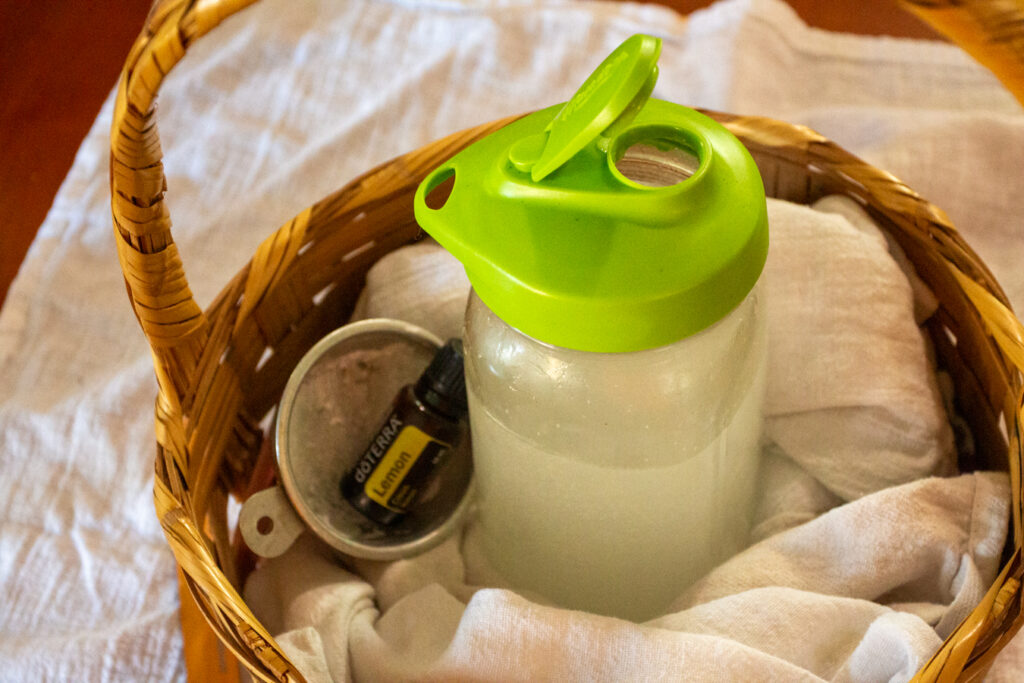
- 10 drops Lemon Essential Oils
- 1 C. Water – I filter mine in a Berkey
- 1 C. White Vinegar
- 1 Tbsp. Vegetable Glycerin
DIY FABRIC SOFTENER TOOLS:
- Small to medium sized bowl
- Large stainless steel bowl
- Spoon for lightly stirring/folding
- Mason jar for storing fabric softener
- Wide Mouth Funnel
- A scoop or spoon that holds a few Tablespoons. However, you may have to experiment to decide how much you want to add to your laundry at one time. Some people prefer to add more or less than others.
- A pour-friendly Mason Jar lid (this one is for wide mouth jars).
HOW TO MAKE DIY FABRIC SOFTENER:
Check your washing machine manual to ensure that this combination will work with your type of washing machine. If your machine prohibits the use of white vinegar, you may want to consider making a variation of this that complies with your equipment.
- In the small to medium sized bowl, combine Epsom Salt and Baking Soda. Use spoon to gently combine and fold until incorporated.
- In the large bowl, mix the Water, Vinegar, Vegetable Glycerin, and Essential Oils.
- One small scoop at a time, add dry mix to the large bowl. It will fizz due to the baking soda and vinegar chemical reaction. (Make sure your bowl is big enough to accommodate. Use a stock pot if you have to.)
- Stir until fully combined. The Salt and Baking Soda should be fairly dissolved.
- When the fizzing has subsided, add the liquid into a Mason jar.
- Fill a small scoop and add to your laundry.
HOW TO USE:
- When using a hot or warm rinse cycle, add a scoop of DIY Fabric Softener after the laundry detergent. It should fully dissolve in the water.
DIY Fabric Softener
Equipment
- Small to medium sized bowl
- Large stainless steel bowl
- Spoon for lightly stirring/folding
- Mason jar for storing fabric softener
- A scoop or spoon that holds a few Tablespoons
- Wide mouth funnel
Ingredients
- 1 C. Epsom Salt
- 1/4 C. Baking Soda
- 10 drops Lemon Essential Oils
- 1 C. Water
- 1 C. White Vinegar
- 1 Tbsp. Vegetable Glycerin
Instructions
- Check your washing machine manual to ensure that this combination will work with your type of washing machine. If your machine prohibits the use of white vinegar, you may want to consider making a variation of this that complies with your equipment.
- In the small to medium sized bowl, combine Epsom Salt and Baking Soda. Use spoon to gently combine and fold until incorporated.
- In the large bowl, mix the Water, Vinegar, Vegetable Glycerin, and Essential Oils.
- One small scoop at a time, add dry mix to the large bowl. It will fizz due to the baking soda and vinegar chemical reaction. (Make sure your bowl is big enough to accommodate. Use a stock pot if you have to.)
- Stir until fully combined. The Salt and Baking Soda should be fairly dissolved.
- When the fizzing has subsided, add the liquid into a Mason jar.
- When using a hot or warm rinse cycle, add a scoop of DIY Fabric Softener after the laundry detergent. It should fully dissolve in the water.
YOU MAY ALSO ENJOY…
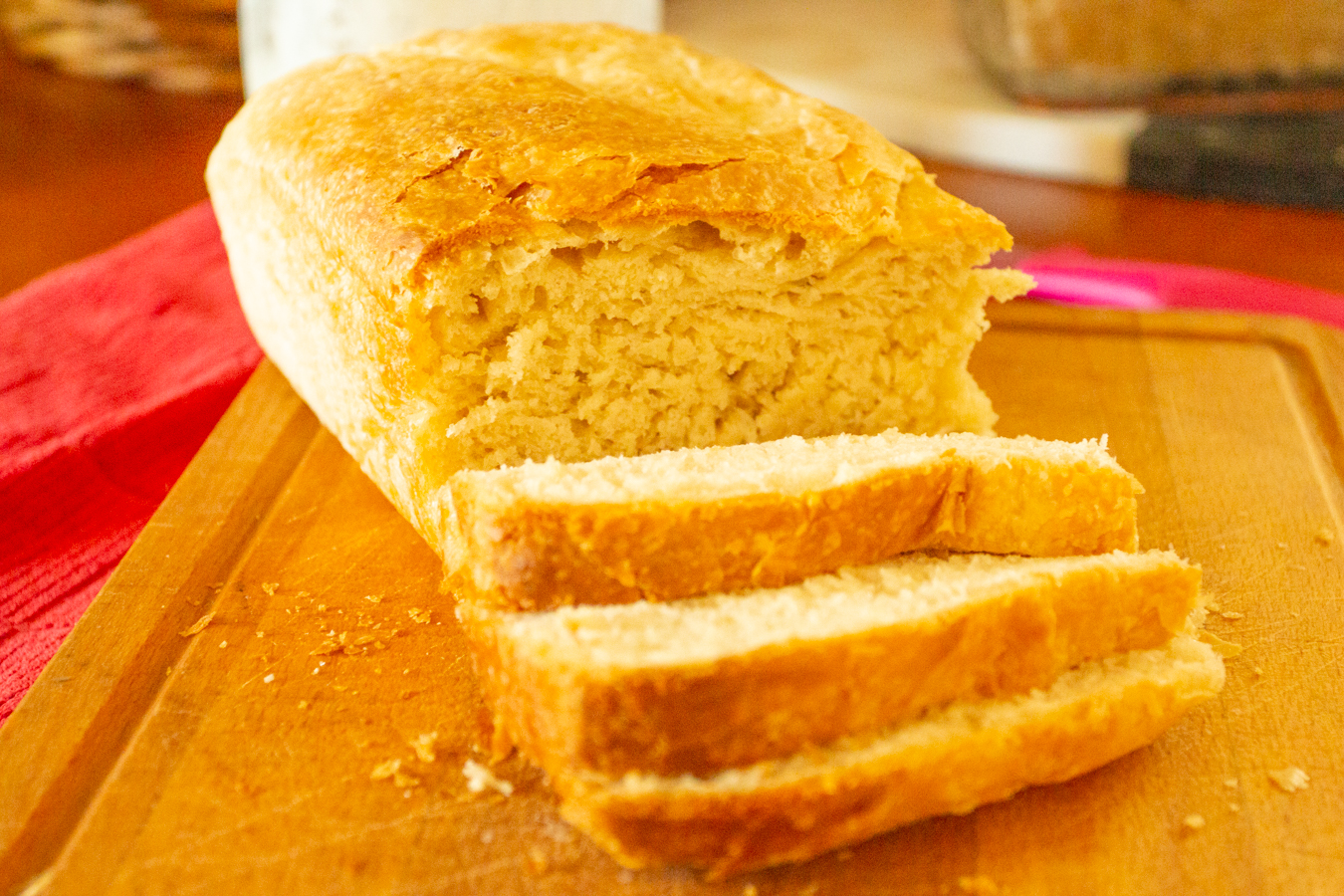
- Homemade Sourdough Bread – I began my foray into fresh sourdough bread about five years ago. I have not looked back! I have made many beautiful and ugly sourdough of all types – multigrain, gluten-free, porridge bread, focaccia, pizza crust, pie crust, and so many other things. The process has taught me how to make a good crumb with wild yeast, and I am still learning!
- Sourdough Lemon Blackberry Bundt Cake – This moist, sweet, fruit laden sourdough bundt cake is easy to make. A beautiful glaze on the outside with a delectable interior full of lemon and berries.
- Pickled Peppers with Dill – Pop a jar of homemade pickled peppers to accent main dishes, add to soup, salsa, or pico de gallo. Delicious! This easy recipe, based on my crunchy dill pickle recipe, will preserve peppers for your pantry.
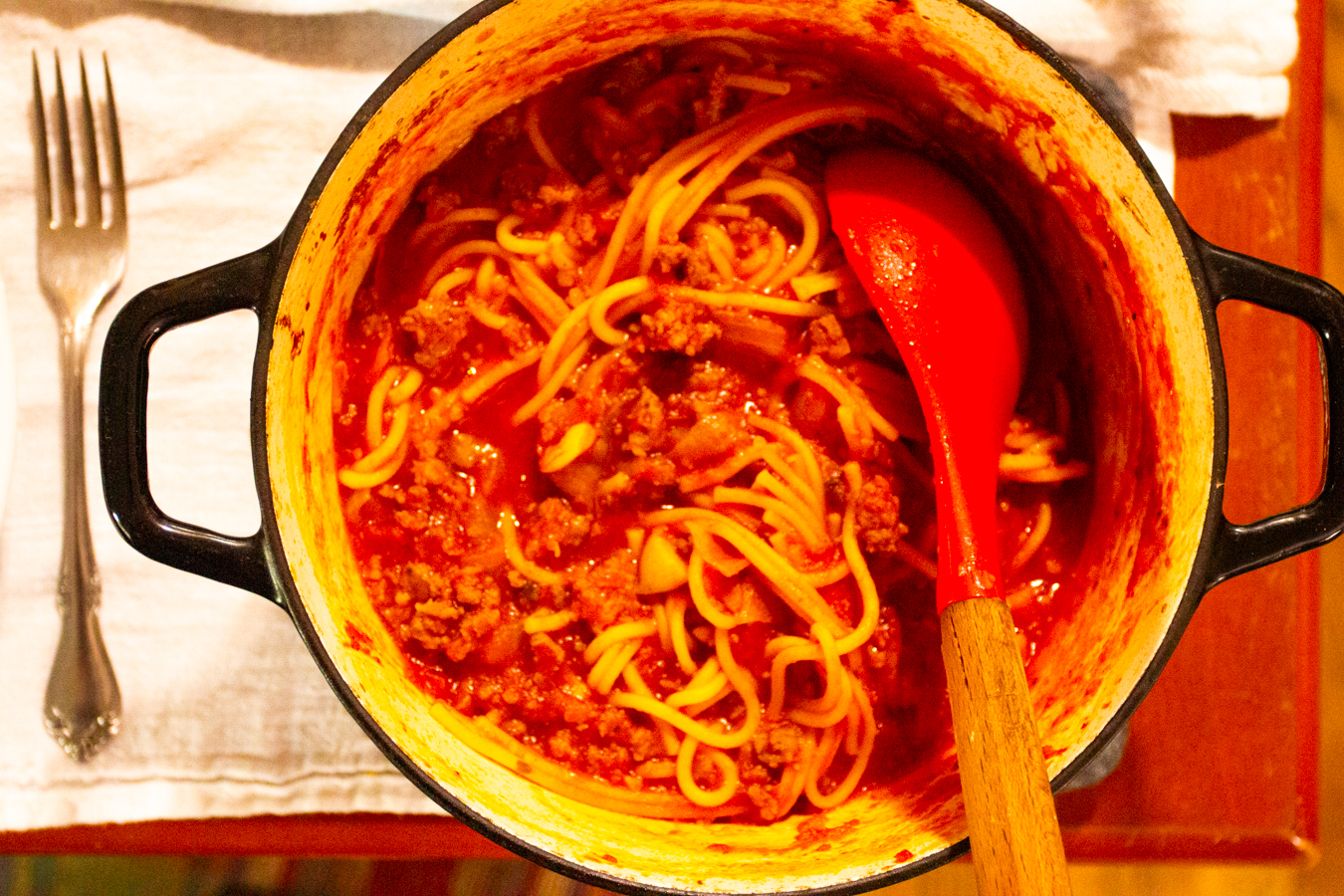
- One Pot Spaghetti – Spaghetti is already a very easy dish. However, this recipe is hands free, does not require you to babysit it, and there are fewer dishes to wash afterwards.
- Soft Sourdough Bread – There’s nothing better than a light, fluffy, soft sourdough bread. A beautiful thin crust on the outside and light on the inside, perfect for sandwiches. This recipe is golden.

2 Comments