

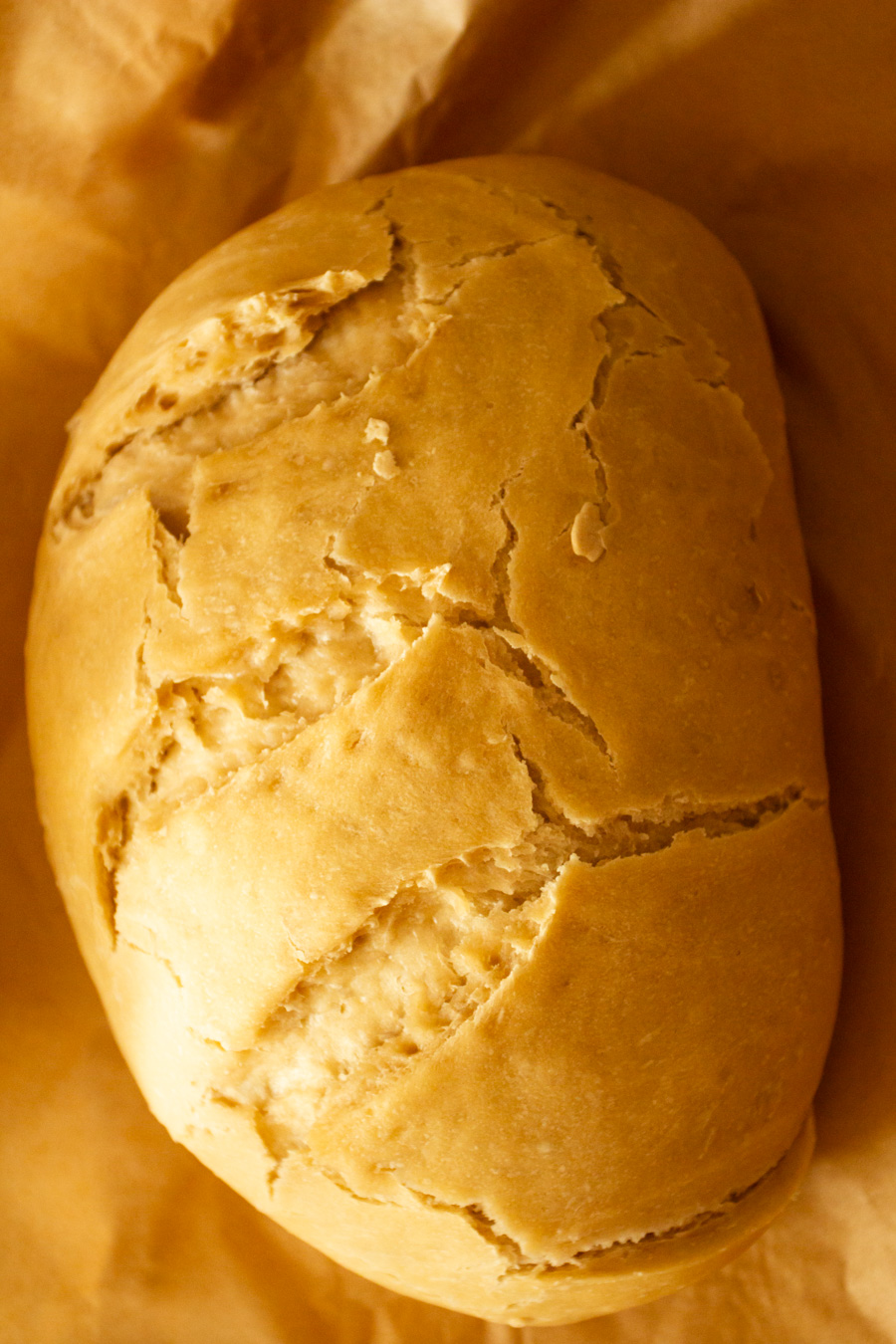
“The fire was on, and a flushed and triumphant Story Girl was taking a loaf of bread from the oven.”
— The Story Girl, L. M. Montgomery, Chapter XIII
This letter may contain affiliate links. As an Amazon Associate I earn from qualifying purchases, at no extra cost to you.
Jump to RecipeI began my foray into fresh sourdough bread about five years ago. I have not looked back! I have made many beautiful and ugly sourdough of all types – multigrain, gluten-free, porridge bread, focaccia, pizza crust, pie crust, and so many other things. The process has taught me how to make a good crumb with wild yeast, and I am still learning!
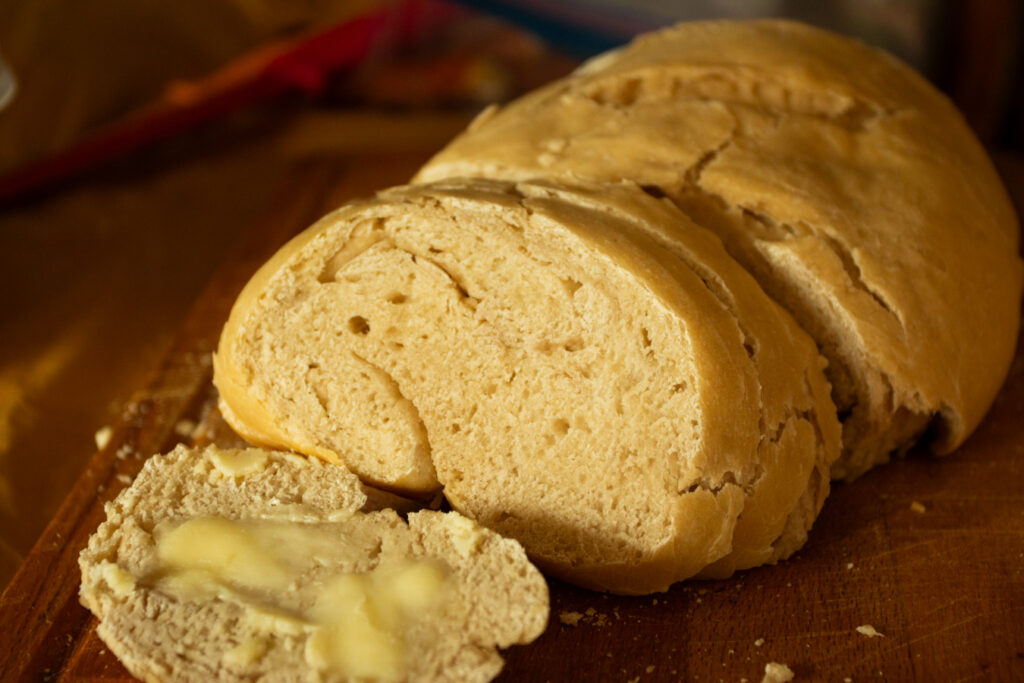
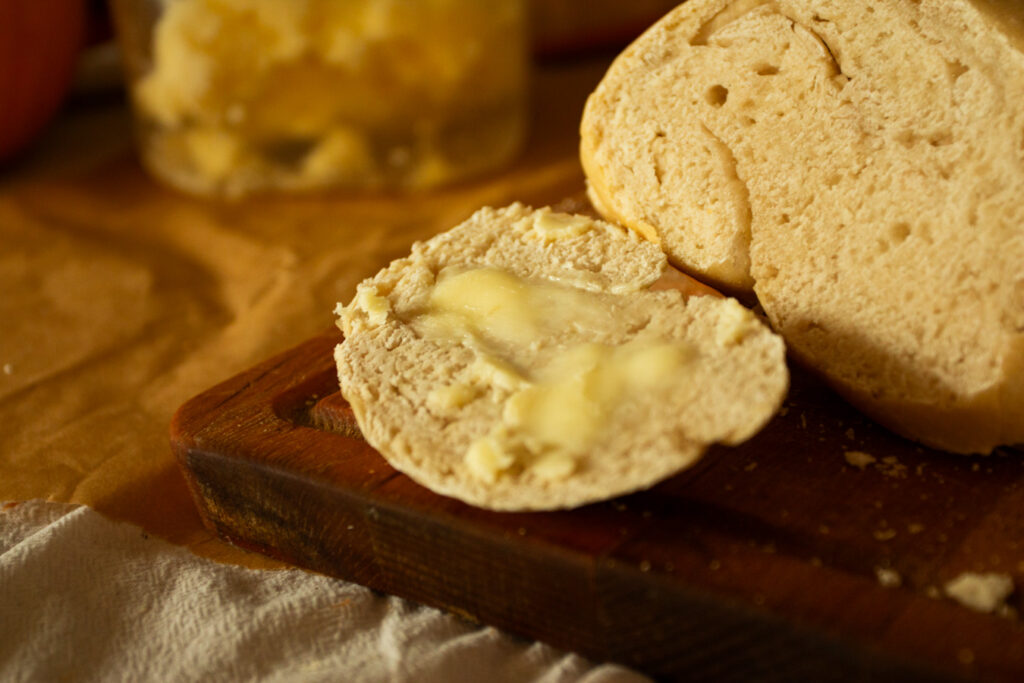
There is nothing like the smell of bread baking – or better yet, slathering some delicious homemade butter on a piece of sourdough toast.
When you have a busy schedule, it may seem unfathomable to make your own loaf of bread. However, when you get into the routine, most of the process of bread baking is just waiting for it to do its thing. You can walk by your big mixing bowl on your way to another task and quickly stretch-and-fold or shape your loaf while you are on autopilot.
Sourdough does not have to be complicated or a complete time suck. In fact, Homesteading Family introduced me to a new idea that I may be implementing soon: preparing all of your loaves for the week at one time and keeping the dough in the fridge, ready to bake. (Check out their video, “Easy Fresh Bread Every Night in 5 minutes.“)
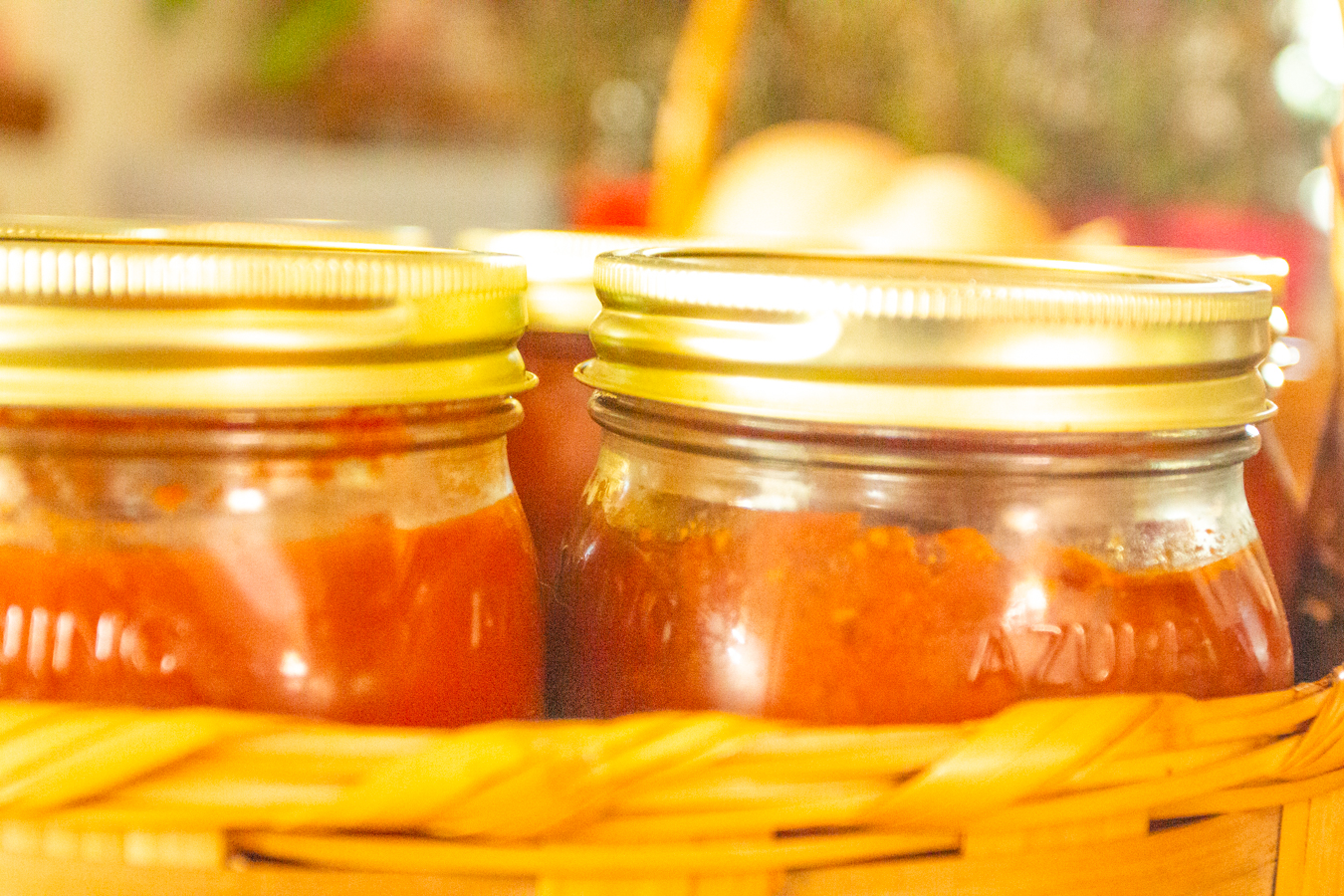
I am basically thrilled to see and smell the bread rising and canning jars popping – I am kind of like a little kid in that way! These amazing tiny happenings are clues that your work is paying off and everything is working. The bread is so delicious, and you just can’t replicate it with store bought bread, or even a homemade yeast bread.
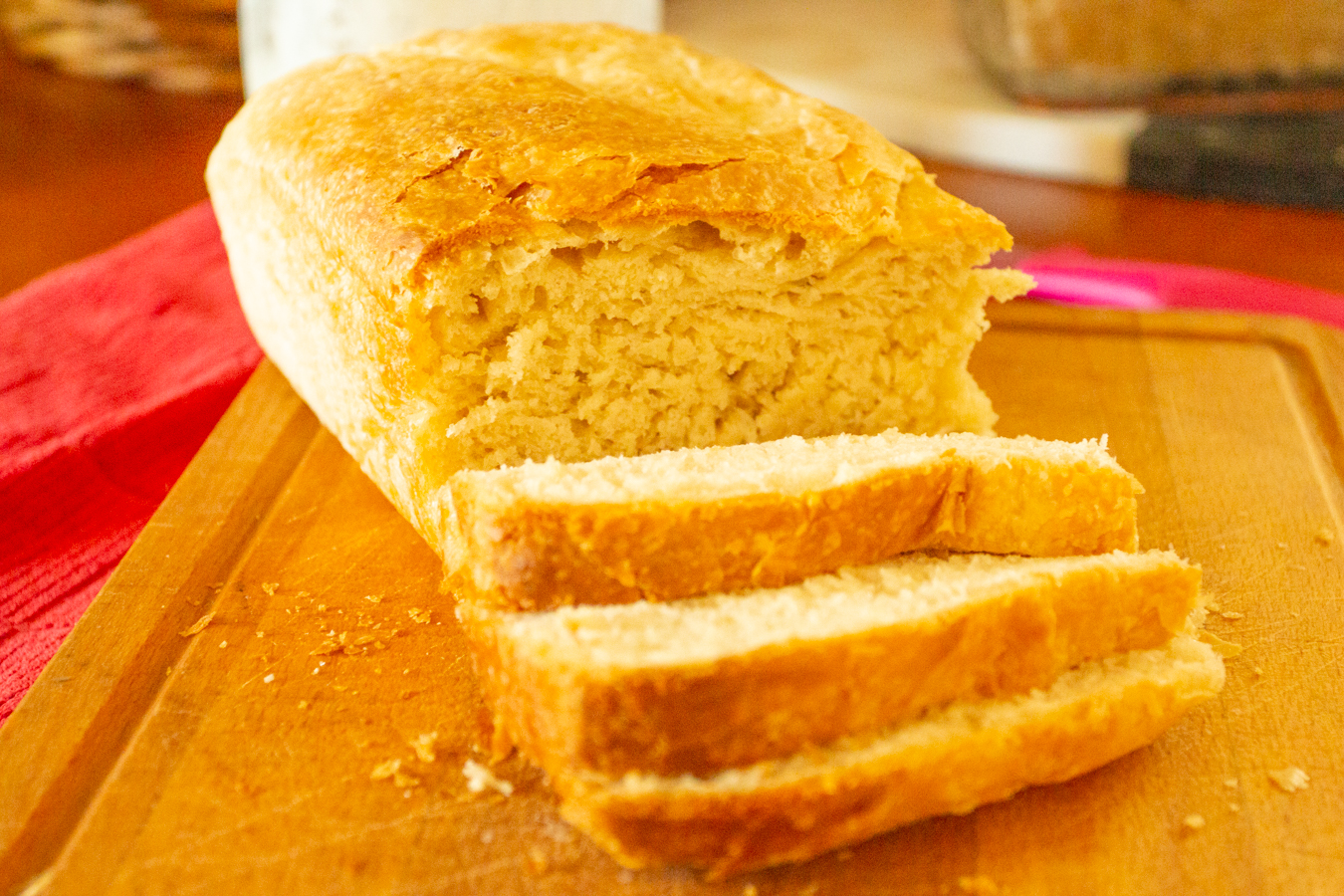
A wholesome, hearty bread, you can eat it with a little butter, soup, salad, smashed sandwich, or french toast. So delicious!
SOURDOUGH BREAD TIPS:
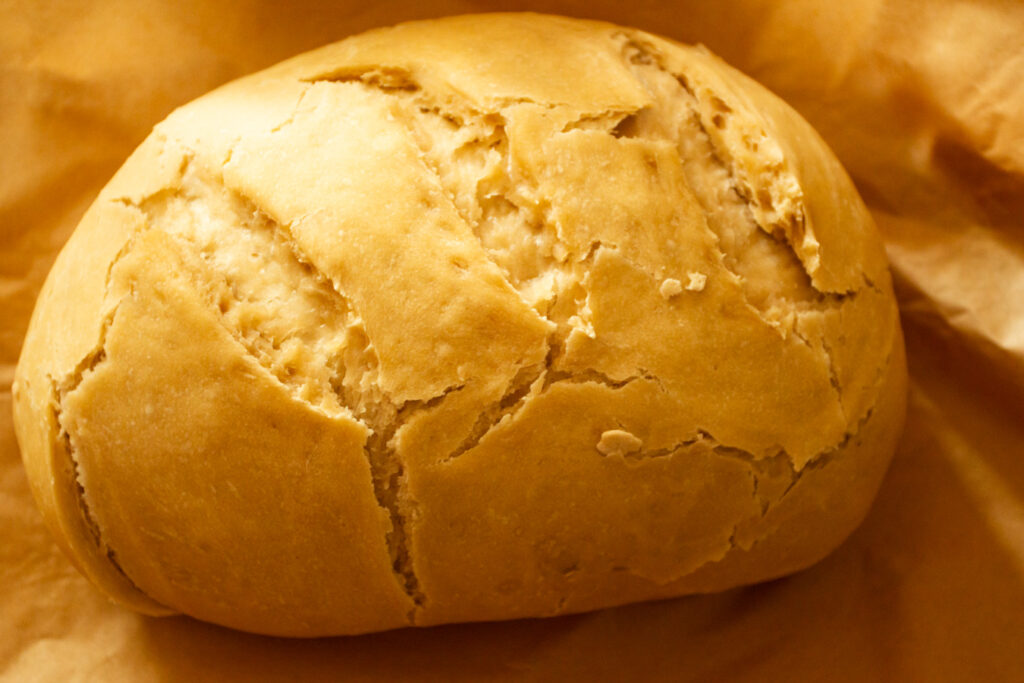
- Be patient with your dough and with yourself. If you are not hit with a massive stroke of beginner’s luck, you may make some ugly loaves of bread. It is OK! Allow the sourdough to do its thing and keep pressing on until you make a loaf that you will admit that you made to your friends and neighbors.
- The biggest secret to that classic sourdough flavor is the salt. If you forget the salt, or don’t use very much, your bread will taste, well, sour.
- Experiment with different sourdough recipes. I have yet to try Ruthann Zimmerman’s (I wrote it down!), but I have tried Farmhouse on Boone’s Easy No-Knead Sourdough Bread. It worked really well. I have made Venison for Dinner’s recipe as well as the King Arthur Rustic Sourdough recipe. I have also tried many recipes for focaccia, pizza crust, wheat-free porridge bread, and others. Don’t be afraid to experiment and find what works best for you. Your particular starter might respond better to one recipe than another.
- With sourdough, you will definitely want to bake it in a container with a lid, like a hot dutch oven, rather than a loaf pan. The heat will bake the bread in its own little steam sauna. This makes a difference as well. However, depending on the type of bread you are baking, many people make sandwich bread in loaf pans and it works out just fine. Don’t be afraid to experiment.
HOMEMADE SOURDOUGH FAQ:
What is in Sourdough Bread?
Sourdough bread is made of a starter made of fermented wheat and water that contain wild yeast.
How do you get a sourdough starter?
Mix equal parts unbleached all purpose flour and filtered water. Every day, take a little bit out (this is called sourdough discard) and replace the amount you removed with flour and water. It will be ready within about a week. You don’t have to throw your sourdough discard away; you can throw it into pancakes, sourdough banana bread, or many other baked goods.
What equipment do I need to make sourdough bread?
If you have ever watched Pasta Grannies, you will know that the only thing you really NEED are a mixing bowl, wooden spoon, and an oven to bake it in. However, there are many tools that make your sourdough journey a little easier: parchment paper, a dutch oven with a lid, a banneton basket for proofing, lamme or razor, and a dough scraper.
Can I pause the fermentation of my sourdough starter?
You can easily store your starter in the refrigerator to slow down the fermentation process. This is especially helpful if you are not planning on baking bread every day. It reduces the number of times you will need to feed it. Sourdough starters can last a very long time in the refrigerator.
Does the room temperature of your kitchen affect the way the sourdough rises?
The colder the room is, the slower the sourdough will rise. In the winter, many people put their sourdough on top of an appliance that is somewhat warm (but not too warm!), or in an area that is not too drafty. In the summer, make sure it is not too close to a cold air return.
Do I need a stand mixer to make sourdough bread?
A stand mixer is an optional accessory for convenience. Many people pop their sourdough into a stand mixer to free up their hands, but many also stir it the old fashioned way with a spoon and then knead it by hand. (I have done it both ways.) Whether you use a stand mixer or stir by hand is up to you. Many people have a strong preference, but you can produce a beautiful, delicious loaf of bread both ways.
Is sourdough better for you than regular bread?
Grains are covered in phytic acid, which is very hard for your body to digest. Sourdough processes the phytic acid through the natural fermentation process and makes it more digestible to most people. However, while many people find sourdough to be more agreeable to their digestive system than regular bread, those with celiac or IBS may still have trouble processing sourdough. It depends on the reason for the sensitivity.
Is it OK to eat Sourdough Bread every day?
The nutritional content will vary based on the grain you use. If your bread is made of home ground wheat berries, it will have a different nutritional content than if you used a store bought bleached white flour. (Many people make sourdough out of Buckwheat, Einkorn, Multi-grain whole wheat, Rye, and many other grain options, too.) However, while the nutritional content will wildly vary based on your flour, most Sourdough will have some quantity of vitamin B12, magnesium, phosphorous, folate, iron, and zinc, amongst other nutrients.
Is Sourdough good for your gut?
Many people find sourdough to be more digestible than other bread products. Sourdough is a prebiotic, which feeds the healthy gut flora. Sourdough also does not raise your blood sugar like a conventional loaf of store bought white bread.
INGREDIENTS:
- 1 cup (227g) Active Sourdough Starter
- 1 1/2 cups (340g) Filtered Water or Whey (I use a Berkey to filter my water)
- I Tbsp. (17g) salt
- 5 cups (600g) Unbleached All-Purpose Flour
TOOLS:
- Stand Mixer with Dough Hook (optional)
- Mixing bowl
- Wooden spoon
- Parchment paper
- Dutch oven with a lid
- Banneton basket for proofing
- Lame or razor
HOW TO MAKE SOURDOUGH BREAD:
- Feed your starter ahead of making this recipe.
- Combine starter, water or whey, and salt.
- Add flour, one cup at a time.
- Knead to form a ball of dough. (It will be dense.) You can either stir by hand or use a KitchenAid mixer with the dough hook.
- Don’t forget to feed your starter again before putting it away.
- Cover with a towel. Allow the dough to rest overnight or until it has doubled in size. Depending on the temperature of your starter, it will take longer to double. (The colder the starter, the greater the amount of time.) If desired, you can transfer it to the banneton proofing basket at this point.
- As the dough rises, knead it with your hands two or three times, not closer together than 3 hours or so. If the dough is too sticky, wet your hands with water for easier handling.
- After doubling, shape your loaf with your hands. Use the lamme or razor to slash the top to make a design.
- Preheat your oven to 425 F.
- Line your dutch oven with parchment paper. Place your sourdough in the dutch oven.
- Bake at 425 F for an hour or until golden brown.
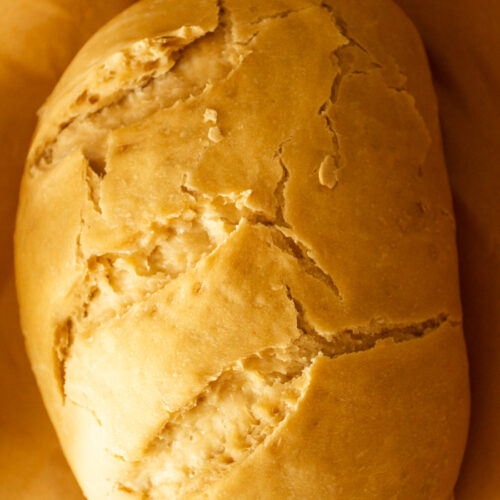
Sourdough Bread
Equipment
- Mixing Bowl
- Wooden Spoon
- Banneton proofing basket
- Lamme or razor blade
- Parchment Paper
- Dutch Oven with lid
- Bench Knife/Dough Scraper
- Stand Mixer with Dough Hook
Ingredients
- 1 cup Active Sourdough Starter (227g)
- 1 1/2 cups Filtered Water or Whey (340g)
- 1 Tbsp. Salt (17g)
- 5 cups Unbleached All-Purpose Flour (600g)
Instructions
- Feed your starter ahead of making this recipe.
- Combine starter, water or whey, and salt.
- Add flour, one cup at a time.
- Knead to form a ball of dough. (It will be dense.) You can either stir by hand or use a KitchenAid mixer with the dough hook.
- Don’t forget to feed your starter again before putting it away.
- Cover with a towel. Allow the dough to rest overnight or until it has doubled in size. Depending on the temperature of your starter, it will take longer to double. (The colder the starter, the greater the amount of time.) If desired, you can transfer it to the banneton proofing basket at this point.
- As the dough rises, knead it with your hands two or three times, not closer together than 3 hours or so. If the dough is too sticky, wet your hands with water for easier handling.
- After doubling, shape your loaf with your hands. Use the lamme or razor to slash the top to make a design.
- Preheat your oven to 425 F.
- Line your dutch oven with parchment paper. Place your sourdough in the dutch oven.
- Bake at 425 F for an hour or until golden brown.
HOW TO SERVE:
There are so many delicious ways to eat sourdough bread. Here are just a few of the hundreds of ways to enjoy it:
- Sourdough toast
- Grilled cheese
- French toast
- Bread and butter

YOU MAY ALSO ENJOY…
- Sourdough Pie Crust – This recipe is buttery, flaky, and everything a pie crust should be. When you have a busy schedule, making your own pie crust seems like such an extra job. But if you are already making a pie, this crust is very easy to whip up while you are in baking mode.
- Bone Broth – The cornerstone of all soup recipes, timeless bone broth has a significant nutritional advantage over regular chicken broth. Now known for comfort, this broth is the foundation of healing, too.
- Canned Chicken – Did you know that you can pressure can chicken in jars? Freezing is a near-universal method of food preservation, especially for meat. However, as your freezer space fills up, and your freezer draws energy to keep food cold and fresh, there is another way to keep chicken for another day.
- Comforting Chicken Noodle SoupA beautiful golden broth with tender chicken and vegetables.
- Pressure Canned Soup – This home canned soup is a marriage between slow food and fast food. It is one of the closest things you will get to a home cooked meal that you can prepare in less than 10 minutes before dinner. This hack will save you tons of time.




7 Comments